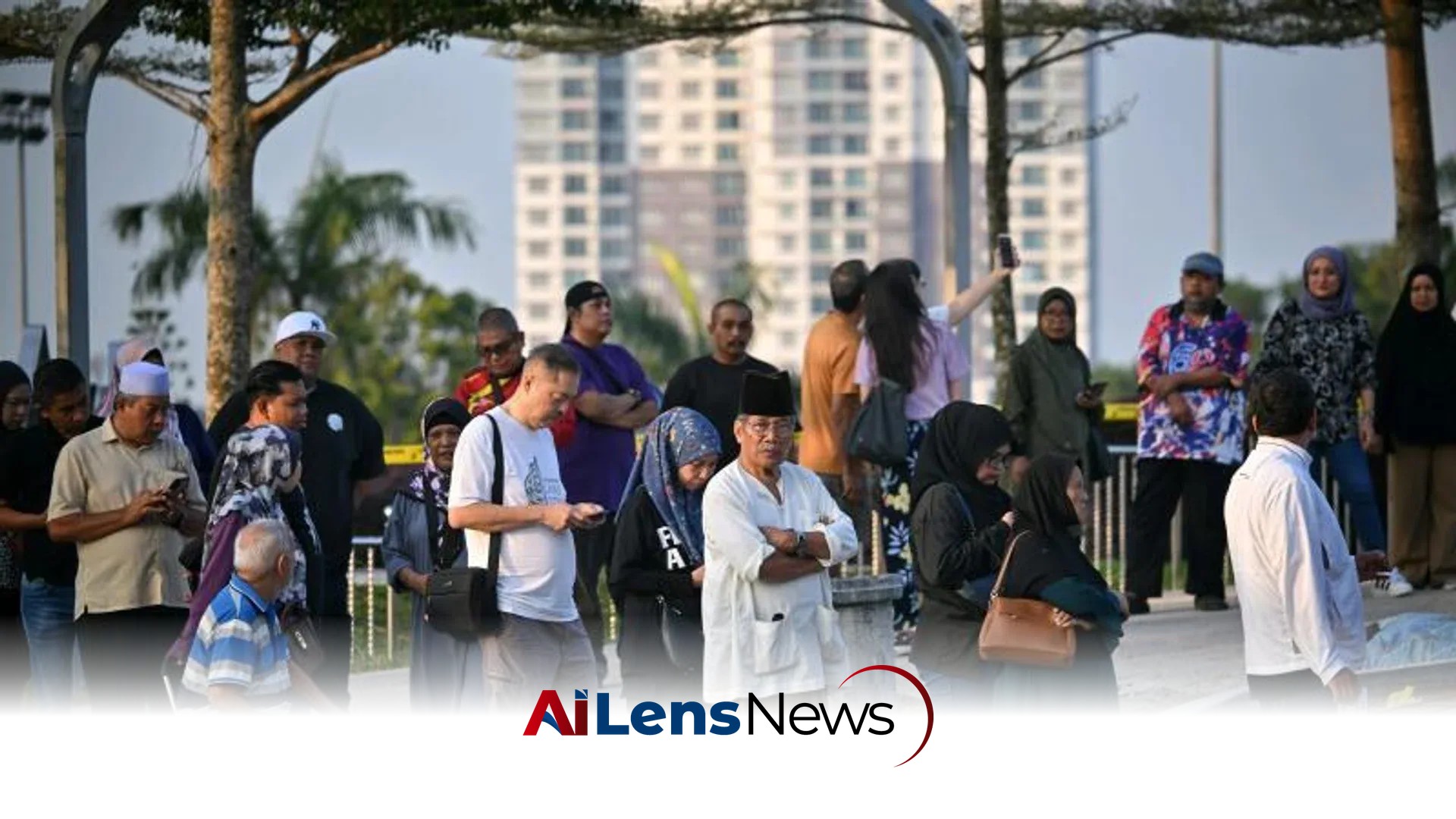


Voter turnout may surpass the 55% of the last Johor state election in 2022, indicating significant engagement in the electoral process.
Singapore, Singapore Jul 11, 2026 ALN: [JOHOR BAHRU] Johor’s state polls on Saturday (Jul) 11 will be closely watched for clues to Malaysia’s national political direction, with the next general election due to be called by February 2028. This election is particularly significant as it could provide insights into the shifting political sentiments within the state and reflect broader trends that may influence the upcoming general elections.
Polls opened at 8 am across the state’s 1,076 polling stations, where up to 2.7 million voters will pick their representatives from 172 candidates to fill Johor’s 56 constituencies. The stakes are high, as Johor is a key battleground state that has historically played a pivotal role in Malaysian politics, often swinging between different political parties and coalitions.
So far, there are signs that voter turnout will be higher than the 55 per cent at the last Johor state election in 2022. As at 11 am, the turnout was 26.4 per cent, up from 21.3 per cent at the same hour in 2022. This increase in voter engagement could signal a growing political awareness among the electorate, reflecting a desire for change or continuity depending on how the results unfold.
The Election Commission is projecting that seven in 10 eligible voters will cast their ballots, indicating a robust interest in the electoral process. Reports of sold-out train and bus tickets to Johor ahead of polling day suggest that many voters are making a concerted effort to participate, even if it means traveling from afar. This level of engagement could be attributed to various factors, including heightened political awareness, the impact of previous elections, and the desire for representation that aligns with voters' aspirations.
Larkin voter Ally Chang was first in line at Tanjung Puteri Primary School along Jalan Dato Jaafar to dip her index finger in purple ink at the ballot box. She had been queuing since 7 am. “My hope is that Johor will continue to prosper,” said the 44-year-old accountant. Her sentiment reflects a common aspiration among voters who seek stability and progress in their state’s governance.
Second in the queue was retiree Md Sis Talkam, 79, who fussed about being made to wait under the morning sun. “Usually they open the voting centre early and I’m done by 7.30 am. I pity the elderly who have to wait and dry themselves out in the hot sun.” This highlights the logistical challenges that can affect voter turnout, particularly for older citizens who may face mobility issues or health concerns.
However, over in Muar, heavy morning rain has dampened voter turnout, with Simpang Jeram and Bentayan constituencies recording the lowest turnout numbers across Johor. Weather conditions can significantly impact voter participation, and the contrasting experiences of different constituencies may lead to varied electoral outcomes.
Cross-border traffic from Singapore into Johor Bahru on Friday, the day before Polling Day, was moderate. Congestion across the Causeway was minimal for a Friday night, with longer queues for cars. South-bound traffic on the North-South Expressway was reportedly congested as voters living in Klang Valley head back to their hometown after work to cast their ballots. This movement underscores the importance of Johor’s diaspora, many of whom return to vote, reflecting their connection to their home state and the significance they place on participating in the electoral process.
Johorean Chong Li Yun described traffic as “smooth like butter” while riding pillion across the border on her partner’s motorcycle. At around 9 pm on Friday, some 200 Johoreans returning from Singapore gathered at JB Sentral to board coaches bound for various towns. This organized movement of voters illustrates the communal spirit and collective responsibility many Johoreans feel towards exercising their democratic rights.
In their last sprint before Polling Day, parties fell back on familiar political rhetoric. Campaign flashpoints included renewed calls for jailed former prime minister Najib Razak’s release and racial issues sparked by Johor caretaker menteri besar Onn Hafiz’s pledge not to work with the Chinese-majority Democratic Action Party (DAP) if Barisan Nasional (BN) forms the next state government in Johor. The political landscape in Johor is complex, with various parties vying for influence and attempting to appeal to different segments of the electorate.
Prime Minister Anwar Ibrahim, during a campaign event, called on voters to come home to vote, emphasizing that the votes cast represent the “power of the people of Johor.” He urged voters not to compromise on their dignity, stating, “No sakau (stealing) in this nation!” His message resonates with many who are concerned about governance and integrity in leadership, especially in light of past political scandals that have shaken public trust.
As the polls unfold, the implications of voter turnout will be significant for the contenders, shaping the political landscape of Johor and potentially influencing the national elections ahead. A higher voter turnout could indicate a mandate for change, while a lower turnout might suggest apathy or satisfaction with the status quo. The results of this election will not only determine the immediate political future of Johor but may also set the tone for the broader national discourse leading into the next general election.
In conclusion, the Johor state polls are a critical event in Malaysia's political calendar, reflecting the dynamic nature of its democracy. The increased voter turnout, the logistical challenges faced by voters, and the political narratives being pushed by various parties all contribute to a complex electoral environment. As Malaysia approaches its next general election, the outcomes of this state poll will likely reverberate throughout the political landscape, influencing strategies, alliances, and the overall direction of governance in the country.
To learn more about the latest developments in Elections, stay updated with our exclusive reports and analyses on AiLensNews.

