

Saudi Arabia's Ministry of Foreign Affairs denounces Iran's destabilizing actions, emphasizing threats to regional security and violations of international law.
Riyadh, Saudi Arabia Jul 13, 2026 ALN: RIYADH — The Ministry of Foreign Affairs expressed Saudi Arabia's strongest condemnation of Iran's continued destabilizing behavior, describing it as a threat to the region's security and stability and a violation of the principles of international law.
In a statement issued on Sunday, the ministry said Iran's repeated attacks on commercial vessels violate the United Nations Charter, the Charter of the Organization of Islamic Cooperation, and the principles of good neighborliness. These assertions are rooted in a long-standing concern within the Gulf Cooperation Council (GCC) regarding Iran's military and paramilitary activities that have been perceived as aggressive and expansionist.
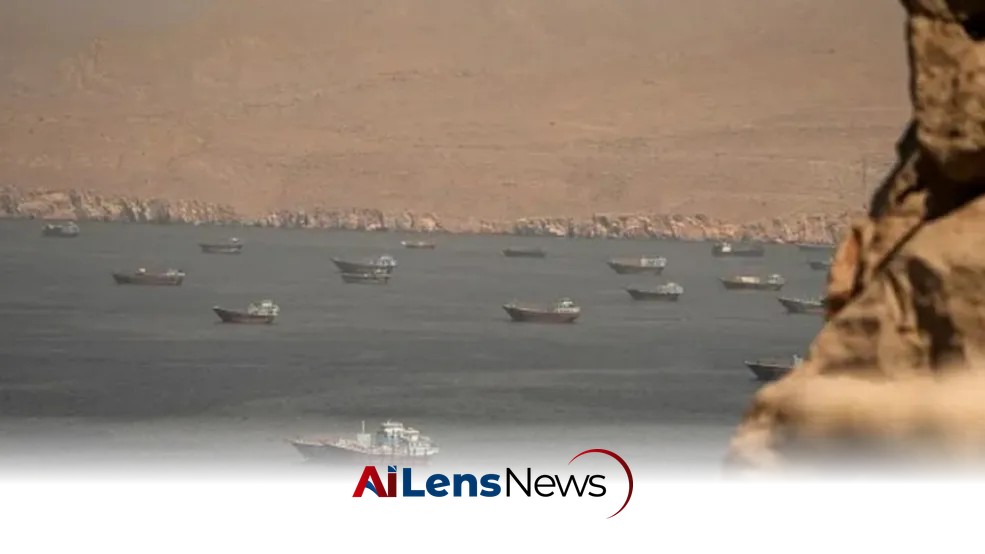
The Kingdom stressed that these attacks threaten maritime security and freedom of navigation. The Strait of Hormuz, a critical chokepoint for global oil shipments, has been a flashpoint for tensions, with Iran having previously threatened to close the strait in response to sanctions and military pressures from the United States and its allies. The implications of such threats extend beyond the immediate region, as any disruption in this vital waterway could lead to significant fluctuations in global oil prices and impact economies worldwide.
The statement also condemned Iran's continued hostile attacks targeting Kuwait, Bahrain, Qatar, the United Arab Emirates, Oman, and Jordan. This broader regional context highlights the ongoing geopolitical rivalry between Iran and Saudi Arabia, which has been characterized by proxy conflicts in countries like Yemen, Syria, and Iraq. Iran's support for various non-state actors and militias in these nations has raised alarms among its neighbors, prompting them to seek closer ties with Western powers, particularly the United States.
The Kingdom reiterated its categorical rejection of Iran's violations of the sovereignty of these brotherly states and its continued actions that threaten the security and stability of the region. This rejection is not merely a diplomatic stance; it reflects a deep-seated fear among Gulf states of Iranian influence and the potential for further destabilization in an already volatile region. The historical context of the Iran-Iraq War, the Gulf War, and the Arab Spring has left many Gulf states wary of Iran's intentions and capabilities.
In recent years, the Saudi government has taken a proactive approach in rallying regional and international support against perceived Iranian aggression. This has included forming alliances with other Gulf states and seeking partnerships with major powers like the United States and European nations. The Saudi-led coalition's military intervention in Yemen, aimed at countering Iranian-backed Houthi rebels, is one example of how the Kingdom has sought to curb Iranian influence in its immediate vicinity.
Moreover, the Saudi condemnation of Iran's actions is also tied to the broader narrative of sectarianism in the region. The Sunni-majority Kingdom sees itself as a leader of the Sunni Muslim world, while Shiite-majority Iran positions itself as a defender of Shiite interests. This sectarian divide has been exploited by various factions in conflicts across the Middle East, further complicating the geopolitical landscape.
The international community has also been involved in addressing these tensions, with various diplomatic efforts aimed at de-escalation. The Joint Comprehensive Plan of Action (JCPOA), commonly known as the Iran nuclear deal, was one such initiative that sought to limit Iran's nuclear capabilities in exchange for sanctions relief. However, the U.S. withdrawal from the agreement in 2018 and the subsequent escalation of hostilities have raised questions about the effectiveness of diplomatic measures in curbing Iran's regional ambitions.
As Saudi Arabia continues to voice its concerns over Iran's actions, the implications for regional security remain significant. The Kingdom's security strategy, which includes military readiness and intelligence cooperation with allies, is likely to be reinforced in light of these developments. Additionally, the rhetoric surrounding Iranian threats could lead to increased military spending among Gulf states, as they seek to bolster their defenses against potential attacks.
The ongoing tensions also have economic implications for the region. The Gulf Cooperation Council, which includes Saudi Arabia, the UAE, Qatar, Kuwait, Oman, and Bahrain, relies heavily on oil exports for revenue. Any disruption in maritime security or escalation of conflict could lead to increased insurance costs for shipping companies, higher prices for consumers, and potential long-term impacts on foreign investment in the region.
The geopolitical rivalry between Iran and Saudi Arabia is not a new phenomenon; it has historical roots that date back decades. The 1979 Iranian Revolution, which established the Islamic Republic of Iran, marked a significant turning point in Middle Eastern politics. The revolution not only transformed Iran's domestic landscape but also had profound implications for its foreign relations, particularly with neighboring countries, including Saudi Arabia, which viewed the new regime as a direct challenge to its authority and influence in the region.
In the years following the revolution, the Iran-Iraq War (1980-1988) further exacerbated tensions between the two nations. Saudi Arabia, along with other Gulf states, supported Iraq during this conflict, fearing the spread of Iran's revolutionary ideology. The aftermath of the war left both nations with deep-seated animosities, and the regional power dynamics continued to shift, especially with the U.S. invasion of Iraq in 2003. This invasion led to the dismantling of Saddam Hussein's regime, a long-time adversary of Iran, and allowed for increased Iranian influence in Iraq, alarming Saudi Arabia and its allies.
The Arab Spring, which began in late 2010, further complicated the regional landscape. The uprisings led to civil wars in several countries, including Syria and Yemen, where Iran and Saudi Arabia have supported opposing sides. In Syria, Iran has backed the government of Bashar al-Assad, while Saudi Arabia has supported various opposition groups. In Yemen, the Saudi-led coalition intervened to restore the internationally recognized government after Houthi rebels, who are backed by Iran, seized control of the capital, Sanaa.
As the situation in the region continues to evolve, the potential for conflict remains a pressing concern. The ongoing proxy wars, sectarian tensions, and the competition for influence have created a complex web of alliances and enmities. The role of external powers, particularly the United States, also adds another layer of complexity. The U.S. has historically been a key ally of Saudi Arabia, providing military support and arms sales, while also seeking to counter Iranian influence. However, shifting U.S. foreign policy priorities, particularly with regard to engagement in the Middle East, have raised questions about the long-term stability of these alliances.
In conclusion, Saudi Arabia's strong condemnation of Iran's actions reflects deep-seated fears regarding regional stability and security. The Kingdom's stance is indicative of a broader struggle for influence in the Middle East, characterized by historical grievances, sectarian divides, and the complexities of international relations. As the situation evolves, the potential for conflict remains, prompting ongoing discussions about the best strategies to ensure peace and stability in the Gulf region. The international community's role in mediating these tensions will be crucial in shaping the future of the region, as both Saudi Arabia and Iran navigate their competing interests amidst a backdrop of historical animosities and geopolitical rivalries.
To learn more about the latest developments in Political Controversies, stay updated with our exclusive reports and analyses on AiLensNews.

