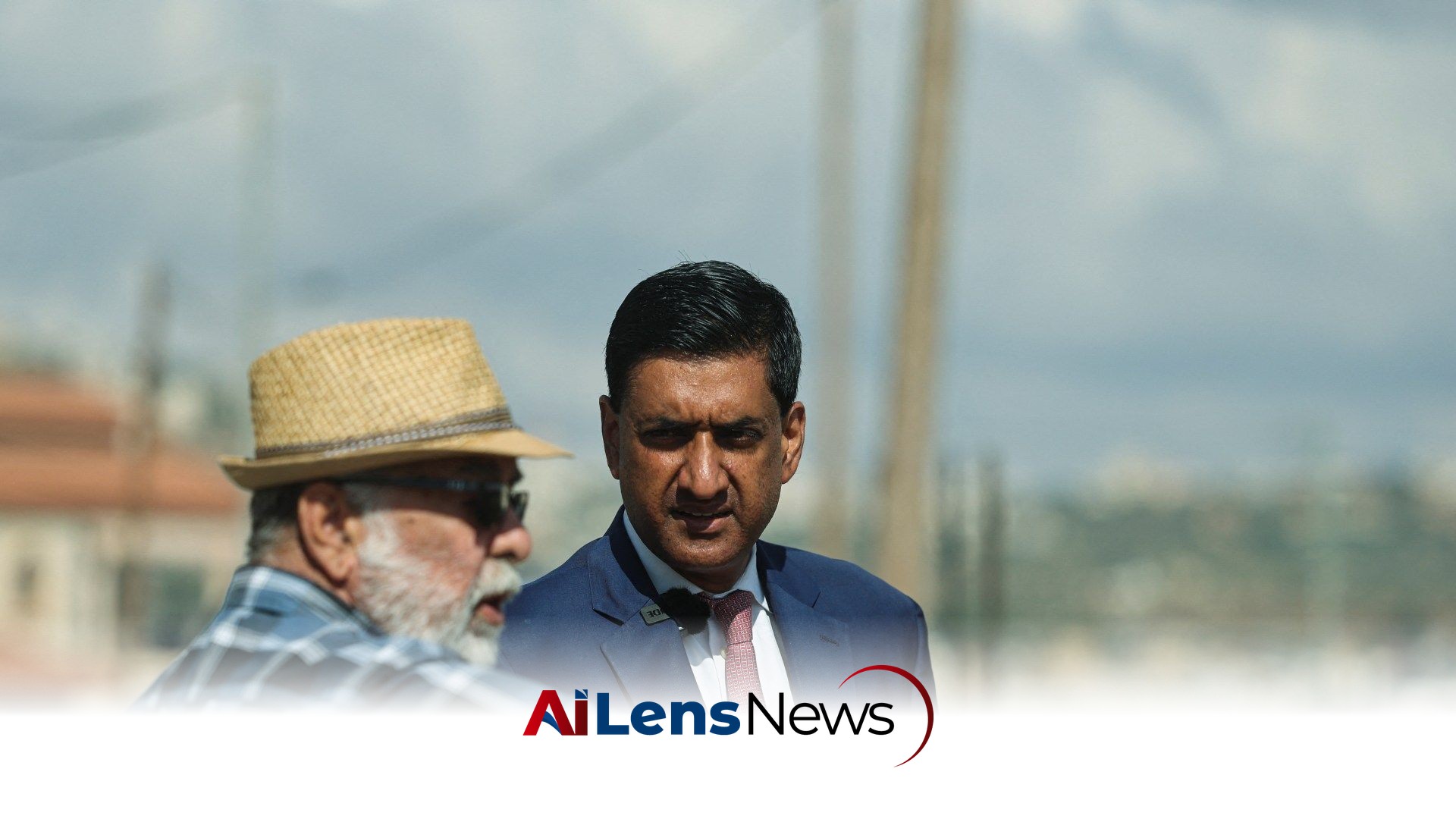


Lawmaker Ro Khanna accuses Israeli soldiers of supporting settlers during his detention in Palestine, highlighting rising settler violence.
Doha, Qatar Jul 11, 2026 ALN: A Democratic lawmaker from the United States, Ro Khanna, recently reported an alarming incident during a trip to Palestine, where he and his tour group were detained by armed Israeli settlers. This occurrence has sparked significant controversy and raised questions about the broader implications of settler violence in the region, particularly in the context of ongoing tensions between Israelis and Palestinians.
In a post on X, formerly known as Twitter, Khanna expressed his concerns about the situation, accusing the Israeli army of siding with the settlers during the incident. He stated that when the Israeli military arrived at the scene, they continued the detention of his group rather than intervening on their behalf. This assertion has drawn attention to the perceived complicity of the Israeli military in the actions of settlers, which has been a contentious issue in the region for years.
Khanna detailed the events surrounding the detention, describing how his group was confronted by settlers armed with rifles. He characterized the settlers as “hoodlums … with machine guns,” emphasizing the intimidating nature of the encounter. The situation escalated to the point where the settlers blocked the road and called the Israeli military for assistance, leading to the involvement of troops who reportedly took the settlers' side.
The incident has highlighted the ongoing issue of settler violence in the occupied West Bank, which has reportedly escalated since Israel's military operations in Gaza began nearly three years ago. Human rights organizations have expressed alarm at the increasing frequency and severity of such violence, suggesting that settlers feel emboldened by the current Israeli government’s policies. Amnesty International has gone so far as to accuse Israel of conducting a state-backed campaign of ethnic cleansing in the West Bank, a claim that has drawn international condemnation and scrutiny.
In recent months, several Western nations have imposed sanctions on networks associated with settler violence, signaling a growing international concern about the treatment of Palestinians and the actions of Israeli settlers. The international community is increasingly watching how the Israeli government addresses these issues, especially in light of the ongoing conflict and the humanitarian crisis in Gaza.
Khanna, who is contemplating a presidential run in 2028, issued a stark warning following the incident, suggesting that the Israeli authorities had made a “huge mistake” in their handling of the situation. His comments reflect a broader sentiment among some U.S. lawmakers who are calling for a reevaluation of U.S. foreign policy towards Israel, particularly regarding military aid and support.
In an interview with Reuters, Khanna elaborated on his experience, describing the settlers’ behavior as arrogant and dismissive, particularly given their young age and the weapons they wielded. He expressed a sense of discomfort, noting that this was the first time he felt acutely aware of his racial identity in such a context. He lamented the apparent lack of respect from the Israeli soldiers, whom he accused of being funded by American taxpayers, towards American citizens being detained.
Khanna's reflections on his experience in the occupied territories underscore the complex dynamics of identity, power, and privilege in the Israeli-Palestinian conflict. His comments about feeling singled out due to his ethnicity resonate with broader discussions about race and identity in the context of global politics. The encounter with armed settlers and the response from the Israeli military has prompted Khanna to reconsider the implications of U.S. support for Israel, particularly in light of the treatment of Palestinians.
According to Cameron Kasky, an aide to Khanna who was part of the group, they were detained for over an hour and made several appeals to the U.S. embassy in Jerusalem for assistance. The situation highlights the challenges faced by American citizens in conflict zones and raises questions about the responsibilities of the U.S. government to protect its citizens abroad. Eventually, they were released after police officers intervened, but the incident left a lasting impression on Khanna and his team.
The Israeli military later issued a statement indicating that troops and police officers had intervened after receiving reports of settlers blocking vehicles near Khirbet Zanuta, a small Palestinian hamlet. This area has been the site of violent settler raids, particularly since the onset of the Gaza conflict in 2023, which has resulted in the forcible displacement of Palestinian residents. The military's response to the incident serves as a reminder of the complexities surrounding law enforcement and order in the occupied territories, where the lines between civilian and military authority often blur.
Historically, Israel has enjoyed strong bipartisan support in the United States, but recent events have led to increased scrutiny of U.S. military aid and foreign policy. Both Republican and Democratic lawmakers have begun to question the implications of unconditional support for Israel, particularly in light of ongoing violence and human rights abuses in the occupied territories. As Congress reviews new military spending legislation, there are calls for a reassessment of U.S. defense ties with Israel.
Khanna and Republican Congressman Thomas Massie have been vocal advocates for ending military aid to Israel, arguing that U.S. taxpayer dollars should not support actions that contribute to human rights violations. Just last week, Khanna reported that the House Rules Committee had canceled a vote on a bill co-sponsored by Massie that sought to terminate U.S. funding for Israel’s military. This development indicates a growing divide within Congress regarding how to approach U.S. support for Israel, particularly as public opinion shifts in response to reports of violence and humanitarian crises in the region.
As the situation continues to evolve, the implications of Khanna's experience and the broader context of U.S.-Israel relations will likely remain a topic of heated debate among lawmakers, activists, and the international community. The incident serves as a stark reminder of the complexities and challenges inherent in the Israeli-Palestinian conflict, as well as the responsibilities of global powers in addressing issues of violence, human rights, and international law.
To learn more about the latest developments in Political Controversies, stay updated with our exclusive reports and analyses on AiLensNews.

