

Qatar urges de-escalation after condemning Iranian attacks on Bahrain and Kuwait, as President Donald Trump declares the ceasefire with Iran is 'over'.
Doha, Qatar Jul 8, 2026 ALN: Qatar urges de-escalation after condemning Iranian attacks on Bahrain and Kuwait, as President Donald Trump says the ceasefire with Iran is “over”.
Qatar has strongly condemned the repeated Iranian attacks on Bahrain and Kuwait, calling them a flagrant violation of the two countries’ sovereignty and a blatant breach of international law. The Iranian Revolutionary Guard Corps (IRGC) had claimed responsibility for targeting U.S. military installations in Bahrain and Kuwait on Wednesday, following a series of U.S. attacks on southern Iran. This recent escalation in hostilities has raised concerns about the stability of the region and the potential for broader conflict.
The IRGC's actions come amidst ongoing tensions between Iran and the United States, which have been exacerbated by the U.S. withdrawal from the Joint Comprehensive Plan of Action (JCPOA) in 2018. The JCPOA, commonly known as the Iran nuclear deal, was an agreement between Iran and six world powers aimed at curbing Iran's nuclear program in exchange for the lifting of economic sanctions. Since the U.S. withdrawal, Iran has gradually stepped back from its commitments under the deal, leading to increased hostilities and military confrontations.
In a statement, Qatar’s Ministry of Foreign Affairs urged a return to dialogue and diplomacy, calling on all parties to de-escalate and build on the gains achieved under the framework of the U.S.-Iran Memorandum of Understanding. The Ministry emphasized the importance of avoiding further escalation and highlighted the need for constructive dialogue to restore peace and stability in the region.
“The Ministry of Foreign Affairs stresses the need to spare the region the consequences of unjustified attacks, to continue on the path of dialogue and diplomacy, to reduce escalation, and to build on the gains achieved within the framework of the Memorandum of Understanding, in a way that contributes to consolidating security and stability at the regional and international levels,” the MoFA said. This statement reflects Qatar's longstanding position as a mediator in regional conflicts and its commitment to fostering dialogue among Gulf states and Iran.
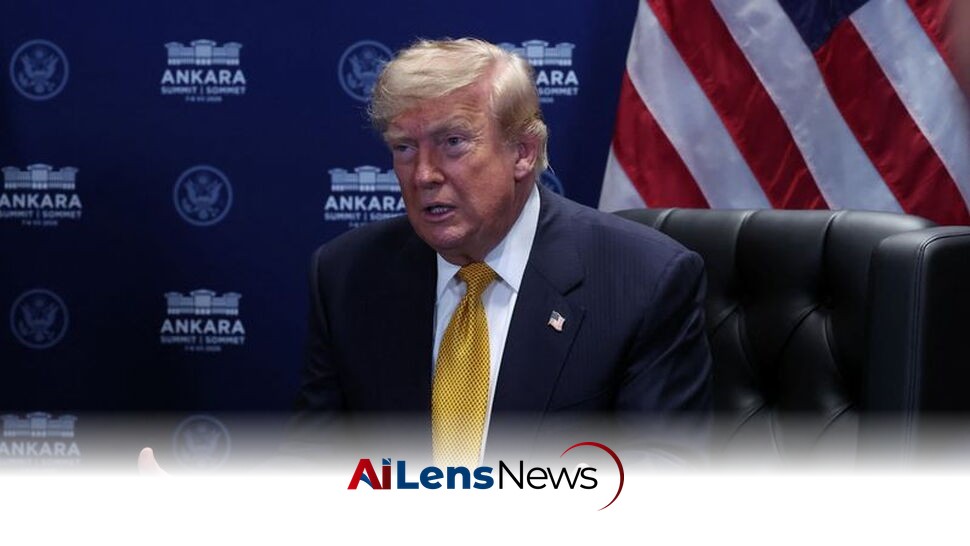
Meanwhile, U.S. President Donald Trump stated that the ceasefire with Iran is “over,” although he did not completely rule out the possibility of future negotiations. Speaking at the NATO summit in Ankara, Trump expressed his frustration with Iran, saying, “I think it’s over. I don’t want to deal with them anymore. They’re scum.” This strong rhetoric underscores the deteriorating relationship between the U.S. and Iran and highlights the challenges of finding a diplomatic solution amidst rising tensions.
In response to the Iranian attacks, U.S. Central Command (CENTCOM) launched fresh strikes against more than 80 targets inside Iran in the early hours of Wednesday. These strikes included air defense systems, radar sites, and over 60 IRGC small boats, marking a significant escalation in U.S. military involvement in the region. The U.S. military's actions are framed as direct responses to Iranian aggression, particularly following attacks on three commercial vessels transiting the strategically vital Strait of Hormuz.
“Iran recently attacked three commercial vessels transiting the strait including Marshall Islands-flagged M/T Al Rekayyat, Saudi Arabia-flagged M/T Wedyan, and Liberian-flagged M/T Cyprus Prosperity. The unwarranted aggression by Iranian forces is a clear and dangerous violation of the ceasefire and undermines freedom of navigation,” CENTCOM stated. This incident not only highlights the risks to maritime security but also raises concerns about the implications for global oil markets, given that a significant portion of the world’s oil supply passes through this narrow waterway.
U.S. forces, the command added, remain prepared to hold Iran accountable if the agreement continues to be breached. This statement reflects a commitment to maintaining freedom of navigation in the region, which is critical for global trade and energy supplies. The U.S. military presence in the Gulf has been a longstanding element of its foreign policy, aimed at deterring Iranian aggression and ensuring the security of its allies in the region.
The strike on the strategic port of Sirik in southern Iran reportedly injured four people and heavily damaged maritime infrastructure, according to the official Islamic Republic News Agency (IRNA). This attack not only serves as a retaliation for Iranian actions but also signals the U.S. willingness to escalate its military response if necessary. The targeting of critical infrastructure raises the stakes in an already volatile situation, as it may provoke further retaliation from Iran.
Arab League Secretary-General Nabil Fahmy also condemned Iran’s attacks on Gulf Arab states, specifically naming Qatar’s LNG carrier Al-Rekayyat, Saudi crude tanker Al-Wedyan, and the repeated missile and drone strikes on Kuwait and Bahrain. Fahmy's condemnation reflects a broader concern among Arab states regarding Iran's influence and military capabilities in the region, particularly its ability to project power through proxy groups and direct military action.
Fahmy warned of the serious dangers posed by the escalation and reaffirmed the Arab League’s full solidarity with Saudi Arabia, Qatar, Kuwait, Bahrain, and all Gulf states, stressing that Gulf security is an integral part of Arab national security. This solidarity among Gulf states underscores the importance of regional cooperation in addressing common security threats, particularly in the face of Iranian aggression.
The recent escalation in hostilities between the U.S. and Iran has significant implications for regional stability and security. As tensions rise, the potential for miscalculation or unintended escalation increases, raising fears of a broader conflict that could involve multiple actors in the region. The situation remains fluid, with diplomatic efforts to de-escalate the situation being paramount to avoid further violence and instability.
In conclusion, the ongoing conflict between Iran and the U.S. poses significant challenges for regional and global security. The responses from Qatar and other Gulf states highlight the precarious nature of the situation, as nations grapple with the implications of Iranian actions and U.S. military responses. The need for dialogue and diplomacy remains critical in addressing the underlying issues that contribute to the ongoing tensions, and the international community must remain vigilant in monitoring developments in this volatile region.
To learn more about the latest developments in Political Controversies, stay updated with our exclusive reports and analyses on AiLensNews.

