

A satirical social media post ignited a significant protest movement among India's Gen Z, challenging government criticism and education policies.
Kuwait City, Kuwait Jul 12, 2026 ALN: Public relations graduate Abhijeet Dipke said he didn’t intend to spark a student movement, after India’s chief justice reportedly likened young people who criticized the government to “cockroaches” and “parasites.” The 30-year-old, who was looking for work in the United States at the time, said he was “taken aback” by the comments made by Chief Justice Surya Kant—who later claimed they were taken out of context. Despite rapid economic growth, millions of people in the world’s most populous nation struggle to find stable and well-paying jobs, fueling discontent.
“How can the custodian of the constitution compare the youth with cockroaches and parasites, just for expressing their opinions and criticizing the system?” Dipke told AFP. Dipke went online in May to air his frustrations, making a satirical post on X that said: “What if all cockroaches come together?” This post, which was initially meant as a humorous response to an insensitive remark, resonated deeply with a generation grappling with significant societal and economic challenges.
The post went viral, driving Dipke to transform the idea into a parody platform that he named the Cockroach Janta Party (CJP), playing on the name of the country’s ruling Bharatiya Janata Party (BJP). “Within two hours we got some 5,000 sign-ups on the Google form... and that made me realize—why not launch an official website and a manifesto?” Dipke said. More than 30,000 people joined within 24 hours of its launch, he added. The rapid growth of this platform highlights a significant shift in the political engagement of young Indians, many of whom feel disenfranchised by the traditional party system.
It now has more than 22 million followers on its Instagram account, eclipsing the BJP’s by 13 million followers. “That is when I realized maybe the youth here is trying to send a message,” he said. Dipke said momentum for the movement has been largely driven by Gen Z students in their 20s. This demographic, often characterized by their use of social media as a tool for activism, has become a formidable force in shaping public discourse and political narratives in India.
“They told me they are really dissatisfied with all the existing political parties, because nobody listens to them,” he said. “There is some genuine frustration... not just a social media trend.” The sentiments expressed by Dipke reflect a broader discontent among the youth, who often perceive the political establishment as out of touch with their realities. Many young people in India face a job market that is increasingly competitive, with educational qualifications often not translating into employment opportunities. This disconnect has led to a sense of alienation and frustration, which the CJP seeks to address.
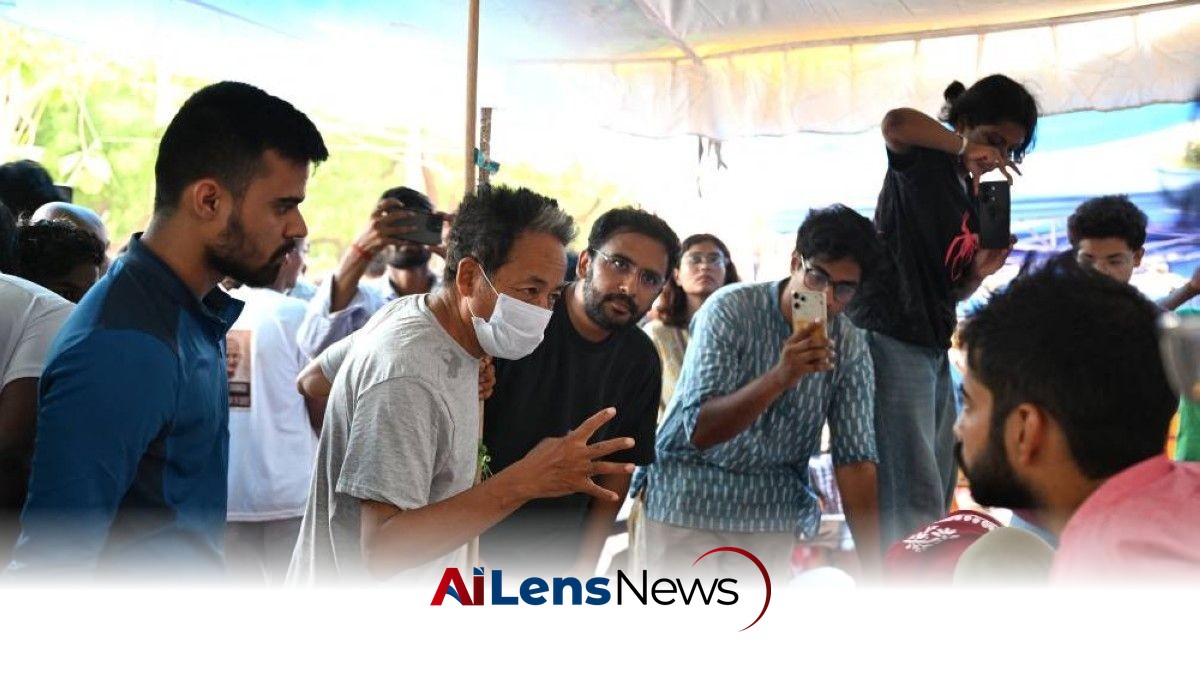
What began online has since spilled onto the streets, with CJP holding protests in different cities across the country. Dipke, who flew back from the United States on June 6, began his second protest last month, still ongoing at New Delhi’s well-known protest site Jantar Mantar. This location has historically been a hub for social and political movements, providing a platform for citizens to voice their grievances. The CJP's presence at Jantar Mantar signifies a continuation of this tradition, as young people gather to demand accountability and reform.
The movement’s primary demand is the resignation of Education Minister Dharmendra Pradhan, whom they blame for repeated failures in the education system, particularly in the conduct of India’s medical entrance examination. Alleged irregularities, including a paper leak that forced a retake of the exam, have become a key reason for the mobilization of CJP. The education system in India has long been a subject of scrutiny, with many arguing that it is in dire need of reform to meet the needs of a rapidly changing job market.
Delhi University student, Anjali, 25 from the eastern state of Bihar, said the “protest might have started with a social media trend, some sort of sarcasm... but it has turned into a movement of rage.” This transformation from a light-hearted social media campaign to a serious protest movement underscores the deep-seated frustrations of a generation that feels unheard and marginalized. Anjali’s comments reflect a growing sentiment among youth that their voices must be amplified in the political arena, particularly when it comes to issues that directly affect their futures.
“A rage that has been accumulated in the youth for the past 10 years,” she added. This accumulated frustration can be traced back to various socio-economic issues, including unemployment, inadequate educational infrastructure, and a lack of opportunities for upward mobility. The CJP movement may serve as a catalyst for broader discussions about the state of youth engagement in Indian politics and the need for more responsive governance.
Renowned climate activist Sonam Wangchuk also joined the protests in solidarity, beginning a fast on June 28. “It is our duty to raise our voice,” the 59-year-old, who remains on hunger strike at the protest site, told AFP. “I hope that our government, the government of the largest democracy in the world, will be sensitive, sensible and responsive to the voices.” Wangchuk’s involvement highlights the intersection of various social movements in India, as activists from different backgrounds come together to advocate for change. His presence at the protests not only lends credibility to the movement but also emphasizes the importance of solidarity among diverse groups fighting for common causes.
When asked about his ambitions, Dipke, who previously worked with the opposition Aam Aadmi Party as a communications strategist, stressed he does not intend to turn the movement into a political outfit. “There is no point in making it a political party when the elections are fixed and the results are already pre-decided,” Dipke said. This statement reflects a growing disillusionment with traditional political structures, as many young people in India feel that their votes do not translate into meaningful change. For now, he said, the movement is here to stay and will continue to evolve around student anger, exam fraud, and wider frustration with institutions.
“There is no shortage of issues in India that need to be addressed,” he said. The CJP movement not only highlights the specific grievances of students but also points to a larger crisis of confidence in the political system. As this movement gains momentum, it may inspire other marginalized groups to organize and advocate for their rights, potentially reshaping the political landscape in India.
The rise of the CJP also raises important questions about the role of social media in modern activism. Platforms like X and Instagram have become essential tools for mobilizing support and disseminating information quickly and effectively. This new form of activism allows for a broader reach and engagement, particularly among younger demographics who are more adept at using these platforms. However, it also poses challenges, such as the potential for misinformation and the difficulty of translating online support into tangible political action.
As the CJP continues to advocate for change, it will be crucial for its leaders to maintain the momentum of their movement while also addressing the complexities of political engagement in a rapidly evolving digital landscape. The outcome of this movement may not only impact the education system but could also serve as a bellwether for future youth-led initiatives in India, as young people increasingly demand a seat at the table in shaping their country's future.
To learn more about the latest developments in Public Opinion & Analysis, stay updated with our exclusive reports and analyses on AiLensNews.

