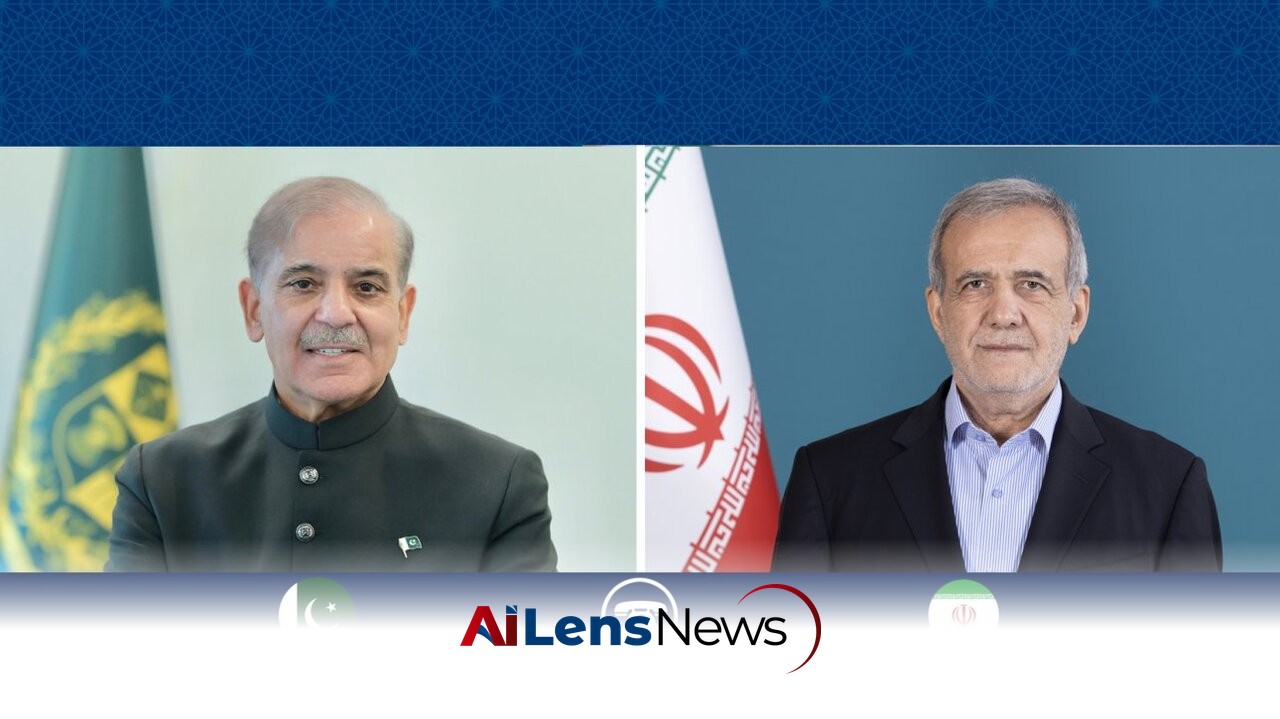


TEHRAN – Iranian President Masoud Pezeshkian warned that some countries are seeking to destabilize West Asia, emphasizing that lasting peace requires mutual respect and adherence to commitments.
Tehran, Iran Jul 11, 2026 ALN: TEHRAN – Iranian President Masoud Pezeshkian issued a cautionary statement on Friday, asserting that "some countries" are actively working to destabilize West Asia and undermine ongoing diplomatic efforts aimed at fostering peace in the region. This warning underscores the ongoing complexities and geopolitical tensions that characterize West Asia, a region that has long been marred by conflict and instability.
During a recent telephone conversation with Pakistani Prime Minister Shehbaz Sharif, Pezeshkian and Sharif discussed a range of critical issues, including the latest developments in the region, the necessity of maintaining diplomatic engagement, and the importance of preserving the current ceasefire to prevent further escalation of hostilities. The dialogue was reported by the Iranian presidency, highlighting both leaders' commitment to addressing the multifaceted challenges facing their nations and the broader region.
Pezeshkian articulated concerns regarding the persistent security challenges that plague West Asia, specifically pointing fingers at Israel and the United States for their roles in undermining regional stability. He accused these nations of failing to adhere to previous commitments, which he believes are essential for fostering a peaceful environment. This assertion reflects a broader sentiment within Iran's leadership, which often views U.S. foreign policy in the Middle East as a destabilizing force. The Iranian president emphasized that the reliance on diplomacy remains crucial to averting a new cycle of conflict, ultimately safeguarding peace in the region.
In his remarks, Pezeshkian stated, "Iran has consistently acted in good faith and fulfilled its obligations," reinforcing the notion that any sustainable diplomatic agreement must be predicated on mutual respect and practical compliance from all involved parties. This perspective is aligned with Iran's longstanding foreign policy, which is guided by the strategic vision set forth by the Leader of the Islamic Revolution, Ayatollah Seyed Mojtaba Khamenei. The Iranian leadership's emphasis on adherence to commitments reflects its desire for a stable and predictable regional order, which has often been disrupted by external interventions and internal strife.
Pezeshkian also took the opportunity to commend Pakistan's role in regional diplomacy, acknowledging the efforts of Prime Minister Sharif and Army Chief General Asim Munir in their attempts to mitigate tensions and promote peaceful initiatives. This acknowledgment highlights the collaborative spirit that has historically characterized Iran-Pakistan relations, which are deeply rooted in shared historical, cultural, and religious ties. The two nations have often found common ground in their approaches to regional issues, particularly in matters concerning security and economic cooperation.
Furthermore, Pezeshkian expressed gratitude to Pakistan for sending a high-level delegation to attend the funeral and memorial ceremonies of the late Leader of the Islamic Revolution, Ayatollah Seyed Ali Khamenei. This gesture was seen as a symbol of the close bonds between Iran and Pakistan, reinforcing the notion of solidarity in times of mourning and reflection. Such diplomatic gestures are crucial in maintaining the intricate web of relationships that underpin regional stability.
In addition to discussions on diplomatic relations, Pezeshkian urged for a more expedited implementation of bilateral economic agreements, emphasizing the need for enhanced cooperation in various sectors, including trade, agriculture, transportation, and industry. The Iranian president's call for expanded economic collaboration speaks to the potential for both countries to unlock significant benefits from their partnership, which could serve as a stabilizing force in the region. Economic interdependence often acts as a deterrent against conflict, fostering a sense of shared interest that can lead to more peaceful coexistence.
In response, Prime Minister Sharif reaffirmed the "brotherly relationship between Pakistan and Iran," noting that Islamabad's participation in the recent memorial ceremonies was both a duty and a reflection of solidarity with the Iranian people. This sentiment underscores the importance of mutual respect and understanding in international relations, particularly in a region where historical grievances and political disputes can easily escalate into conflict.
Sharif expressed concern over the potential for renewed regional tensions, emphasizing the need for restraint and sustained political dialogue to uphold the ceasefire. His remarks highlight the precarious nature of peace in West Asia, where even minor incidents can lead to significant escalations. The Pakistani prime minister reiterated his country's readiness to support diplomatic initiatives aimed at de-escalation, including regional mediation efforts involving other key players such as Qatar. This willingness to engage in dialogue reflects a broader trend among regional actors who recognize the necessity of collaborative approaches to conflict resolution.
Moreover, Sharif characterized Iran as a key regional actor, expressing confidence in its leadership's ability to navigate the current challenges with prudence. This acknowledgment of Iran's role in the region is significant, as it indicates a willingness to engage with Tehran on matters of mutual concern, despite the complex geopolitical landscape that often complicates such relationships.
As the conversation between Pezeshkian and Sharif concluded, both leaders reaffirmed their commitment to maintaining close political consultations and accelerating the implementation of bilateral economic and trade agreements. This commitment is particularly important in light of the ongoing challenges that West Asia faces, as cooperative efforts between Iran and Pakistan could serve as a model for other countries in the region seeking to navigate their own geopolitical dilemmas.
The implications of this dialogue extend beyond the immediate concerns of Iran and Pakistan. The broader context of regional stability in West Asia is influenced by a multitude of factors, including the actions of external powers, the dynamics of local conflicts, and the historical relationships between neighboring countries. As such, the commitment to diplomacy and economic collaboration expressed by both leaders could potentially serve as a stabilizing force in a region often characterized by volatility.
In conclusion, the conversation between Iranian President Masoud Pezeshkian and Pakistani Prime Minister Shehbaz Sharif reflects a shared commitment to regional stability through diplomacy and economic cooperation. As both nations navigate the complexities of their relationships with each other and with external powers, their efforts may contribute to a more peaceful and prosperous West Asia, provided that they can successfully address the underlying challenges that continue to threaten the region's peace and security.
To learn more about the latest developments in Regional Politics, stay updated with our exclusive reports and analyses on AiLensNews.

