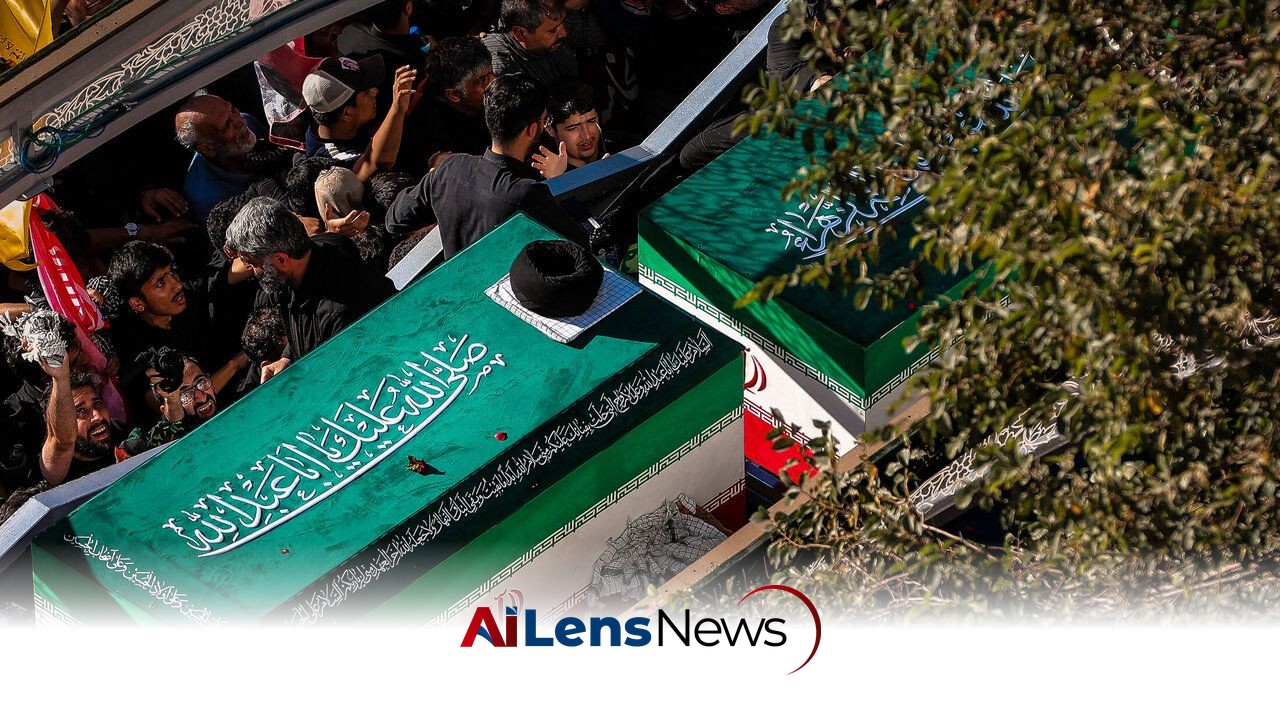


TEHRAN - The martyred Leader of the Islamic Revolution, Ayatollah Seyyed Ali Khamenei, was laid to rest at the holy shrine of Imam Reza (AS) in Mashhad, marking a deeply emotional farewell.
Tehran, Iran Jul 11, 2026 ALN: TEHRAN - The martyred Leader of the Islamic Revolution, Ayatollah Seyyed Ali Khamenei, was laid to rest at the holy shrine of Imam Reza (AS) in the northeastern city of Mashhad, marking the final, deeply emotional chapter of an unprecedented multination farewell. His burial not only signifies a pivotal moment in Iran’s contemporary history but also reflects the deep-rooted sentiments of the Iranian populace towards their leadership and the broader political landscape of the region.
Amid tears, prayers, and overwhelming grief, the body of the late Leader was buried within the holy precincts of the shrine of the eighth Shia Imam, fulfilling his final wishes and sealing his legacy as a transcendent figure of Islamic resistance and sovereignty. The significance of Imam Reza's shrine cannot be overstated; it is one of the holiest sites for Shia Muslims and symbolizes the spiritual and cultural heart of Iran. The choice of this location for Khamenei's burial highlights the intertwining of religious devotion and national identity, as well as the reverence with which he was held by his followers.
The burial followed a historic procession through Mashhad, where millions of devotion-driven mourners flooded the streets, turning the city into a vast sea of red and black. These colors are traditionally associated with mourning in Shia Islam, where red symbolizes the blood of martyrs and black represents grief. Waving crimson flags that symbolize the enduring path of martyrdom and the sacred call to avenge the blood of the innocent, packed crowds marched along Imam Reza (AS) Street. The immense gathering caused severe delays, forcing the organizing committee to reschedule the final procession from morning to afternoon, as the vehicle carrying the coffin of the Leader and his family members could only advance inches at a time through the tightly packed rows of faithful citizens demanding justice. This overwhelming turnout underscores the profound impact Khamenei had on Iranian society and the deep-seated emotions surrounding his death.
Ayatollah Khamenei was martyred on February 28 alongside several members of his family during the first day of the nearly forty-day war of aggression waged by the United States and the Israeli regime against Iran. His assassination marked a significant escalation in the already fraught relationship between Iran and these nations, which has been characterized by decades of tension, sanctions, and military confrontations. Rather than weakening the nation, his martyrdom triggered a massive, week-long outpouring of national unity and revolutionary defiance that spanned multiple historic cities and international borders. This reaction reflects not only Khamenei's stature as a leader but also the resilience of the Iranian people in the face of external threats.
The majestic multi-day funeral rites originally commenced on Friday at the Imam Khomeini Mosalla in Tehran, where the Leader’s body lay in state as high-ranking foreign dignitaries, heads of state, and global religious figures arrived to pay their respects, completely shattering Western attempts to isolate Iran diplomatically. The attendance of international figures at the funeral highlights the geopolitical significance of Iran and Khamenei's role in regional politics. On Monday, millions of Iranians choked the avenues of the capital for the funeral procession, before the ceremonies moved on Tuesday to the holy city of Qom. In Qom, the spiritual heart of the Shia scholarly world, Grand Ayatollah Abdullah Javadi Amoli led prayers before millions of mourners at the Holy Jamkaran Mosque, further solidifying Khamenei's legacy within the religious and political fabric of Shia Islam.
Demonstrating the transnational reach of his legacy, the funeral then moved to neighboring Iraq, where historic, million-strong farewell ceremonies brought the holy cities of Najaf and Karbala to a complete standstill. Millions of Iraqi believers accompanied the flag-draped coffins to the holy shrines of Imam Ali (AS) in Najaf, and subsequently to the shrines of Imam Hussein (AS) and Hazrat Abbas (AS) in Karbala, reinforcing the unbreakable brotherhood of the Axis of Resistance. This solidarity among Shia communities across borders illustrates the shared cultural and religious ties that bind these populations together, and the collective grief experienced in Iraq mirrors that of Iran, highlighting the regional implications of Khamenei's death.
Following these magnificent displays of regional solidarity, the martyrs were flown back to Mashhad’s Shahid Hasheminejad International Airport for the final rites. The visual landscape of the Imam Reza (AS) Shrine, particularly the Azadi and Enghelab courtyards, was adorned with giant portraits of the late Leader. The imagery at the shrine served not only as a tribute to Khamenei but also as a reminder of the ideals he championed during his leadership. With his final burial, the Iranian nation transformed its profound grief into a renewed, collective pledge to remain steadfastly committed to the path of independence, dignity, and resistance that Ayatollah Khamenei championed throughout his decades of revolutionary leadership.
This event marks a significant moment in Iran's history, as it not only reflects the end of an era but also sets the stage for potential changes in Iran's political landscape. The mourning period and the subsequent gatherings could lead to increased nationalistic fervor and a renewed commitment to the principles Khamenei espoused, particularly in the face of external pressures. Furthermore, it raises questions about the future leadership of the Islamic Republic and how Khamenei's death might influence Iran's domestic policies and international relations, especially with adversaries like the United States and Israel.
In conclusion, the funeral of Ayatollah Khamenei was not merely a farewell to a leader but a profound expression of collective identity, resilience, and the enduring spirit of a nation that has faced significant challenges over the decades. It underscores the complex interplay of religion and politics in Iran and the broader region, as well as the potential ramifications for future geopolitical dynamics. As Iran navigates this transitional period, the legacy of Khamenei will undoubtedly continue to shape the narrative of resistance and sovereignty that resonates deeply within the hearts of his followers and beyond.
To learn more about the latest developments in Leaders & Politicians, stay updated with our exclusive reports and analyses on AiLensNews.

