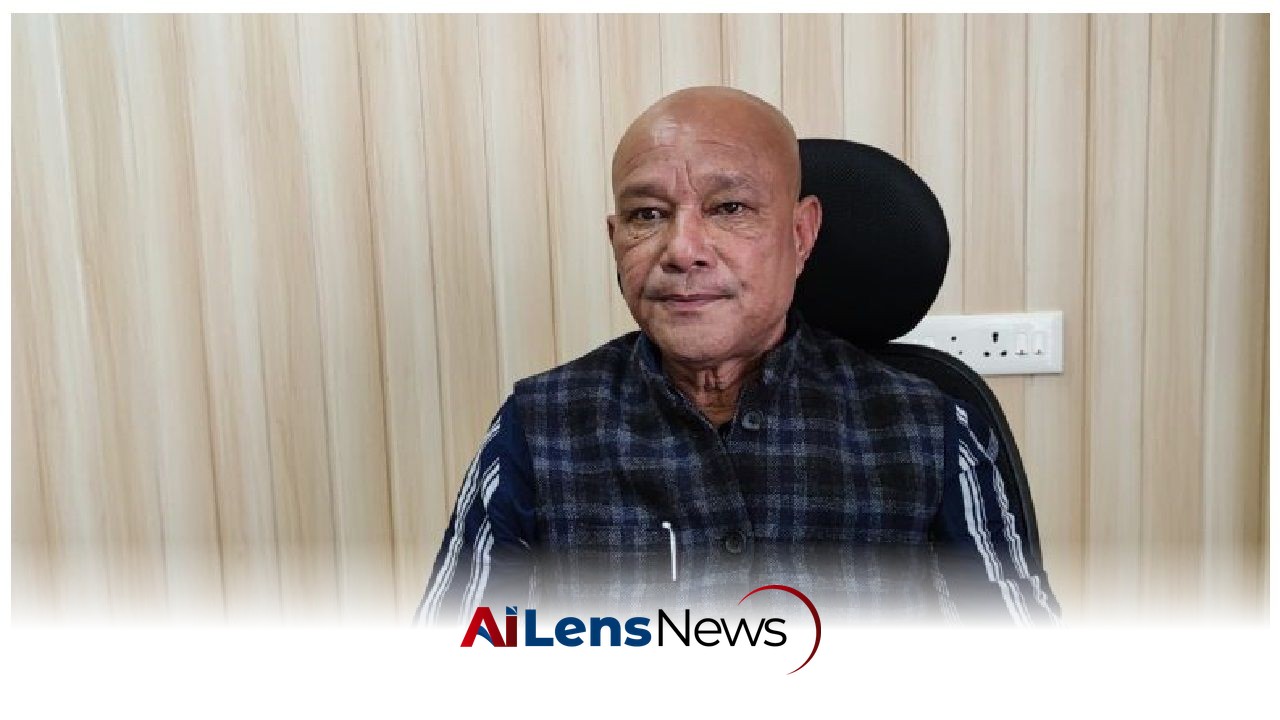


Cabinet Minister Sanbor Shullai criticizes the Voice of the People Party's protest against Assam CM Himanta Biswa Sarma's attendance at the Behdeinkhlam festival, asserting it is unrelated to border disputes.
Shillong, India Jul 10, 2026 ALN: SHILLONG, JUL 10: Cabinet Minister Sanbor Shullai on Friday took strong objection to the Voice of the People Party’s protest against Assam Chief Minister Himanta Biswa Sarma’s visit to Jaintia Hills for Behdeinkhlam, describing it as “embarrassing” and unwarranted.
Sarma was in Jowai on Thursday as chief guest at the invitation of Seinraij, Jowai, a prominent organization within the Pnar community, which is one of the indigenous tribes in . The Behdeinkhlam festival is a significant cultural event for the Pnar people, celebrated annually as a means of seeking blessings for a good harvest and to ward off diseases. It usually involves traditional rituals, music, and dance, and serves as a unifying event for the community.
The Behdeinkhlam festival, traditionally celebrated in the month of July, is not just a religious observance but also a vibrant expression of Pnar identity, culture, and community spirit. The festival is marked by various activities, including the construction of a ceremonial structure known as the 'Behdeinkhlam,' which is a significant part of the rituals performed during the event. This festival has deep-rooted historical significance and reflects the Pnar people's connection to their land, ancestors, and each other.
Shullai, along with the Deputy Chief Minister and local legislators, attended the festival with him, reflecting the importance of the event in the local cultural calendar. The participation of political leaders in such festivals is often seen as a gesture of goodwill and solidarity with the local communities. It also serves to strengthen the ties between the government and the people, fostering a sense of belonging and mutual respect.
“We feel embarrassed that the Prah party (VPP) opposed the visit of Assam Chief Minister Himanta Biswa Sarma as chief guest to the great festival of the Pnar community, Behdeinkhlam. I was present there yesterday,” Shullai said, emphasizing the cultural significance of the occasion and the inappropriateness of politicizing such events. The Behdeinkhlam festival is not merely a local gathering; it is a moment where the Pnar community collectively seeks blessings for prosperity and health, making it an event that transcends political affiliations.
He said the VPP’s attempt to link the visit to the pending border dispute was misplaced. The border issue between Assam and has been a long-standing point of contention, with various areas claimed by both states leading to tensions and disputes over jurisdiction and governance. The complexities of the border issue have historical roots, often exacerbated by socio-political factors, including migration patterns, administrative decisions, and the aspirations of local communities.
However, Shullai argued that the Behdeinkhlam festival should not be conflated with these political and territorial disputes. “It is funny that they say Himanta Biswa Sarma should solve the boundary issue. This visit has nothing to do with the border issue,” he stated, clearly delineating the cultural event from the ongoing political discussions surrounding the border. This statement underscores the need for cultural events to be celebrated without the overshadowing of political agendas, allowing communities to come together in unity and celebration.
According to Shullai, while groups are free to raise concerns with both state governments, targeting a cultural event was wrong. He highlighted the importance of maintaining respect for cultural traditions and the role they play in fostering community spirit and cohesion. In many ways, festivals like Behdeinkhlam serve as a reminder of the shared values and traditions that bind communities together, regardless of political affiliations.
“Every individual, NGO or political party has the right to raise issues. But they should not protest his visit as chief guest to the festival. It is not connected with the border issue,” he said, reinforcing the idea that cultural celebrations should be inclusive and free from political strife. This perspective encourages a more harmonious coexistence between different political ideologies, urging all parties to recognize the value of cultural heritage.
He added that the border matter is already with a government-appointed committee, indicating that there are formal processes in place to address these disputes. This committee is tasked with reviewing the border claims and making recommendations to resolve the ongoing issues, which have historical roots and have been exacerbated by various socio-political factors over the years. The existence of such a committee reflects the government's acknowledgment of the complexities involved in border disputes and its commitment to finding a resolution through structured dialogue.
“If there are suggestions or objections in writing, they should be submitted to the government or to that committee,” Shullai said, urging those with concerns to engage through the appropriate channels rather than disrupting cultural events. This approach emphasizes the importance of constructive dialogue and the need for stakeholders to work collaboratively towards resolution. Engaging in dialogue through established channels not only promotes transparency but also fosters a sense of collective responsibility among citizens and their leaders.
The Minister further said such statements do not reflect public opinion. He expressed his belief that the majority of people in value the cultural significance of events like Behdeinkhlam and support the participation of leaders from neighboring states in these celebrations. This highlights a potential disconnect between political parties and the constituents they represent, particularly in matters that involve cultural identity and community values. The assertion that the public sentiment leans towards inclusivity during cultural events suggests a desire for unity rather than division.
“We feel it is funny that a political party like the Prah has made these statements, which are not accepted by the people of the state,” he said, suggesting that the VPP's stance may not resonate with the broader public sentiment. This situation raises important questions about the role of political parties in representing the interests and values of their constituents, particularly in a culturally rich and diverse region like .
The incident raises important questions about the intersection of culture and politics in , especially in light of the ongoing border disputes with Assam. As local communities navigate their identities and relationships with neighboring states, the role of festivals like Behdeinkhlam becomes crucial in reinforcing cultural heritage and solidarity. Festivals are not just a display of cultural pride; they also serve as forums for dialogue, understanding, and reconciliation among different groups.
Moreover, political leaders' participation in such events can serve to bridge gaps and foster dialogue between communities, potentially easing tensions that arise from border disputes. However, as evidenced by the VPP's protest, there is a delicate balance to be maintained between cultural celebrations and political discourse. The challenge lies in ensuring that cultural events remain a space for joy and unity, rather than becoming battlegrounds for political ideologies.
In conclusion, while the Behdeinkhlam festival is a time for celebration and unity among the Pnar community, the reactions surrounding Himanta Biswa Sarma's visit highlight the complexities of political relationships in the region. As both states continue to address the border issue, it is essential for leaders to prioritize cultural respect and community engagement, ensuring that festivals remain a space for joy rather than contention. The ongoing dialogue about the relationship between culture and politics will continue to shape the social landscape of , as communities strive to find common ground amidst their diverse identities and aspirations.
To learn more about the latest developments in Regional Politics, stay updated with our exclusive reports and analyses on AiLensNews.

