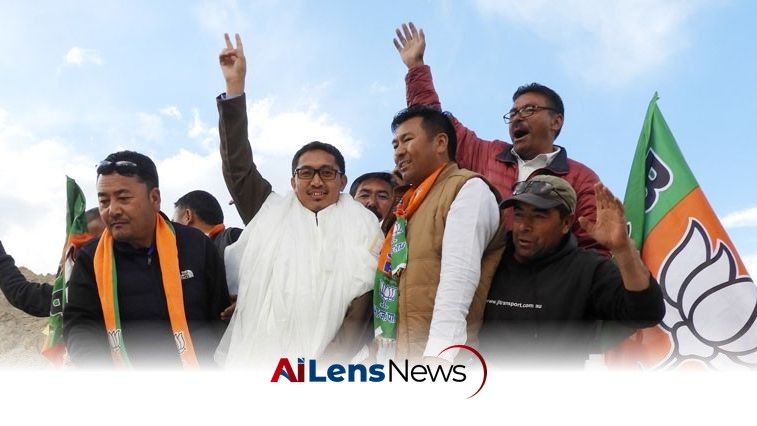


The political landscape in Ladakh is witnessing a resurgence as local leaders rally for development and representation, marking a significant shift in regional dynamics.
New Delhi, India Jul 12, 2026 ALN: The political landscape in Ladakh is undergoing a notable transformation, as local leaders and parties are rallying to address the pressing needs of the region. This resurgence, often symbolized by the lotus, signifies hope and renewal for the people of Ladakh. The evolution of political dynamics in this high-altitude region is not just a matter of local governance but reflects broader national themes of identity, autonomy, and development.
In recent months, Ladakh has seen a surge in political activity, with local leaders advocating for greater representation and development. The region, which was carved out as a Union Territory in 2019, has faced numerous challenges, including issues related to infrastructure, healthcare, and education. The transition from being part of Jammu and Kashmir to a Union Territory has left many in Ladakh questioning their political future and seeking a stronger voice in the governance process.
This political awakening is not merely a response to administrative changes; it is also rooted in a long-standing desire among the people of Ladakh for self-determination and recognition of their unique cultural and geographical identity. The region is characterized by its diverse ethnic groups, including Buddhists, Shia Muslims, and others, each with distinct cultural practices and needs. The political mobilization is, therefore, a crucial step towards ensuring that these diverse voices are represented.
Local leaders have begun to unite under various political banners, emphasizing the need for a cohesive strategy to tackle the unique challenges faced by Ladakh. Their efforts are aimed at ensuring that the voices of Ladakhis are heard at the national level. Prominent among these leaders are individuals who have historically played significant roles in the region's socio-political landscape, advocating for issues such as environmental protection, cultural preservation, and economic development.
The emergence of new political parties and coalitions reflects a growing consciousness among the populace regarding their rights and demands. This coalition-building among local leaders is critical, as it helps to consolidate efforts and present a unified front when negotiating with the central government. Such unity is essential in a region where geographical isolation and limited infrastructure can hinder effective governance and development.
One of the primary focuses of these local movements is the push for development initiatives that cater specifically to the needs of the region. This includes improving connectivity, enhancing healthcare facilities, and promoting sustainable tourism. The rugged terrain and harsh climate of Ladakh pose significant challenges to infrastructure development, making it imperative for local leaders to advocate for tailored solutions that address these unique circumstances.
Connectivity remains a pressing issue, as many remote villages are still cut off from major urban centers. Improved road and transport networks are essential for economic growth, allowing for better access to markets, education, and healthcare. Additionally, leaders are pushing for the establishment of more healthcare facilities, as the region has historically struggled with limited medical services, which has only been exacerbated by the COVID-19 pandemic.
Tourism is another area where local leaders see potential for sustainable development. Ladakh's breathtaking landscapes and rich cultural heritage make it a prime destination for travelers. However, there is a growing awareness of the need for responsible tourism practices that protect the environment and benefit local communities. Initiatives aimed at promoting eco-tourism and community-based tourism are being discussed as ways to ensure that economic benefits are equitably distributed.
Community engagement has become a cornerstone of this political awakening. Leaders are actively seeking input from the residents of Ladakh, ensuring that their concerns and aspirations are prioritized in the political discourse. This grassroots approach not only empowers local citizens but also fosters a sense of ownership over the political process. Town hall meetings, community forums, and social media platforms are being utilized to facilitate open dialogue between leaders and constituents.
Moreover, this engagement has highlighted the importance of education in empowering the youth of Ladakh. Local leaders are advocating for educational reforms that cater to the region's specific needs, including the inclusion of local history and culture in school curricula. By investing in education, they aim to equip the next generation with the skills and knowledge necessary to navigate the challenges ahead and to contribute positively to their communities.
As the political landscape continues to evolve, the future of Ladakh appears promising. The collective efforts of local leaders and the community may pave the way for a more prosperous and representative governance structure. However, challenges remain. The central government’s response to the demands of Ladakhis will play a crucial role in determining the region's future. The need for a legislative assembly and greater autonomy has been a recurring theme in discussions, and how these requests are addressed will significantly influence the political climate.
Furthermore, as climate change increasingly impacts the fragile ecosystem of Ladakh, local leaders are also emphasizing the importance of environmental sustainability in their development plans. The region is particularly vulnerable to the effects of climate change, with glacial melt and changing weather patterns posing risks to agriculture and water resources. Addressing these environmental challenges is not only critical for the survival of local communities but also vital for preserving the unique landscape that attracts tourists from around the world.
In conclusion, the blossoming of political activity in Ladakh symbolizes a new chapter for the region, one that holds the potential for significant change and development. The lotus, a symbol of purity and resilience, aptly represents the aspirations of the people of Ladakh as they strive for a brighter future. The ongoing political awakening, driven by local leaders and community engagement, may well lead to a more equitable and sustainable governance model that reflects the distinct identity and needs of Ladakh. As the region continues to navigate its path forward, the eyes of the nation will be on Ladakh, watching how its leaders and citizens shape their destiny in the years to come.
To learn more about the latest developments in Regional Politics, stay updated with our exclusive reports and analyses on AiLensNews.

