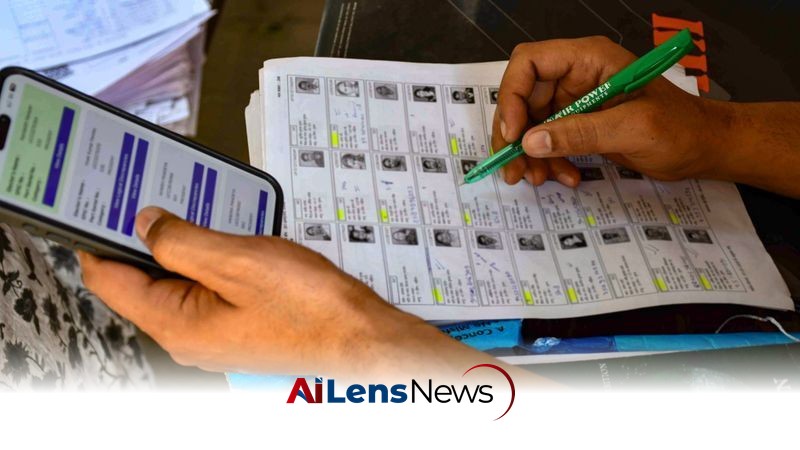


The Election Commission has made it compulsory for new voters to submit their parents' SIR details when filling out Form 6 for electoral rolls.
Leh, India Jul 12, 2026 ALN: The Election Commission has introduced a new requirement for individuals seeking to register as voters. As part of the process, new voters must now provide the SIR (State Identification Registration) details of their parents when filling out Form 6 for inclusion in the electoral rolls. This step marks a significant change in the voter registration landscape, reflecting ongoing efforts to refine and enhance the electoral process in the country.
This directive aims to streamline the voter registration process and enhance the accuracy of the electoral rolls. By linking the registration of new voters to their parents' identification details, the Election Commission hopes to reduce discrepancies and ensure that all entries are valid and verifiable. The initiative is part of a broader strategy to modernize the electoral framework and address longstanding issues related to voter registration accuracy.
The decision to require parental SIR details stems from concerns over the integrity of electoral rolls. In recent years, there have been numerous instances of duplicate registrations, fraudulent entries, and other irregularities that have raised questions about the reliability of the electoral process. By mandating additional verification through parental identification, the Election Commission aims to create a more robust system that can withstand scrutiny and foster public confidence in the electoral process.
For many first-time voters, this requirement may pose a challenge, particularly for those who may not have easy access to their parents' SIR details. This could include young adults who have moved away from home for education or work, individuals from marginalized communities, or those who may not have a stable relationship with their parents. The Election Commission has advised that applicants should ensure they have the necessary information before attempting to register.
Additionally, there may be concerns regarding privacy and the handling of personal data. Parents may be hesitant to share their identification details, raising questions about how this information will be stored and protected by the Election Commission. It is crucial for the Commission to provide clear guidelines on data security measures and to reassure the public that their information will be handled with the utmost care.
It is important for applicants to understand the significance of each step in the registration process. Proper documentation and accurate completion of Form 6 are essential to avoid delays or rejections in the registration process. The Election Commission has indicated that resources will be made available to assist new voters in navigating these requirements, including workshops and informational sessions.
This move is part of a broader initiative by the Election Commission to modernize the electoral process and make it more transparent. By requiring additional verification through parental SIR details, the Commission aims to bolster the integrity of the electoral system. This aligns with global trends in electoral reforms, where many countries are adopting stricter measures to ensure the authenticity of voter registration.
Moreover, the introduction of this requirement is indicative of a shift towards more technology-driven solutions in the electoral process. The Election Commission is likely to explore further enhancements, such as integrating biometric data and leveraging digital platforms for voter registration and verification. These advancements could simplify the registration process while ensuring higher levels of accuracy and security.
As the deadline for voter registration approaches, prospective voters are encouraged to familiarize themselves with these new requirements to ensure their eligibility in upcoming elections. The Election Commission has emphasized the importance of early registration, which allows for any potential issues to be addressed well before election day.
In conclusion, while the new requirement may add an extra step to the voter registration process, it is designed to enhance the overall accuracy and reliability of the electoral rolls, ultimately benefiting the democratic process. The implications of this change extend beyond just registration; they touch on broader themes of electoral integrity, public trust, and the evolving relationship between citizens and their government. As the electoral landscape continues to evolve, it will be essential for all stakeholders to remain engaged and informed about these developments, ensuring that the democratic process remains robust and inclusive for all citizens.
The introduction of the parental SIR requirement is not an isolated development but rather a response to a series of challenges that have plagued voter registration systems globally. Many countries have grappled with issues such as voter fraud, identity theft, and the manipulation of electoral rolls. As a result, electoral commissions worldwide are increasingly adopting measures to enhance the integrity of their voter registration processes. This trend reflects a growing recognition of the importance of secure and trustworthy electoral systems as foundational to democratic governance.
In the context of the country’s electoral history, the Election Commission has faced criticism over the years regarding the accuracy and reliability of voter lists. Various civil society organizations and watchdog groups have highlighted instances where discrepancies in electoral rolls have led to disenfranchisement of eligible voters. The introduction of parental SIR details can be viewed as a proactive step to address these concerns and build a more resilient electoral framework.
While the intention behind requiring parental SIR details is to enhance the integrity of the electoral process, it is essential to consider the potential challenges that may arise. For instance, the requirement may disproportionately affect young voters who have recently become independent and may not have immediate access to their parents’ identification details. This could inadvertently create barriers to participation in the electoral process, particularly among youth from disadvantaged backgrounds.
Moreover, the implementation of this requirement will necessitate robust infrastructure to ensure that the collection and storage of sensitive personal data adhere to privacy laws and regulations. The Election Commission will need to invest in secure systems and protocols to safeguard against data breaches and unauthorized access, which could undermine public trust in the electoral system.
To mitigate potential challenges, a comprehensive public awareness campaign will be crucial. The Election Commission must proactively communicate the rationale behind the new requirement and provide clear instructions on how to comply. This includes outreach to communities that may be less familiar with the voter registration process or those who may face difficulties in gathering the necessary documentation.
Engaging with community organizations, educational institutions, and local leaders can play a vital role in disseminating information and ensuring that all segments of the population are informed about the changes. Additionally, offering assistance through helplines, online resources, and in-person support can help alleviate concerns and facilitate a smoother registration process for new voters.
In the long term, the requirement for parental SIR details may lead to a more comprehensive understanding of voter demographics and trends. By linking voter registrations to parental identification, the Election Commission may be able to gather valuable data on voting patterns and participation rates among different demographic groups. This information could inform future electoral policies and initiatives aimed at increasing voter engagement and addressing disparities in participation.
Furthermore, as technology continues to evolve, the potential for integrating advanced verification methods, such as biometric identification, could further enhance the security and accuracy of voter registration. As these technologies become more widely adopted, they may provide opportunities for more efficient and user-friendly registration processes, ultimately fostering a more engaged and informed electorate.
In summary, the mandate for parental SIR details represents a significant shift in the voter registration process, with the potential to improve the integrity of electoral rolls. However, it is essential to approach this change with careful consideration of its implications, challenges, and the need for public education and engagement. By fostering a transparent and inclusive registration process, the Election Commission can help ensure that all citizens have the opportunity to participate in the democratic process, thereby strengthening the foundations of democracy in the country.
To learn more about the latest developments in Elections, stay updated with our exclusive reports and analyses on AiLensNews.

