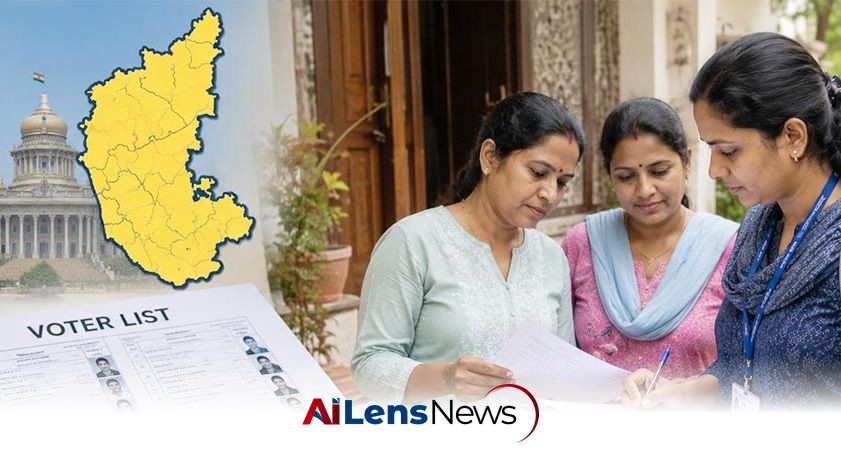


The online self-enumeration process for Karnataka's electoral rolls has gained traction. Key FAQs clarify mobile number usage and submission processes.
New Delhi, India Jul 9, 2026 ALN: The state of Karnataka has recently undertaken a significant initiative known as the Special Intensive Revision (SIR) of electoral rolls, which aims to streamline the voter registration process and ensure that the electoral rolls are accurate and up-to-date. This initiative is particularly crucial as it addresses the need for efficient and transparent electoral practices in a rapidly changing demographic landscape. The SIR initiative is not just a response to the evolving needs of the electorate but also a proactive measure to enhance the integrity and reliability of the electoral system.
The online self-enumeration of voters is a key component of this initiative. It allows citizens to register themselves as voters through an online platform, thereby reducing the need for physical visits to election offices. This digital approach is especially significant in today's fast-paced world, where convenience is paramount. The process began on June 30 and is set to continue until July 29, providing a one-month window for voters to submit their enumeration forms online. As of July 8, the Karnataka Chief Electoral Officer V. Anbukumar reported that over 1.66 lakh voters, accounting for approximately 0.30% of the total eligible voters, had successfully completed their registration online. This early participation indicates a positive response from the public, reflecting a growing awareness of the importance of voter registration and engagement.
Initially, the online self-enumeration process faced technical challenges. Many voters encountered difficulties in accessing the online form, primarily due to discrepancies between their names as listed in the electoral roll and those in their Aadhaar records. These discrepancies could be as minor as extra spaces or punctuation marks between initials, which prevented the system from recognizing the identities of the voters. This situation highlights the critical need for accurate data management within governmental databases, particularly as Aadhaar has become a cornerstone of identity verification in India. In response to these issues, election officials undertook a software update to enhance the system’s flexibility, allowing it to overlook such minor mismatches. However, voters whose names differ significantly between their voter ID and Aadhaar records are still required to submit their forms through offline means, ensuring that the integrity of the voter registry is maintained. This careful approach underscores the importance of accuracy in maintaining electoral rolls, which are foundational to the democratic process.
As part of the SIR initiative, a series of frequently asked questions (FAQs) have been addressed to clarify the online self-enumeration process for voters. One of the most pertinent questions raised by potential voters is whether family members can use the same mobile number for the online enumeration form. The answer to this question is a definitive no. Each voter must utilize a unique mobile number that is linked to their Elector Photo Identity Card (EPIC). This requirement is in place because the online submission process incorporates an Aadhaar-based electronic signature (e-sign), which verifies the identity of the voter through a one-time password (OTP) sent to the registered mobile number. This mechanism is designed to enhance security and ensure that each vote is accounted for accurately, thereby preventing any potential fraud or manipulation. The necessity for unique mobile numbers also emphasizes the importance of individual accountability in the voting process, reinforcing the principle that each citizen's vote is their own.
Another crucial aspect of the process is that the submission of the form online does not complete the registration process. Voters must still inform their Booth Level Officer (BLO) about their online submission. The BLO plays a vital role in verifying the voter's residence and ensuring that all details are correct. Voters are encouraged to share their online reference number with the BLO, as this facilitates the officer's ability to locate the submitted form on the ECINet application. This practice helps prevent duplicate manual entries and ensures that the voter's name is removed from the pending verification list, thereby streamlining the verification process. The role of the BLO is pivotal, as it acts as a bridge between the voters and the electoral authorities, ensuring that the registration process is both efficient and effective.
Furthermore, it is important to note that once the online enumeration form has been submitted, the information contained within it cannot be edited or changed by the BLO. The form is secured digitally through the voter’s Aadhaar-based electronic signature, which adds an additional layer of security and integrity to the registration process. This means that voters must be diligent and accurate when filling out their forms, as any errors could potentially delay their registration or lead to complications in the verification process. This strict policy on editing underscores the need for voters to take the registration process seriously and ensures that the integrity of the electoral rolls is upheld.
The implications of the SIR initiative and the online self-enumeration process extend beyond just voter registration. By modernizing the electoral process, Karnataka aims to increase voter participation, particularly among younger demographics who are more comfortable with digital platforms. The use of technology in voter registration also reflects a broader trend towards digitization in governance, which can enhance transparency and accountability in electoral processes. This modernization is not merely about convenience; it represents a fundamental shift in how citizens interact with the electoral system, making it more accessible and user-friendly.
Moreover, the SIR initiative is particularly relevant in the context of upcoming elections, as it seeks to ensure that the electoral rolls are comprehensive and reflect the current population. Accurate electoral rolls are essential for the functioning of a democracy, as they determine who is eligible to vote and can impact the outcome of elections. Therefore, initiatives like the SIR are critical in fostering a healthy democratic process. The electoral rolls serve as the foundation upon which the legitimacy of elections is built, and any inaccuracies can undermine public trust in the electoral system.
In conclusion, the Karnataka SIR initiative represents a significant step forward in the modernization of voter registration. By addressing technical challenges and providing clear guidelines for voters, the initiative aims to enhance the accuracy of electoral rolls and encourage greater participation in the democratic process. As the deadline for online self-enumeration approaches, it is imperative for eligible voters to take advantage of this opportunity and ensure that they are registered to vote, thereby exercising their fundamental right to participate in the electoral process. The success of this initiative could serve as a model for other states in India, demonstrating how technology can be harnessed to improve electoral processes and strengthen democracy at large.
To learn more about the latest developments in Elections, stay updated with our exclusive reports and analyses on AiLensNews.

