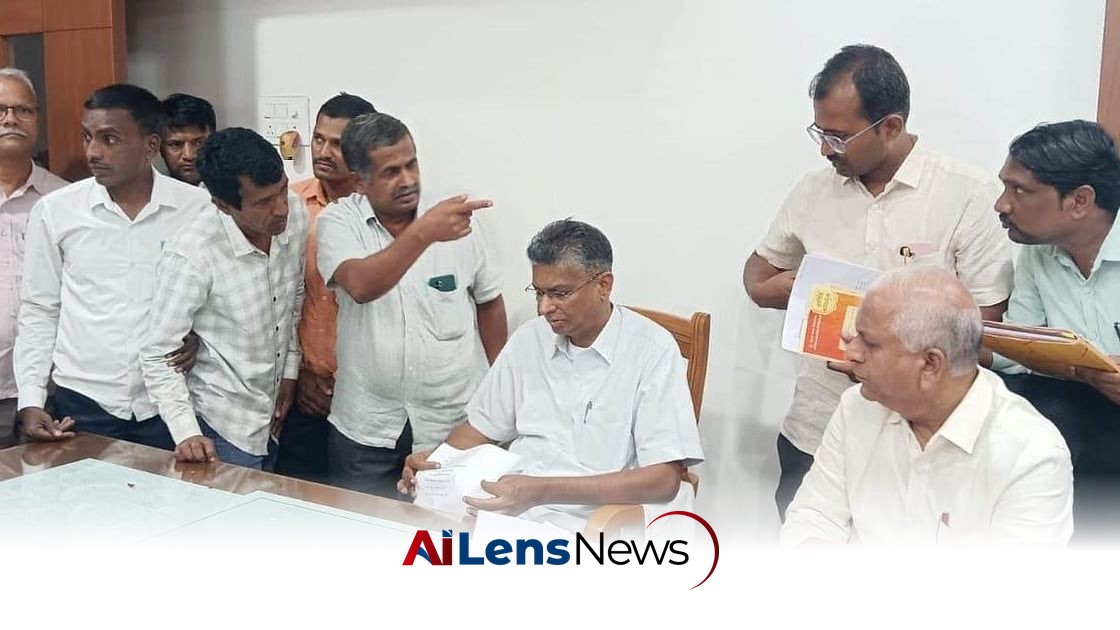


Belagavi District Minister Satish Jarkiholi announced that the Karnataka government is actively evaluating the proposal to create Chikkodi as a separate district.
New Delhi, India Jul 12, 2026 ALN: The proposal to bifurcate the undivided Belagavi district and establish Chikkodi as a separate district has been a topic of discussion for several years among local leaders and constituents. Belagavi, which is one of the largest districts in Karnataka, has seen a growing demand for administrative reorganization due to its diverse population and varying regional needs. The current announcement by Belagavi District In-charge Minister Satish Jarkiholi signifies a potential shift in the administrative landscape of the region, which could have far-reaching implications for governance, resource allocation, and local development.
Historically, the Belagavi district has been a melting pot of cultures and communities, with a rich tapestry of languages and traditions. This diversity has often led to calls for more localized governance to address the unique challenges faced by different segments of the population. By creating a separate Chikkodi district, the government aims to enhance administrative efficiency and responsiveness to the local populace's needs. The push for such a bifurcation stems from the belief that a smaller administrative unit can better cater to the specific requirements of its residents, facilitating more effective governance.
Minister Jarkiholi's comments came during a media interaction following a public grievance session, where he addressed various issues affecting the constituents. The anticipation of significant developments in the Chikkodi district aligns with the Karnataka government's broader objective of enhancing regional governance and development. The bifurcation, if realized, could lead to better infrastructure, improved public services, and a more focused approach to local issues, such as agriculture, education, and healthcare.
The Belagavi district, which encompasses a range of geographical features from urban centers to rural landscapes, has long faced challenges in managing its resources effectively. The creation of a new district like Chikkodi could allow for more tailored policies that reflect the distinct socio-economic dynamics of the area. For instance, local governance could more readily address issues related to land use, water management, and economic development initiatives that are specific to the region's agricultural base.
In his address, Jarkiholi also touched upon the pressing issue of weather conditions affecting the agricultural sector in the region. The inadequate rainfall this season has raised alarms among farmers, many of whom rely heavily on rain-fed agriculture. Crop damage due to below-normal rainfall is a serious concern, as it threatens the livelihoods of countless families in Chikkodi and surrounding areas. The minister's assurance that the government will conduct a joint survey to assess the damage and determine appropriate compensation reflects a commitment to supporting farmers during this challenging time.
While he expressed hope for improved rainfall in the coming days, the reality remains that farmers are already facing significant hardships. The agricultural sector in Karnataka has been grappling with erratic weather patterns in recent years, exacerbated by climate change. This has led to increased vulnerability for farmers, who often find themselves in precarious situations due to fluctuating weather conditions. The government's response, including potential compensation measures, will be crucial in mitigating the impact of these challenges.
In addition to agricultural concerns, the minister was also asked about the political climate in the region, particularly regarding comments made by Karnataka Pradesh Congress Committee (KPCC) President B K Hariprasad. Hariprasad suggested that a meeting of the Rashtriya Swayamsevak Sangh in Belagavi could lead to disturbances. Jarkiholi's decision to refrain from commenting on this matter indicates a cautious approach, emphasizing the need to await further developments before jumping to conclusions. This reflects a broader trend in politics where leaders are increasingly aware of the implications of their statements on communal harmony and political stability.
Moreover, the issue of permanent resident certificates has become a contentious topic, with accusations from the opposition regarding the issuance of these certificates to alleged illegal immigrants. Jarkiholi's firm stance on the legality of the process highlights the government's commitment to upholding established rules and regulations. His challenge to the BJP to provide evidence for their claims underscores the importance of transparency and accountability in governance. The issuance of such certificates is a sensitive issue, as it intersects with broader discussions on immigration, citizenship, and national identity in India.
As the political landscape evolves in Karnataka, the implications of these discussions extend beyond administrative changes. The bifurcation of Belagavi district could set a precedent for other regions in the state, where similar demands for administrative reorganization may arise. Moreover, how the government navigates issues related to agriculture, political tensions, and immigration will likely influence public perception and trust in the ruling party. The potential bifurcation could also serve as a litmus test for the effectiveness of local governance in addressing the complex needs of diverse communities.
In a moment of reflection, Jarkiholi also paid tribute to the late veteran playback singer S Janaki, acknowledging her contributions to the music industry and the cultural fabric of Karnataka. This gesture highlights the importance of cultural icons in shaping regional identity and the collective memory of the people. Such acknowledgments not only resonate with the sentiments of the public but also serve to reinforce the cultural heritage that is integral to Karnataka's identity.
As the government moves forward with the proposal to establish Chikkodi as a separate district, it will be essential to engage with local stakeholders, including farmers, community leaders, and political representatives, to ensure that the needs and aspirations of the people are adequately addressed. The outcome of this proposal could redefine the administrative boundaries of Belagavi district and set the stage for future governance models in Karnataka. The involvement of local voices in the decision-making process will be crucial in fostering a sense of ownership and accountability among residents.
In conclusion, the Karnataka government's consideration of the Chikkodi district proposal is a significant development that reflects ongoing dialogues around governance, regional identity, and socio-economic challenges. The implications of this decision will resonate throughout the region, influencing not only administrative efficiency but also the lives of the citizens who call Chikkodi and Belagavi home. As the state navigates these complex issues, the commitment to responsive governance will be tested, and the outcomes will likely shape the future trajectory of political and administrative reforms in Karnataka.
To learn more about the latest developments in Political Controversies, stay updated with our exclusive reports and analyses on AiLensNews.

