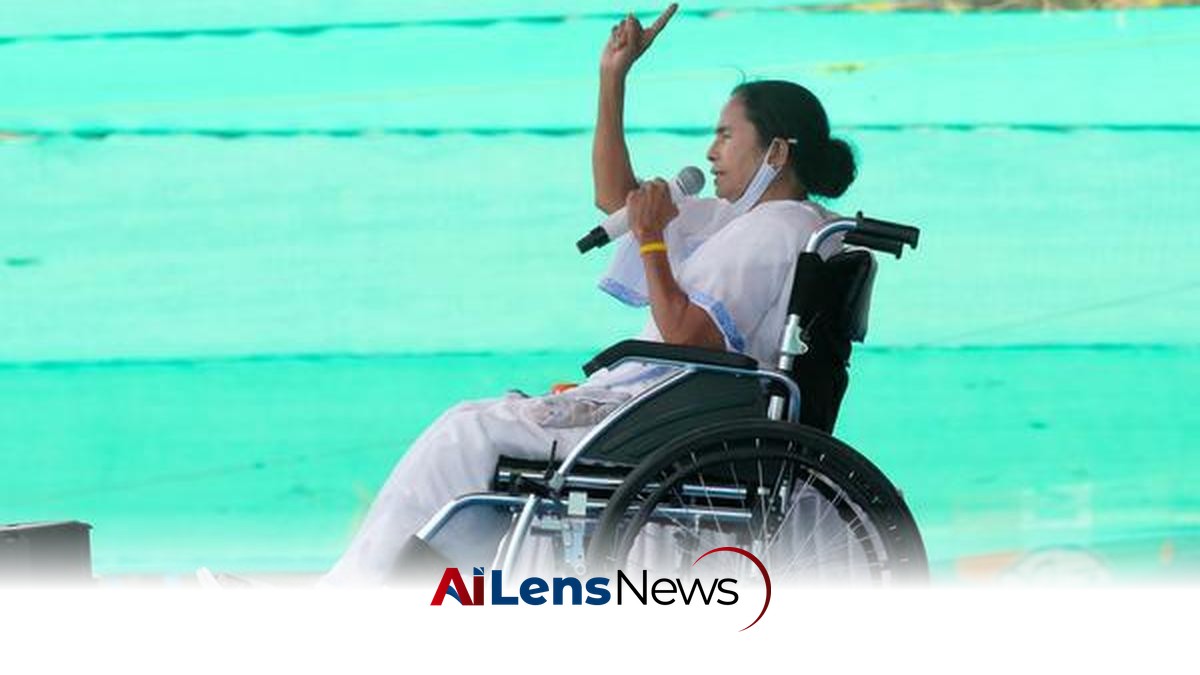


West Bengal Chief Minister Mamata Banerjee has been banned from campaigning for 24 hours due to violations of the Model Code of Conduct during the ongoing assembly elections.
Chandigarh, India Apr 12, 2021 ALN: The Election Commission of India (ECI) has imposed a 24-hour campaigning ban on Mamata Banerjee, the Chief Minister of West Bengal and the chairperson of the All-India Trinamool Congress (AITC). This decision was made in light of her recent statements, which the ECI deemed violations of the Model Code of Conduct (MCC), a set of guidelines intended to ensure free and fair elections in the country.
The MCC is critical during elections, as it outlines the behavior expected from political parties and candidates to maintain the integrity of the electoral process. The guidelines prohibit candidates from making communal or divisive statements, and they are expected to refrain from using language that could incite violence or disrupt public order. The ECI's ruling against Banerjee underscores the importance of these regulations in maintaining a level playing field during elections.
This ban was prompted by Banerjee's allegations against Central forces, which she claimed were being used to intimidate voters, particularly in minority communities. In her campaign speeches, she urged these voters to remain united and not let their votes be divided by what she referred to as the "devil person," suggesting that certain individuals had been paid by the Bharatiya Janata Party (BJP) to undermine their electoral power.
The Election Commission had already issued notices to Banerjee for her comments made on April 7 and April 8. In the notice from April 7, the ECI expressed concern over her remarks that appeared to target voters based on their religious identity. In response, Banerjee argued that her intentions were to promote harmony among different religious groups and that she did not seek to influence voters along sectarian lines.
However, the ECI maintained that her defense was insufficient, indicating that she had selectively quoted parts of her speeches to justify her statements. This selective representation of her comments raised alarms about the potential implications of her rhetoric on the communal fabric of West Bengal, a state with a historically diverse population. The ECI's concern is rooted in the state's complex socio-political landscape, where communal tensions can easily be exacerbated by provocative language.
On April 8, Banerjee made further remarks during a rally in Cooch Behar, where she encouraged women to "gherao" Central Armed Police Force (CAPF) personnel if they encountered any disturbances while voting. The term "gherao" refers to a form of protest where individuals encircle a person or group to express dissent. Banerjee defended her language, asserting that it was a call for peaceful protest against any perceived obstruction to voters' rights.
Despite her defense, the ECI argued that her comments were inflammatory and could lead to unrest. They noted that she had omitted significant portions of her speeches in her defense, suggesting a lack of transparency in her statements. The ECI's ruling emphasized that her remarks not only violated the MCC but also contravened the provisions of the Representation of the People Act, 1951, and the Indian Penal Code, which govern electoral conduct and public order.
The implications of this ban are significant, particularly given the context of the ongoing West Bengal elections, which are being conducted in multiple phases. The fifth phase of voting is scheduled for April 17, and the ECI's decision comes at a crucial time when candidates are ramping up their campaigning efforts to mobilize voters. The timing of the ban could hinder Banerjee's ability to reach her constituents effectively, especially as the election date approaches.
Banerjee's political career has been marked by her strong stance against the BJP, which has been gaining ground in West Bengal in recent years. Her comments regarding the Central forces can be seen as part of a broader narrative that she has constructed to rally support among her base, particularly in light of the BJP's increasing influence in the state. The ECI's intervention may impact her ability to connect with voters during this critical phase of the election cycle.
Moreover, the ban raises questions about the balance between free speech and the need to maintain public order during elections. Political leaders often navigate a fine line between mobilizing their base and adhering to the regulations set forth by the ECI. The implications of this ban on Banerjee's campaign strategy and the overall electoral landscape in West Bengal will be closely monitored as the election progresses. The ECI's actions serve as a reminder of the challenges faced by political leaders in a highly charged electoral environment.
The ECI's decision to impose a ban on Banerjee is not an isolated incident; it reflects a broader trend of increasing scrutiny of political rhetoric in India, especially in the context of communal tensions and electoral integrity. The commission has been proactive in addressing potential violations of the MCC, which has become increasingly important in an era where social media amplifies political messages and can lead to rapid dissemination of divisive content.
In conclusion, the 24-hour campaigning ban imposed on Mamata Banerjee serves as a reminder of the Election Commission's role in upholding the integrity of the electoral process. As the West Bengal elections continue, the actions of political leaders, their rhetoric, and the responses from regulatory bodies will shape the dynamics of the political landscape in the state. The outcome of this election could have lasting implications for the future of West Bengal politics, particularly in the context of the ongoing rivalry between the Trinamool Congress and the BJP. The interplay between political strategy, public sentiment, and regulatory oversight will be crucial in determining not just the results of the elections, but also the future trajectory of governance in West Bengal.
To learn more about the latest developments in Elections, stay updated with our exclusive reports and analyses on AiLensNews.

