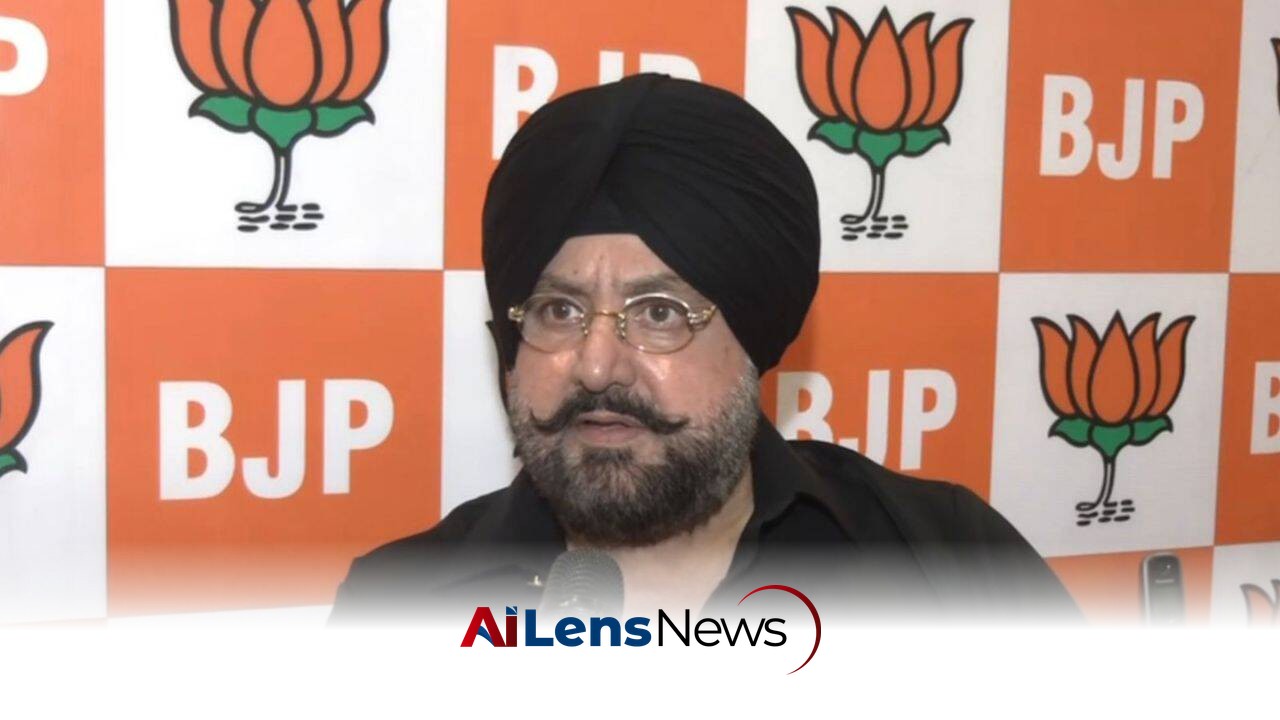


BJP leader Bajwa claims Congress is struggling with internal issues, jeopardizing its chances in the 2027 elections.
New Delhi, India Jul 12, 2026 ALN: The political landscape in Punjab has been increasingly tumultuous as the state gears up for the 2027 elections. A recent statement by Bajwa, a leader from the Bharatiya Janata Party (BJP), has brought attention to the internal divisions within the Congress party, which has been a dominant political force in the region historically. Bajwa's assertion that Congress is unlikely to be a serious contender in the upcoming elections raises critical questions about the party's future and its electoral strategy.
Bajwa's criticisms are particularly pointed, highlighting concerns that Congress may struggle to maintain its eighteen seats in the Punjab Assembly. This assertion is significant, considering the historical context of Congress's influence in Punjab politics. The party has faced various challenges in recent years, including shifts in public sentiment and the rise of regional parties, which have complicated its standing in the state. The Congress party has traditionally been seen as a bastion of power in Punjab, having ruled the state for several decades since ’s independence. However, the political environment has shifted dramatically over the years.
In the last two decades, Punjab has seen the emergence of regional parties, notably the Aam Aadmi Party (AAP) and the Shiromani Akali Dal (SAD), which have significantly altered the political dynamics. The AAP, in particular, has made significant inroads in Punjab, capitalizing on local issues and discontent with traditional parties. This shift has not only fragmented the voter base but has also led to a decline in Congress's influence, which has historically relied on a strong organizational structure and a loyal voter base.
Internal strife within Congress has been a recurring theme, with allegations from various party leaders suggesting that there have been compromises made with the current state government. This has led to a perception of weakness and disunity within the party ranks, which could be detrimental as they prepare for the electoral battle ahead. The implications of such infighting extend beyond mere electoral outcomes; they can affect party morale, public perception, and overall effectiveness in governance. Disunity within the party can lead to voter apathy, as potential supporters may question the party's ability to govern effectively if they cannot maintain cohesion within their ranks.
Despite the criticisms from Bajwa and the concerns raised about internal divisions, Congress officials have been quick to deny any significant factionalism within their ranks. They emphasize a commitment to unity, arguing that presenting a cohesive front is essential for their electoral success. This insistence on unity is not just a rhetorical strategy; it reflects a recognition of the challenges posed by rival parties, particularly the BJP, which has been actively working to expand its influence in Punjab. The BJP's strategy has included outreach programs aimed at various demographic groups, including farmers, youth, and women, which could further complicate Congress's efforts to regain ground.
The BJP's growing presence in Punjab is noteworthy. Historically, the party has struggled to gain a foothold in the state, which has been dominated by regional parties and Congress. However, the changing political dynamics, including shifts in voter demographics and attitudes, have allowed the BJP to gain traction. The party has been focusing on issues such as development, governance, and national security, which resonate with a segment of the electorate that is increasingly looking for alternatives to traditional parties. Bajwa's comments can be seen as part of a broader strategy to capitalize on Congress's internal challenges while reinforcing the BJP's narrative of being a viable alternative in Punjab.
Moreover, Bajwa's caution regarding the presence of compromised leaders within Congress highlights a strategic concern for the party. The effectiveness of leadership and the ability to address internal divisions are crucial factors that can influence electoral outcomes. As voters increasingly seek transparency and accountability, the ability of Congress to project a strong, unified leadership could be pivotal in determining their success in the elections. The party's leadership must not only manage internal dissent but also present a clear and compelling vision for the future of Punjab to win back the trust of the electorate.
As the political environment in Punjab continues to evolve, the dynamics within the Congress party will undoubtedly be under close scrutiny. The upcoming elections represent a critical moment for both Congress and the BJP, as they vie for influence in a state that has historically been a stronghold for the former. The implications of these elections extend beyond Punjab; they could serve as a barometer for national political trends and voter sentiment across . A significant shift in Punjab's political landscape could signal broader changes in voter behavior, particularly as the country approaches the 2024 national elections.
The electoral battle in Punjab will likely revolve around key issues such as agricultural policies, economic development, and social justice, all of which resonate deeply with the electorate. The farmers' protests, which gained national attention in recent years, have also shaped voter perceptions and priorities. As parties prepare their campaigns, the ability to address these issues effectively will be crucial in swaying voters. The BJP's positioning as a party that champions development and governance will be tested against Congress's historical legacy and the AAP's grassroots appeal.
In conclusion, Bajwa's critique of Congress amid allegations of infighting raises significant questions about the party's preparedness for the 2027 elections. The challenges posed by internal divisions, coupled with the BJP's strategic positioning, create a complex electoral landscape. How Congress navigates these internal challenges and projects unity will be pivotal to its electoral strategy. As the election date approaches, the focus will remain on both parties as they attempt to consolidate their strengths and address the concerns of the electorate in Punjab. The outcome of the 2027 elections will not only determine the future of Congress and the BJP in Punjab but could also have lasting implications for the political fabric of the state and its role in the national political arena.
To learn more about the latest developments in Political Controversies, stay updated with our exclusive reports and analyses on AiLensNews.

