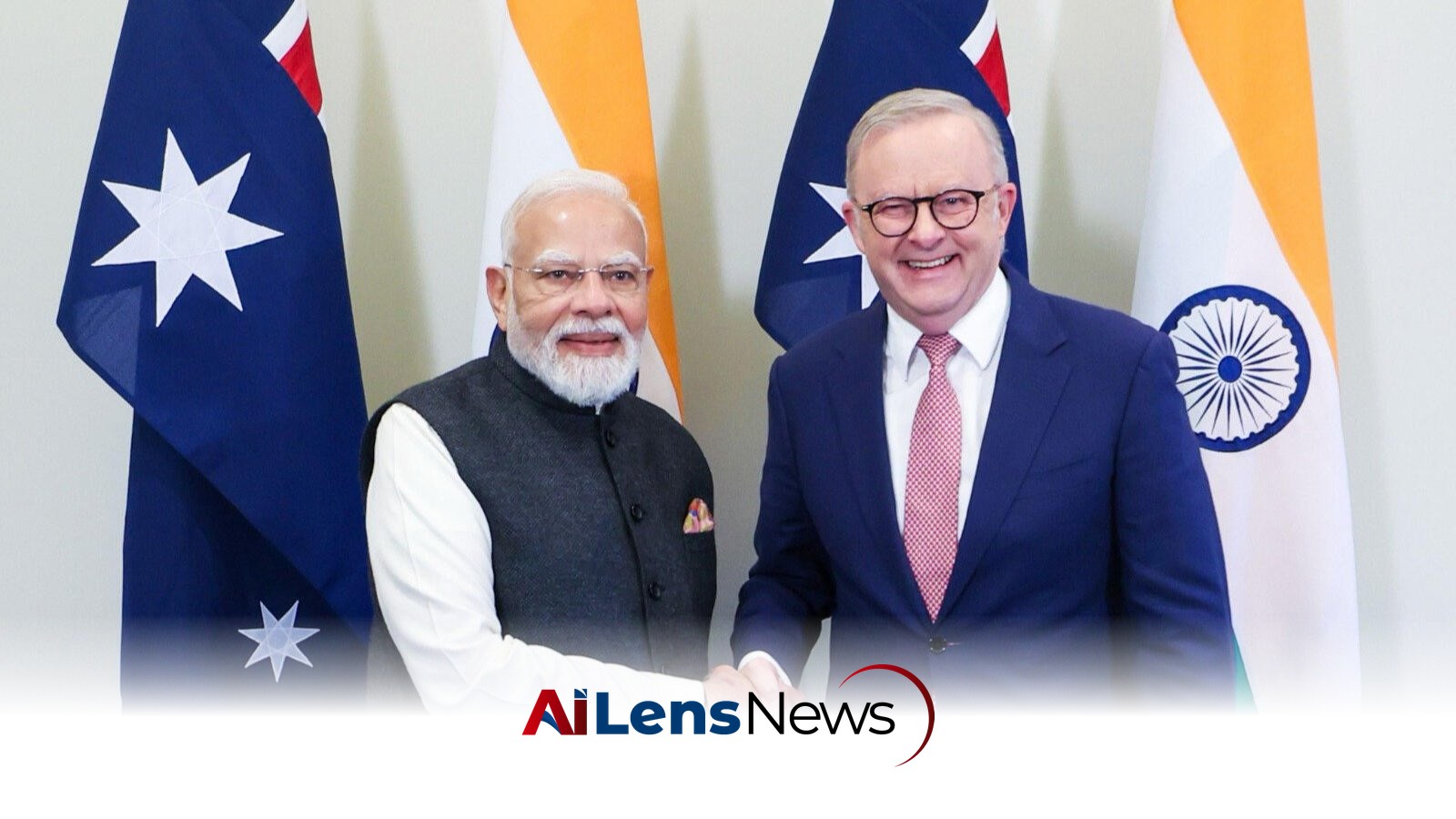


PM Narendra Modi highlights the vital role of the n diaspora in enhancing global manufacturing, describing them as 'sugar in milk'.
New Delhi, India Jul 10, 2026 ALN: In a recent address, Prime Minister Narendra Modi emphasized the importance of the n diaspora in fostering a robust manufacturing ecosystem across the globe. He likened their contributions to being 'sugar in milk', suggesting that their presence enriches their adopted countries. This metaphor highlights the significant role that the n community plays not only in the economic landscape but also in cultural exchanges and strengthening international ties.
Modi's remarks came during a discussion focused on the evolution of manufacturing sectors, particularly in technology and shipping. He noted that the n community abroad plays a crucial role in bridging cultural and economic gaps, thereby enhancing n's global standing. The diaspora, composed of millions of ns living and working in various parts of the world, serves as a vital link between n and other nations, facilitating trade, investment, and innovation.
The Prime Minister pointed out that the collaboration between n and other nations in manufacturing is essential for mutual growth. In an increasingly interconnected world, the ability to forge partnerships across borders is critical for economic resilience and competitiveness. Modi highlighted various initiatives aimed at creating a conducive environment for investment and innovation, which are pivotal for establishing a sustainable manufacturing ecosystem.
These initiatives are part of a broader strategy to position n as a global manufacturing hub. By leveraging its demographic dividend—an abundance of young, skilled workers—n aims to attract foreign direct investment (FDI) and promote exports. The government's focus on manufacturing is not only about economic growth; it is also about enhancing national security by reducing dependence on imports.
Modi's vision includes not only enhancing manufacturing capabilities but also ensuring that these advancements benefit the wider community. He expressed optimism about the future, stating that the collaboration between n and its diaspora will lead to significant advancements in various sectors. This collaboration can take many forms, including joint ventures, technology transfers, and shared research and development efforts. The diaspora's experience and networks can facilitate access to new markets and technologies, which are crucial for n's economic transformation.
The role of the n diaspora in this context cannot be overstated. With a presence in over 200 countries, the diaspora represents a diverse pool of talent and resources. Many members of the diaspora have achieved significant success in their respective fields, including technology, finance, and academia. Their experiences and insights can provide valuable guidance for policymaking and business strategies in n.
Moreover, the diaspora often serves as informal ambassadors for n, promoting its culture, values, and business opportunities abroad. This cultural diplomacy can help to enhance n's soft power, making it a more attractive destination for investment and tourism. By fostering a sense of pride and connection among ns living abroad, the government can encourage them to contribute back to their homeland, whether through remittances, investments, or knowledge sharing.
While the prospects for growth in the manufacturing sector are promising, there are challenges that need to be addressed. Issues such as infrastructure deficits, regulatory hurdles, and the need for sustainable practices must be tackled to create an environment conducive to manufacturing. The government has recognized these challenges and is working to implement reforms that will streamline processes and improve the overall business climate.
Additionally, the global landscape for manufacturing is rapidly changing. The COVID-19 pandemic has highlighted vulnerabilities in global supply chains, prompting many companies to reconsider their sourcing strategies. This presents an opportunity for n to position itself as a reliable partner in manufacturing, particularly for companies looking to diversify their supply chains.
Furthermore, the shift towards sustainability has become increasingly relevant in the manufacturing sector. As global consumers become more environmentally conscious, manufacturers are pressured to adopt sustainable practices. This trend can serve as both a challenge and an opportunity for n. By investing in green technologies and sustainable manufacturing processes, n can not only meet global standards but also attract environmentally conscious investors.
As n continues to strengthen its manufacturing ecosystem, the role of the diaspora remains pivotal. Their contributions are not only vital for economic growth but also for fostering a sense of unity and shared purpose among ns worldwide. The collaboration between the government, the diaspora, and the private sector will be essential in overcoming challenges and seizing opportunities in the global manufacturing landscape.
Ultimately, Modi's vision for a robust manufacturing ecosystem is not just about economic metrics; it is about building a resilient and inclusive society where every citizen can participate in and benefit from the country's growth story. By leveraging the strengths of the diaspora and implementing strategic initiatives, n is poised to emerge as a leader in the global manufacturing arena.
In summary, the Prime Minister's address underscores a multi-faceted approach to manufacturing that is deeply intertwined with the diaspora's potential. By recognizing the diaspora's role not merely as a source of remittances but as a strategic partner in economic development, n can harness this resource to address both current challenges and future opportunities. The emphasis on initiatives like Make in, Digital, and Skill indicates a commitment to creating a holistic manufacturing environment that prioritizes innovation, sustainability, and inclusivity.
As the global economy continues to evolve, the focus on building a strong manufacturing ecosystem will be crucial for n's long-term competitiveness. By fostering collaboration between the government, the diaspora, and the private sector, n can navigate the complexities of the global market and emerge as a key player in the manufacturing domain. The journey towards becoming a manufacturing powerhouse is not without its hurdles, but with a strategic vision and collaborative efforts, n can turn these challenges into opportunities for growth and development.
To learn more about the latest developments in Policies & Reforms, stay updated with our exclusive reports and analyses on AiLensNews.

