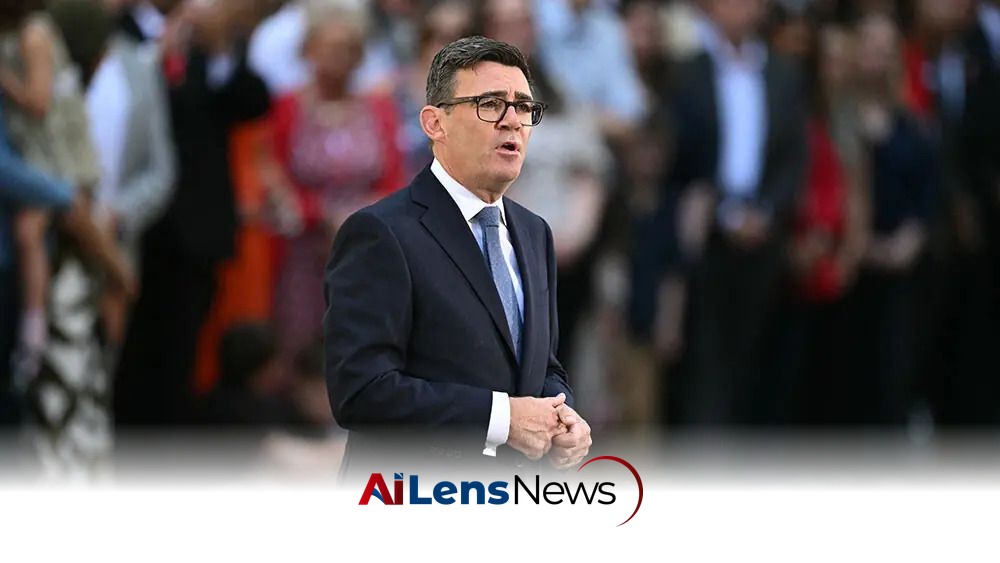


In his first major policy move, UK PM Andy Burnham unveils an energy tax cut aimed at reducing living expenses for households, effective October 1.
Islamabad, Pakistan Jul 22, 2026 ALN: UK Prime Minister Andy Burnham announced an energy tax cut on Tuesday as he pledged to lead a government focused on reducing living costs. This decision represents a significant policy initiative and comes at a time when many households in the UK are grappling with rising expenses across various sectors, including energy, housing, and transportation. Burnham's announcement is particularly notable as it marks his first major policy decision since taking office, signaling his administration's priorities in addressing the pressing economic challenges facing the nation.
In his address to the cabinet, Burnham emphasized the urgent need for the government to provide relief to citizens who are struggling with the financial burden of increasing costs. He stated that ministers should explore all possible measures to alleviate the cost of living, highlighting a commitment to prioritize the welfare of the public in his governance. This approach aligns with the broader political discourse around economic support and welfare, particularly in the context of the ongoing recovery from the economic impacts of the COVID-19 pandemic, which has left many families in precarious financial situations.
According to the government’s announcement, electricity bills will become exempt from value-added tax (VAT) starting October 1. This measure is anticipated to save the average household approximately £45 annually, which, while modest, could provide some relief to families facing financial strain. The VAT exemption is a strategic move that aims to directly address one of the most significant expenses for households—energy costs—especially as energy prices have seen substantial increases in recent years due to various factors, including global market fluctuations and geopolitical tensions affecting energy supply. The rising cost of energy has been a major concern for households, with many families having to allocate a larger portion of their budgets to cover these expenses, often at the expense of other essential needs.
However, the implementation of this tax reduction is not without its financial implications. The government has indicated that the tax cut will cost around £850 million during the current financial year. This figure raises questions about the sustainability of such fiscal measures, particularly in an environment where public finances are already under strain. To fund this initiative, officials have stated that the money will come from cancelling former Prime Minister Keir Starmer’s planned digital identity scheme. This cancellation has sparked a debate about the trade-offs involved in government spending and the prioritization of resources, especially in light of the potential benefits that the digital identity scheme could have provided in terms of streamlining public services and enhancing security in identity verification. Critics argue that sacrificing a long-term investment for short-term relief could undermine future technological advancements in public administration.
Former minister Darren Jones has publicly questioned the government’s funding plan, suggesting that there needs to be greater transparency regarding how the administration intends to manage its finances while implementing new policies. This scrutiny reflects a broader concern among political observers and constituents about the fiscal responsibility of the government, particularly given the context of rising national debt and public borrowing costs. Burnham, in response to these concerns, has assured the public that his administration will demonstrate how it plans to finance its initiatives without compromising fiscal integrity. The emphasis on transparency is crucial in maintaining public trust, especially in an era where economic uncertainty has led to heightened scrutiny of government spending and policy decisions.
In addition to the energy tax cut, Burnham is contemplating further measures aimed at addressing the cost of living crisis. These include the potential introduction of rent controls, which could help stabilize housing costs for renters, and limits on bus fares, making public transportation more affordable. Such measures would likely be welcomed by constituents who have been adversely affected by the rising costs of housing and travel. The affordability of housing has been a persistent issue in the UK, with many families struggling to find suitable accommodation within their budgets. Rent controls could provide immediate relief for tenants, but they also raise questions about the long-term impact on the housing market and the availability of rental properties. Burnham’s commitment to a 10-year plan focused on industrial growth, public housing, and greater regional decision-making reflects a long-term vision for economic development that seeks to empower local communities and foster sustainable growth.
The new prime minister faces significant economic challenges as he embarks on his tenure. High borrowing costs, which have been exacerbated by inflationary pressures and monetary policy adjustments by the Bank of England, pose a substantial hurdle for the government. Additionally, public debt pressures have been mounting, necessitating careful management of public finances. Welfare spending concerns are also prevalent, as many citizens rely on government support amid economic uncertainty, raising questions about the adequacy of current welfare provisions and the necessity for reforms. The balance between providing immediate relief and ensuring long-term fiscal health will be a critical test for Burnham’s administration.
Moreover, Burnham’s administration is under political pressure as the next general election is expected in 2029. The political landscape is dynamic, and as economic conditions evolve, so too will the public's expectations of their government. Burnham’s ability to navigate these challenges effectively will be crucial in determining his administration's success and the public's perception of his leadership. The effectiveness of his policies, particularly those aimed at reducing living costs, will likely play a pivotal role in shaping the political discourse leading up to the election. A successful implementation of these initiatives could bolster Burnham's standing with voters, while any perceived failures could lead to significant political repercussions.
In conclusion, Prime Minister Andy Burnham's announcement of an energy tax cut is a significant step in addressing the cost of living crisis in the UK. While the immediate financial relief for households is welcomed, the broader implications of funding such initiatives and the sustainability of government spending remain critical points of discussion. Burnham's administration will need to balance fiscal responsibility with the urgent needs of the populace while also preparing for the political challenges that lie ahead in the coming years. The decisions made in the coming months will undoubtedly shape the future economic landscape of the UK and the well-being of its citizens.
To learn more about the latest developments in Elections, stay updated with our exclusive reports and analyses on AiLensNews.

