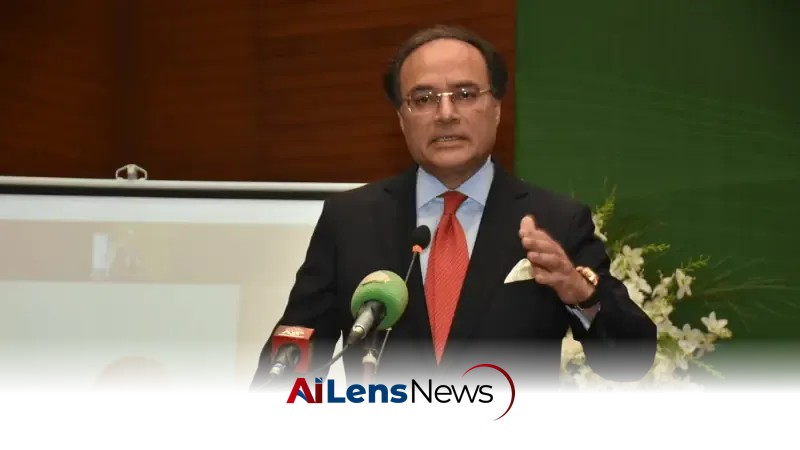


Finance Minister Muhammad Aurangzeb arrives in Washington for a three-day visit to discuss trade, finance, and investment with US officials.
Islamabad, Pakistan Jul 19, 2026 ALN: Finance Minister Muhammad Aurangzeb arrived in Washington on Saturday evening for a three-day visit during which he is expected to hold talks with US officials on trade, finance, and investment. This visit is significant as it comes at a time when Pakistan is navigating complex economic challenges and seeking to strengthen its economic ties with the United States, one of its largest trading partners.
Pakistan and the United States will resume negotiations on Monday on a broader bilateral economic partnership, diplomatic sources reported. The resumption of these talks is crucial as both nations aim to enhance their economic relationship, which has historically been influenced by geopolitical factors, security concerns, and economic interests. The discussions are anticipated to lay the groundwork for future collaboration and economic integration.
During his visit, Aurangzeb is scheduled to meet officials from the Office of the United States Trade Representative (USTR), the US Export-Import Bank, the US International Development Finance Corporation (DFC), and the International Monetary Fund (IMF), sources said. These meetings are pivotal as they will address various aspects of the economic relationship, including trade policies, financial assistance, and investment opportunities.
A key focus of the visit will be discussions on the framework for a potential bilateral trade agreement aimed at expanding trade and investment between the two countries. The talks are expected to cover tariffs, market access, investment opportunities, and broader economic cooperation. A bilateral trade agreement has the potential to facilitate smoother trade flows, reduce barriers, and create a more predictable environment for businesses operating in both countries.
Meetings with the Exim Bank and the DFC are also expected to explore avenues for financing infrastructure, energy, and private-sector investment projects in Pakistan. Infrastructure development is a critical area for Pakistan, which has been grappling with issues related to energy shortages, transportation inefficiencies, and urban development. Securing financing from US institutions could help address these challenges and stimulate economic growth.
Aurangzeb’s visit comes as Pakistani and US officials continue negotiations over the global tariff regime announced by US President Donald Trump on April 2, 2025, under the International Emergency Economic Powers Act (IEEPA), which initially imposed a 29 percent tariff on Pakistani exports. The high tariff rate prompted significant concern among Pakistani exporters, as it threatened to undermine Pakistan's competitiveness in the US market, which is vital for its economy.
A Pakistani delegation that visited Washington in July 2025 succeeded in persuading US officials to reduce the proposed tariff from 29 percent to 19 percent. This reduction was a significant diplomatic achievement for Pakistan, reflecting the effectiveness of its engagement with US policymakers. However, the ongoing tariff negotiations highlight the fragility of trade relations and the need for continuous dialogue to address trade barriers.
The tariff landscape has since changed following a US Supreme Court ruling earlier this year that invalidated the IEEPA-based tariffs. In response, the Trump administration invoked Section 122 of the Trade Act to impose a temporary global tariff of 10 percent, which is due to expire on July 24 after the statutory 150-day period. This temporary measure has implications for various countries, including Pakistan, as it attempts to navigate the evolving trade environment.
Pakistan is also among nearly 60 countries facing USTR investigations under Section 301 over alleged forced labor and related trade practices. This scrutiny stems from increasing global concerns about labor rights and ethical sourcing. Islamabad has submitted detailed responses to the USTR, including an additional submission this week ahead of the latest negotiations. The outcome of these investigations could lead to further tariffs or restrictions, which would have a direct impact on Pakistan's export economy.
Under the ongoing Section 301 process, Pakistan faces a proposed additional tariff of 10 percent, while India and 53 other countries are subject to proposed tariffs of 12.5 percent. Public hearings before the USTR are continuing, and the decisions made in these hearings could reshape the trade dynamics between the US and Pakistan. The stakes are high, as any unfavorable outcomes could exacerbate Pakistan's economic challenges and affect its foreign exchange reserves.
Beyond tariffs, both sides are also expected to discuss measures to expand bilateral trade and investment. This includes exploring sectors where both countries can benefit from increased cooperation, such as technology, agriculture, and renewable energy. The potential for collaboration in these areas is significant, given the US's technological advancements and Pakistan's need for sustainable development solutions.
Aurangzeb last visited Washington in April to attend the IMF and World Bank Spring Meetings, where he held more than 50 meetings with international financial institutions, investors, and rating agencies to present Pakistan’s economic reform program and efforts to restore macroeconomic stability. These engagements are part of Pakistan's broader strategy to regain investor confidence and attract foreign direct investment, which is crucial for economic recovery.
During that visit, he briefed investors on Pakistan’s plans to return to international capital markets through Panda Bonds and Eurobonds after several years. The issuance of these bonds is seen as a positive step toward diversifying Pakistan's funding sources and improving its fiscal position. Aurangzeb also met US Treasury officials and representatives of multilateral institutions to discuss Pakistan’s response to the economic impact of regional tensions and volatility in global energy markets caused by the conflict involving Iran.
In summary, Finance Minister Aurangzeb's visit to Washington is a critical opportunity for Pakistan to engage with US officials on pressing economic issues, including trade tariffs, investment opportunities, and broader economic cooperation. The outcomes of these discussions could have significant implications for Pakistan's economic trajectory and its relationship with the United States, highlighting the importance of sustained diplomatic engagement in navigating complex economic landscapes.
To learn more about the latest developments in Political History & Legacy, stay updated with our exclusive reports and analyses on AiLensNews.

