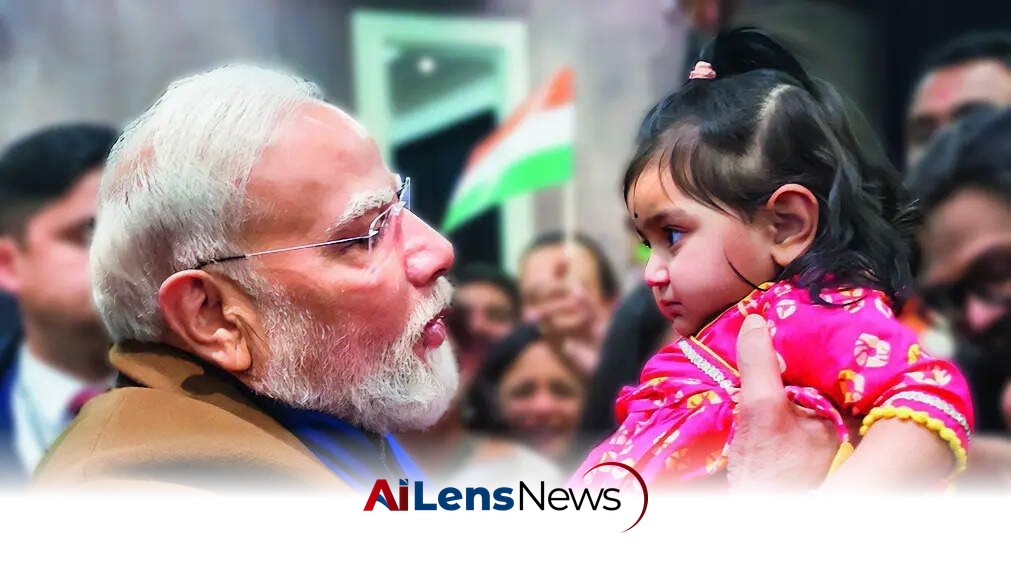


Prime Minister Modi's visit to New Zealand marks a historic moment as he seeks to enhance bilateral relations through a Free Trade Agreement and other key initiatives.
New Delhi, India Jul 11, 2026 ALN: Prime Minister Narendra Modi is set to make history as the first n Prime Minister to visit New Zealand in 40 years. This landmark visit aims to strengthen bilateral relations, focusing on a Free Trade Agreement (FTA) and various collaborative initiatives. The significance of this visit cannot be overstated, as it represents a renewed commitment to fostering closer ties between and New Zealand, two democracies that share common values and interests.
The visit comes at a crucial time as both nations look to enhance their economic and strategic ties. The proposed FTA is expected to open new avenues for trade, benefiting both economies significantly. Currently, trade between and New Zealand stands at approximately $2 billion, covering a range of sectors including education, agriculture, and technology. An FTA could potentially double this figure, creating new jobs and opportunities for businesses in both countries.
New Zealand has been actively seeking to diversify its trade relationships, particularly in the wake of changing global trade dynamics. The COVID-19 pandemic highlighted vulnerabilities in global supply chains, prompting countries to reassess their trade dependencies. For , enhancing trade with New Zealand is part of a broader strategy to strengthen its presence in the Asia-Pacific region. This aligns with 's Act East Policy, which aims to deepen economic and strategic ties with countries in East Asia and the Pacific.
The potential FTA is expected to reduce tariffs on a variety of goods, making n products more competitive in the New Zealand market. Conversely, New Zealand's agricultural exports, particularly dairy and meat products, could see increased access to the n market. This reciprocal arrangement could lead to a significant boost in trade volumes, benefiting farmers and businesses in both nations.
One of the key areas of discussion during Modi's visit will be defence and security cooperation. Both countries are keen on collaborating to address regional security challenges and enhance their defence capabilities. New Zealand has historically maintained a non-nuclear stance and has focused on peacekeeping and humanitarian missions. However, the growing influence of China in the Indo-Pacific has prompted nations like New Zealand to reassess their defence partnerships.
, on the other hand, has been enhancing its military capabilities and expanding its strategic partnerships in the region. The discussions during Modi's visit are likely to include joint military exercises, intelligence sharing, and capacity building in areas such as cyber security and counter-terrorism. Such collaborations could lead to a more secure and stable Indo-Pacific region, benefiting both nations.
The changing security landscape in the Indo-Pacific has led to increased cooperation among like-minded countries. New Zealand's interest in strengthening its defence ties with reflects a broader trend of countries in the region forming alliances to counterbalance China's growing assertiveness. This visit could also pave the way for New Zealand to participate in joint initiatives with and other partners, enhancing collective security efforts.
Another important agenda item is talent mobility. Modi's government aims to facilitate the movement of skilled professionals between and New Zealand, fostering a deeper cultural and economic exchange. New Zealand has been a popular destination for n students and professionals, contributing significantly to the country's economy. The n diaspora in New Zealand is one of the fastest-growing communities, with a rich cultural heritage that enhances the multicultural fabric of New Zealand society.
Facilitating talent mobility can lead to greater innovation and collaboration in various sectors, including technology, healthcare, and education. By allowing skilled workers to move more freely between the two countries, both nations stand to benefit from the exchange of ideas and expertise. This could also help address skill shortages in certain sectors, particularly in New Zealand, where there is a growing demand for skilled labour.
Moreover, initiatives aimed at recognizing qualifications and credentials will be crucial for ensuring that skilled migrants can effectively contribute to the workforce in their new country. The potential for n professionals to fill gaps in New Zealand's labour market could lead to enhanced productivity and economic growth for both nations.
As Modi embarks on this historic journey, the focus will not only be on economic partnerships but also on building a long-lasting friendship between the two nations. The outcomes of this visit could set the tone for future collaborations and mutual growth. The n government has expressed its commitment to enhancing ties with New Zealand, viewing it as a key partner in the Asia-Pacific region.
In addition to the economic and security discussions, cultural exchanges will also play a significant role in strengthening bilateral relations. Initiatives such as student exchange programs, cultural festivals, and joint research projects can foster a deeper understanding and appreciation of each other's cultures. This people-to-people connection is vital for building trust and goodwill between nations.
Furthermore, the visit comes at a time when global geopolitical dynamics are shifting. With increasing competition in the Indo-Pacific region, both and New Zealand are looking to strengthen partnerships with like-minded countries. This visit could also serve as a platform for discussing broader regional issues, including climate change, sustainable development, and economic resilience.
Climate change, in particular, is a pressing issue that both nations are keen to address. New Zealand has been a vocal advocate for climate action, and 's commitment to sustainable development aligns with this focus. Collaborative efforts in renewable energy, conservation, and sustainable practices can not only enhance bilateral relations but also contribute positively to global efforts in combating climate change.
In conclusion, Prime Minister Modi's visit to New Zealand is a significant step towards enhancing bilateral ties, with a strong emphasis on trade, defence, and people-to-people connections. As both nations navigate the complexities of the 21st century, this visit represents an opportunity to reinforce their commitment to shared values and mutual interests. The implications of this visit could resonate for years to come, shaping the future of -New Zealand relations in a rapidly changing global landscape.
To learn more about the latest developments in Leaders & Politicians, stay updated with our exclusive reports and analyses on AiLensNews.

