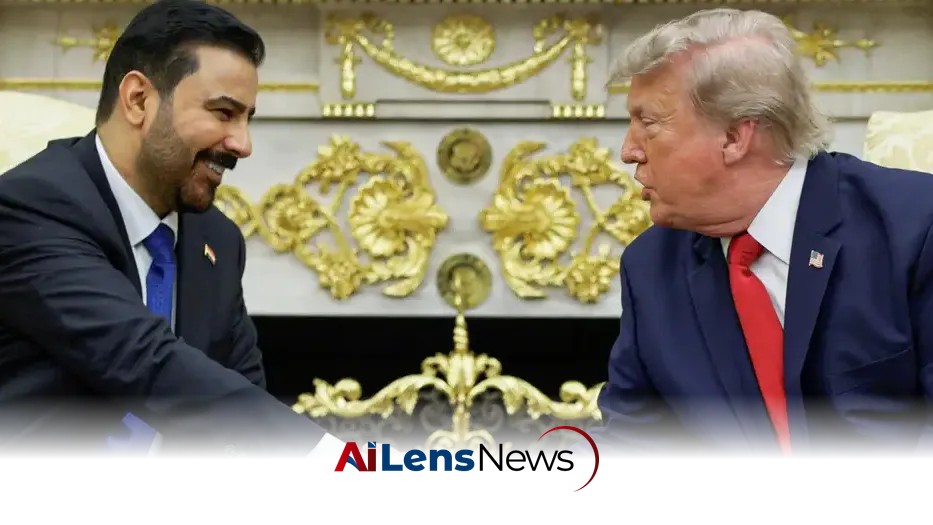


The United States is set to withdraw its remaining troops from Iraq by September 30, marking a significant shift towards economic partnership as Iraq seeks to consolidate state authority.
Kuwait City, Kuwait Jul 15, 2026 ALN: The United States is poised to finalize the withdrawal of its remaining military forces from Iraq by September 30, as confirmed by Iraqi Prime Minister Ali al-Zaidi during a significant meeting with US President Donald Trump at the White House. This decision underscores a pivotal moment in the evolving dynamics of US-Iraq relations, indicating a strategic shift from military engagement to economic collaboration.
In recent years, the presence of US troops in Iraq has been a contentious issue, shaped by the complex political landscape and the historical context of the US invasion in 2003. Initially, American forces were deployed to topple the regime of Saddam Hussein, but their role has since evolved, particularly in response to the rise of extremist groups such as the Islamic State (ISIS). At its peak, the US military presence in Iraq numbered in the hundreds of thousands, but over the years, this figure has drastically decreased. As of the latest reports, approximately 2,500 troops were stationed in the country, primarily engaged in counter-terrorism operations.
During the meeting, President Trump articulated a shift in the US administration's perspective, emphasizing that a large military footprint in Iraq is no longer deemed necessary. "Well, we don’t think we need the military there anymore," he stated, reflecting a broader trend within the US to reassess its military commitments abroad. This sentiment resonates with a growing desire among American policymakers to pivot towards diplomatic and economic strategies rather than relying solely on military solutions.
Prime Minister al-Zaidi's announcement highlights a crucial linkage between the US troop withdrawal and the disarmament of militia groups within Iraq. He emphasized that this agreement is part of a broader effort to reinforce state authority and ensure that all armed factions operate under the control of the Iraqi government. "On September 30th, American forces will leave, and American companies will enter," al-Zaidi remarked, signaling a transition towards a more stable and self-reliant Iraq. He further asserted, "After 30 September, we will not allow any entity to bear arms outside the state," reiterating the government’s commitment to consolidating its security apparatus.
The US military has maintained strategic positions in various locations across Iraq, including Erbil in the Kurdistan region, a base near Baghdad International Airport, and within the heavily fortified Green Zone that houses government buildings and foreign embassies. The planned withdrawal raises questions about the future security landscape in Iraq, particularly regarding the role of various militia groups that have historically operated with varying degrees of autonomy from the central government. The presence of these groups, many of which have ties to Iran, complicates the security situation and poses challenges for the Iraqi government as it seeks to establish full control over its territory.
In tandem with security considerations, the focus of US-Iraq relations is shifting towards economic cooperation. During al-Zaidi’s visit to Washington, discussions centered on enhancing economic ties, particularly through significant American investment in Iraq’s crucial oil, gas, and electricity sectors. Iraq, with its vast oil reserves, presents substantial opportunities for foreign investment, and both leaders expressed optimism about the potential for increased economic collaboration. The Iraqi economy, heavily reliant on oil exports, has faced numerous challenges, including fluctuations in global oil prices and the need for infrastructure improvements.
Trump acknowledged Iraq's economic potential, stating, "We’re going to be doing a lot of deals. We’re going to create a lot of jobs for both countries, and we’re going to be taking out a lot of oil." Although he did not divulge specific details regarding the planned agreements, the emphasis on economic partnership marks a significant departure from the previous focus on military cooperation. This shift reflects a growing recognition that sustainable development in Iraq will require a multifaceted approach, combining security, economic growth, and political stability.
This strategic pivot is not merely about reducing troop numbers; it reflects a broader understanding of the challenges facing Iraq as it seeks to stabilize its political and economic landscape. For years, Iraq has grappled with the dual pressures of maintaining security against extremist threats while simultaneously fostering economic development and attracting foreign investment. The US withdrawal, coupled with a commitment to bolster economic ties, could potentially provide Iraq with the breathing room necessary to consolidate its sovereignty and pursue a more independent path.
The implications of this troop withdrawal extend beyond Iraq’s borders, influencing regional dynamics and US foreign policy in the Middle East. As the US reduces its military footprint, neighboring countries and regional actors may reassess their strategies and alliances in response. The potential for increased Iranian influence in Iraq is a particular concern, as Tehran has historically supported various militia groups and has vested interests in Iraqi politics. Iraq’s ability to navigate these complex relationships while pursuing a balanced foreign policy will be crucial as it seeks to assert its independence.
Moreover, the emphasis on economic cooperation highlights the importance of private-sector investment in Iraq's recovery and growth. The Iraqi government is keen to attract foreign companies to participate in rebuilding its infrastructure and developing its energy resources. This approach not only aims to stimulate economic growth but also to create jobs for the Iraqi populace, which is essential for achieving long-term stability. The success of these initiatives will depend on the Iraqi government's ability to implement necessary reforms and create a conducive environment for investment.
In conclusion, the planned withdrawal of US troops from Iraq by September 30 represents a significant turning point in the bilateral relationship between Washington and Baghdad. As both nations pivot towards economic partnership and investment, the success of this new chapter will depend on Iraq’s ability to consolidate security under state institutions and effectively manage its relationships with various armed groups. The implications of this transition will reverberate throughout the region, shaping the future of US engagement in the Middle East and the trajectory of Iraq’s political and economic landscape. This evolving relationship will require careful monitoring as both countries navigate the complexities of their new partnership.
To learn more about the latest developments in Elections, stay updated with our exclusive reports and analyses on AiLensNews.

