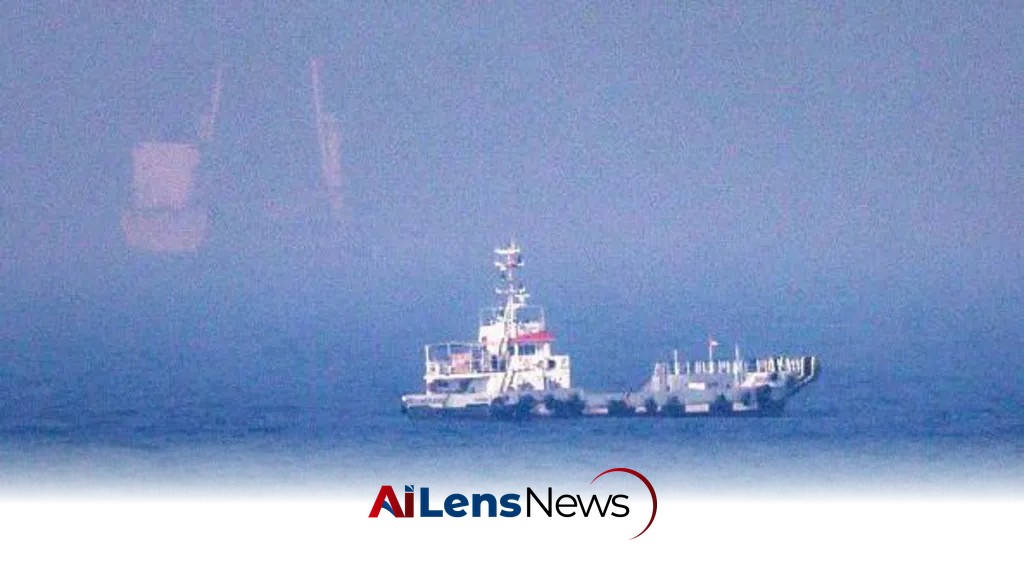


The US plans to reimpose its naval blockade on Iran starting Tuesday, coinciding with the 11th anniversary of the JCPOA, amidst escalating tensions.
Kuwait City, Kuwait Jul 14, 2026 ALN: The United States has announced it will reimpose its naval blockade of Iran on Tuesday, marking what would have been the 11th anniversary of the signing of the Joint Comprehensive Plan of Action (JCPOA). This significant decision reflects the ongoing tensions between the U.S. and Iran, which have escalated over the past few years, particularly in the context of nuclear negotiations and regional security issues.
The JCPOA, often referred to as the Iran nuclear deal, was finalized in Vienna on July 14, 2015, after extensive negotiations involving Iran and six world powers: Britain, China, France, Germany, Russia, and the United States. The agreement aimed to limit Iran's nuclear capabilities in exchange for relief from economic sanctions that had crippled its economy. However, the deal has been a point of contention in U.S. foreign policy, especially following the Trump administration's decision to withdraw from the agreement in May 2018, citing concerns over Iran's missile program and its regional influence. The withdrawal led to the re-imposition of severe sanctions on Iran, which have had a profound impact on its economy and international relations.
In a statement made on Monday, former President Trump indicated that the United States would tighten its pressure on Iran and introduce a 20 percent transit fee for vessels passing through the Strait of Hormuz. He declared that Washington would assume the role of "guardian" of this strategic waterway. The Strait of Hormuz is a crucial maritime chokepoint that connects the Persian Gulf with the Gulf of Oman and the Arabian Sea, through which nearly one-fifth of global oil shipments pass. This area has been a focal point of geopolitical tensions, particularly due to its significance for global energy supplies. The U.S. has previously been involved in military operations in the region to ensure the freedom of navigation, but this latest move may signal a more aggressive posture.
This announcement represents a significant reversal from Trump's earlier praise of an agreement reached last month, which he had described as a breakthrough that could pave the way for broader peace and stability in the Middle East. The previous optimism surrounding diplomatic engagements has now been overshadowed by renewed hostilities and a hardline approach towards Iran. The inconsistency in U.S. policy raises questions about the long-term strategy regarding Iran and the potential for future negotiations. Observers note that the U.S. approach towards Iran has oscillated between diplomatic overtures and military threats, creating an unpredictable environment that complicates diplomatic efforts.
The proposed shipping fee has raised legal and diplomatic questions, as previous U.S. officials had maintained that imposing charges on vessels transiting international waterways like the Strait of Hormuz would conflict with established international maritime law. The United Nations Convention on the Law of the Sea (UNCLOS) stipulates that states cannot impose taxes or fees on the passage of ships through international straits that are used for international navigation. This legal ambiguity could lead to disputes not only with Iran but also with other nations that rely on the Strait for their maritime trade. The international community, particularly maritime nations, may view this move as an infringement on their rights and could respond diplomatically or economically.
This latest move comes amid rapidly escalating military tensions between the United States and Iran, with both sides exchanging attacks and growing concerns over the security of one of the world’s most critical energy corridors. In recent months, there have been several incidents involving Iranian naval forces and U.S. vessels, increasing fears of a potential military confrontation. The U.S. has accused Iran of threatening commercial shipping in the region, while Iran has warned against what it perceives as U.S. aggression and interference in its maritime rights. These incidents have included the seizure of vessels, naval confrontations, and cyber operations, contributing to a volatile security environment.
As the situation develops, the implications of this blockade and the proposed transit fee will likely reverberate across international markets and geopolitical relations. The reimposition of a naval blockade could lead to increased shipping costs, disruptions in oil supply chains, and heightened volatility in global oil markets. Given that oil prices are already sensitive to geopolitical tensions, any escalation in the Strait of Hormuz could have immediate repercussions on energy prices worldwide. Analysts predict that even minor disruptions in this critical waterway could lead to significant spikes in oil prices, affecting economies globally.
Furthermore, the U.S. decision to act unilaterally in enforcing a blockade raises concerns about the potential for international backlash. Allies and partners in the region, as well as global powers, may view this move as an overreach of U.S. authority, particularly if it undermines established international norms regarding maritime navigation. Diplomatic relations with countries that have significant maritime interests in the region could also be strained, complicating efforts to build a coalition against Iranian assertiveness. The risk of alienating allies who may be opposed to unilateral U.S. actions could hinder future diplomatic initiatives.
The Iranian government has already condemned the U.S. announcement, asserting that it will not recognize the legitimacy of the blockade or the proposed transit fee. Iran's Foreign Ministry has emphasized that such actions will only exacerbate tensions and could lead to further instability in the region. Iran has historically responded to perceived threats with a combination of military posturing and asymmetric warfare tactics, including the use of proxy forces in neighboring countries. This pattern of behavior raises concerns about the potential for retaliatory actions by Iran, which could escalate the conflict further.
In conclusion, the U.S. decision to reinstate a naval blockade on Iranian ports amid rising tensions signals a significant shift in its approach to Iran. The implications of this move are complex and multifaceted, affecting not only U.S.-Iran relations but also the broader geopolitical landscape in the Middle East and global energy markets. As both sides navigate this precarious situation, the potential for miscalculation and escalation remains high, underscoring the need for careful diplomacy and engagement to prevent further conflict. The international community will be closely monitoring developments, as the stakes are high, not only for the involved parties but also for global stability and security.
To learn more about the latest developments in Political Controversies, stay updated with our exclusive reports and analyses on AiLensNews.

