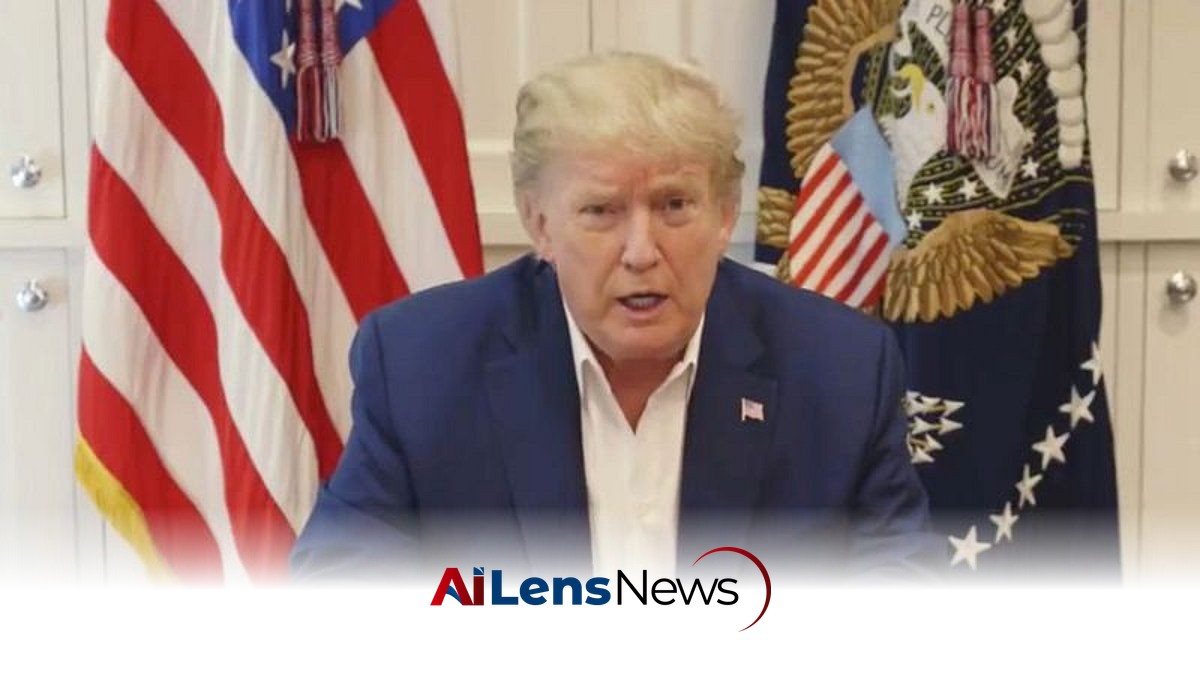


President Trump believes a negotiated agreement with Iran is still possible, even amidst renewed military actions and tensions.
Kuwait City, Kuwait Jul 14, 2026 ALN: President Donald Trump stated late on Monday that he still believes a negotiated agreement with Iran is possible, despite the United States launching a fresh wave of military strikes against Iranian targets and reinstating a blockade on Iranian ports. This dual approach of military action coupled with diplomatic overtures reflects the complex and often contradictory nature of U.S. foreign policy in the Middle East, particularly regarding Iran.
Speaking to reporters in the Oval Office, Trump expressed optimism that diplomacy could still prevail despite the renewed fighting. His comments come at a time when tensions between the U.S. and Iran are at a heightened level, characterized by military confrontations and ongoing disputes over nuclear capabilities and regional influence.
"Yeah, I think a deal is possible. Sure, I do," Trump said. "We had a deal with them two days ago and then they said, 'Oh we can't make that deal. We have to negotiate it further.'" This statement underscores Trump's belief in the potential for negotiations, despite the significant obstacles presented by Iran's shifting demands and the U.S.'s hardline stance on sanctions and military presence in the region.
Trump told Fox News that U.S. negotiators believed they had reached a long-term peace deal with Iran following an 11-hour meeting on July 12, but Iranian leaders later introduced new demands. The U.S. has long accused Iran of being unreliable in negotiations, with Trump stating, “What nobody knows, we had a deal. It was a done deal, and then they broke it. They always break it. We’ve had 10 deals with these people, and so we’re just going to hit them very hard.” This sentiment reflects a broader frustration within the Trump administration regarding Iran's commitment to international agreements.
His remarks came hours after U.S. Central Command announced another series of strikes targeting Iranian air defense systems, missile and drone facilities, naval infrastructure, and other military assets. The Pentagon also shared videos showing the use of naval drones for the first time against Iranian targets, marking a significant escalation in the U.S. military's operational capabilities in the region.
The U.S. military stated that the operation was intended to degrade Iran's ability to threaten commercial shipping and U.S. partners in the Gulf following renewed Iranian attacks in and around the Strait of Hormuz. This strategic waterway is crucial for global oil transportation, and any disruption could have severe implications for global energy markets and economic stability.
Trump also reiterated his position in posts on X, arguing that military pressure and diplomacy could proceed simultaneously as Washington seeks to force Tehran back to the negotiating table. This dual strategy reflects a broader trend in U.S. foreign policy, where military strength is often viewed as a necessary leverage in diplomatic negotiations.
His latest comments mark a notable shift in tone from last week, when he declared that the U.S.-Iran ceasefire was "over" while still agreeing to continue negotiations with Tehran. This fluctuation in rhetoric illustrates the unpredictable nature of Trump's approach to foreign policy, particularly in relation to Iran, a nation with which the U.S. has had a tumultuous relationship since the 1979 Iranian Revolution.
The latest escalation follows the unraveling of the U.S.-Iran Memorandum of Understanding (MoU), a 14-point framework signed in June that sought to end weeks of fighting and reopen the Strait of Hormuz to commercial shipping. The agreement has steadily deteriorated amid disputes over maritime access, sanctions, oil exports, and competing interpretations of each side's obligations. These disputes highlight the challenges of negotiating with a nation that has a fundamentally different geopolitical strategy and worldview.
Washington accuses Iran of violating the accord through attacks on commercial vessels and regional targets, while Tehran claims the United States undermined the agreement by revoking oil waivers, expanding military operations, and reimposing restrictions on Iranian shipping. This tit-for-tat blame game complicates the potential for future negotiations and reflects deep-seated mistrust between the two nations.
The renewed hostilities have rattled global energy markets, with oil prices climbing sharply on Monday as investors weighed the possibility that further fighting could disrupt traffic through the Strait of Hormuz, a strategic waterway that carries roughly one-fifth of the world's oil consumption. The economic implications of such disruptions are significant, potentially leading to increased fuel prices and economic instability in oil-dependent countries.
Despite the intensifying military campaign, Trump's latest comments suggest the White House has not abandoned diplomacy. U.S. officials have continued to indicate that negotiations remain an option if Iran agrees to terms Washington considers acceptable, although no date for a new round of formal talks has been announced. The lack of a clear timeline for negotiations raises questions about the effectiveness of the current military strategy and whether it will compel Iran to return to the negotiating table.
The situation remains fluid, with various stakeholders involved, including European allies who have expressed concern over the potential for conflict and the implications for the broader Middle East. The European Union has been advocating for a diplomatic resolution to the crisis, emphasizing the need for dialogue rather than military confrontation.
In summary, President Trump's statements reflect a complex interplay between military action and diplomatic efforts regarding Iran. As tensions escalate, the potential for a peaceful resolution remains uncertain, with both sides entrenched in their positions. The implications of this ongoing conflict extend beyond U.S.-Iran relations, affecting global energy markets and regional stability in the Middle East.
To learn more about the latest developments in Political Controversies, stay updated with our exclusive reports and analyses on AiLensNews.

