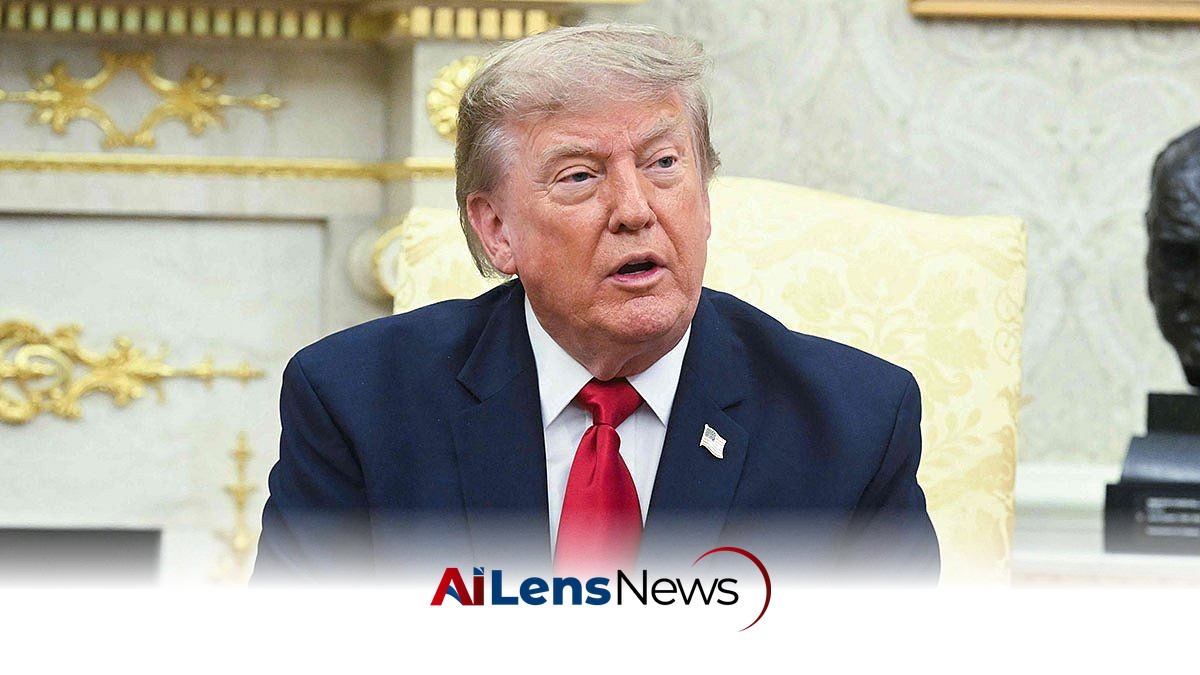


In a surprising reversal, President Trump has scrapped a planned 20% levy on ships passing through the Strait of Hormuz, opting instead for trade deals with Gulf allies.
Kuwait City, Kuwait Jul 14, 2026 ALN: US President Donald Trump on Tuesday abruptly scrapped a planned 20 percent levy on ships transiting the Strait of Hormuz amid escalating tensions and clashes with Iran. This decision comes at a time when the geopolitical landscape in the Middle East is particularly volatile, with military actions and diplomatic negotiations taking center stage. Trump stated that he would instead seek compensation from Gulf allies through trade deals, a shift that reflects the complexities of international relations in the region.
In a statement, Trump indicated that Middle Eastern leaders had persuaded him to reconsider the toll just a day after he announced it. He expressed his opposition to charging any fees for the key waterway, which is vital for global oil and gas shipments. The Strait of Hormuz is one of the most strategically significant maritime chokepoints in the world, with a significant percentage of the world's oil supply passing through it. Trump's abrupt reversal highlights the delicate balance of power and the influence of regional allies in shaping US foreign policy.
"Based on highly productive conversations with Middle East leadership, I have decided to replace the 20% United States Reimbursement Fee with Trade and Investment Deals that the various Gulf States will be making into the United States," Trump announced on his Truth Social network. This statement underscores a broader strategy of leveraging economic partnerships to bolster US interests in the region while attempting to maintain stability amidst rising tensions.
Despite the cancellation of the toll, Trump emphasized that he would continue with a "FULL Blockade" on ships coming to and from Iranian ports, which was set to restart at 2000 GMT Tuesday. This blockade targets vessels carrying any cargo related to Iran, indicating a continued hardline stance against Tehran. The Iranian military has made it clear that it will not allow the United States to "interfere" in the strait, signaling potential confrontations ahead.
The Strait of Hormuz has been a focal point of military action since Iran largely closed it following attacks from the United States and Israel on February 28. After a ceasefire deal in June, the strait reopened, but recent developments have reignited hostilities, placing the waterway back in the crosshairs of international conflict. The ongoing tensions are exacerbated by the complex web of alliances and rivalries in the region, with Iran's military posture serving as a direct challenge to US influence and the interests of its Gulf allies.
Trump had declared on Monday that Washington was now "THE GUARDIAN OF THE HORMUZ STRAIT" and would impose hefty fees on shipping to reimburse the United States for its protective role. This announcement caused oil prices to spike and alarmed allies, particularly given the US's past criticisms of Iran for its own proposals to charge shipping fees for the Strait. The inconsistency in US policy, especially regarding fees for transit through such a critical route, raises questions about the effectiveness of its diplomatic strategy and the potential for further economic repercussions.
However, following discussions with key Gulf leaders, including those from Saudi Arabia, the United Arab Emirates, Qatar, Bahrain, and Kuwait, Trump decided to abandon the toll. He remarked, "I put it out yesterday, I thought it was good. I was called by different people, different countries -- kings, emirs, and all of the people that we all know and we all love." This statement reflects Trump's reliance on personal relationships with foreign leaders to shape his policy decisions, often leading to rapid changes in direction based on diplomatic interactions.
Trump's assertion that Gulf states would prefer to invest billions in the United States rather than pay fees for the Strait reveals a potential pivot in how the US might engage economically with its allies. By fostering investment ties, the administration may seek to strengthen its relationships while simultaneously addressing security concerns. However, the implications of such a strategy remain to be seen, particularly in light of Iran's ongoing threats and the potential for retaliatory actions against Gulf nations cooperating with the US.
Iran's military command has issued warnings to its Gulf neighbors, indicating that they would face consequences for cooperating with Washington. This rhetoric underscores the high stakes involved in the region, where alliances can shift rapidly, and the threat of military escalation looms large. The US's approach to the Strait of Hormuz is not merely a matter of economic policy; it is deeply intertwined with national security and regional stability.
This is not the first time that the unpredictable nature of Trump's announcements has led to significant policy reversals. In the past, he has walked back harsh announcements on trade, such as easing global tariffs after market reactions caused concern among investors. Traders have even coined the term "TACO"—short for "Trump Always Chickens Out"—to describe this pattern of behavior. Such unpredictability can create uncertainty in international markets and complicate diplomatic relations.
As the situation continues to evolve, the implications of Trump’s latest decision will be closely monitored by analysts and policymakers alike. The cancellation of the toll may provide temporary relief for shipping companies and Gulf allies, but it also raises questions about the long-term strategy of the United States in the region. The balance of power in the Middle East is fragile, and any miscalculation could lead to further escalation of conflict, particularly with Iran's military assertiveness and the ongoing challenges of securing vital shipping lanes.
In conclusion, Trump's decision to abandon the 20 percent toll reflects a complex interplay of diplomacy, economic strategy, and military considerations in a region fraught with tension. As the US navigates its role as a protector of the Strait of Hormuz, the administration must balance the interests of its allies, the threats posed by Iran, and the broader implications for global energy markets. The coming weeks and months will be critical in determining how these dynamics unfold and what impact they will have on regional stability and international relations.
To learn more about the latest developments in Political Controversies, stay updated with our exclusive reports and analyses on AiLensNews.

