

In a bid to reshape British politics, Andy Burnham, the new Prime Minister, vows to address economic challenges and end years of instability.
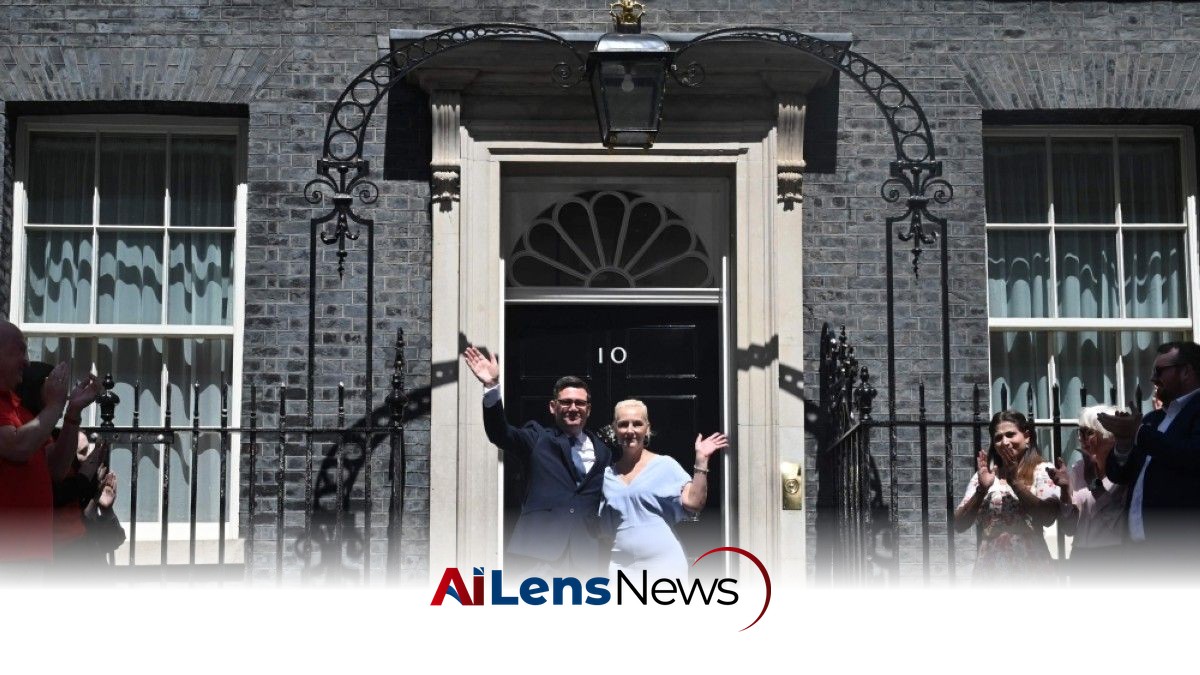
Kuwait City, Kuwait Jul 21, 2026 ALN: Andy Burnham became Britain’s seventh prime minister in a decade on Monday, pledging to reshape its politics to deliver a new economic model and revive a nation “fed up” with a revolving door of leaders. In front of dozens of supporters outside his new office and residence at 10 Downing Street, Burnham said politicians had failed to bring the stability needed to raise living standards, something he said he would change, with both immediate measures and a longer-term plan to be drawn up later this year.
Burnham's ascent to the premiership comes at a time when the United Kingdom is grappling with numerous challenges, including economic instability, the aftermath of Brexit, and a growing discontent among the populace regarding the effectiveness of its political leadership. The last decade has seen a rapid turnover of prime ministers, with each administration struggling to address the pressing issues facing the country. This has led to a sense of political fatigue among the public, who are looking for a leader who can offer a fresh approach and restore faith in the political system.
Speaking without notes, Burnham delivered a domestic-focused speech aimed at offering hope to a nation that has, like many European countries, struggled for years with soaring prices and anaemic economic growth. He did not touch on foreign affairs, which many commentators noted as a significant omission given the UK's complex geopolitical landscape. The focus on domestic issues suggests that Burnham is prioritizing immediate concerns over international relations, likely in response to the pressing needs of his constituents.
“I know people at home are fed up with politics. I hear you, and I want to be honest with you, we have not been good enough and we need to be better,” he said, dispensing with the lectern that prime ministers generally use. This informal approach may resonate with voters who have grown tired of traditional political rhetoric. Burnham pledged to use his premiership as a “circuit-breaker for Britain,” arguing that a new model was needed to rebuild the country, which has been in political turmoil since voting in 2016 to leave the European Union. The Brexit referendum marked a significant turning point in British politics, leading to deep divisions within society and a reassessment of the country’s identity and role on the global stage.
Promises 10-year plan
Just over an hour after his predecessor and Labour colleague Keir Starmer had made his farewell speech to say “My work is done,” the 56-year-old former Greater Manchester mayor entered Downing Street, where he said his team would tackle his first priority: to end rough sleeping. This commitment aligns with broader social concerns in the UK, where homelessness has been on the rise, exacerbated by economic challenges and insufficient affordable housing. Burnham's focus on housing reflects a recognition of the need for comprehensive social policies that address the root causes of poverty and homelessness.
The major challenges will then lie ahead. Burnham must first unveil his cabinet — already the subject of much debate in the Labour Party — and then tackle a long list of problems ranging from high levels of illegal immigration to underperforming utility firms. The composition of his cabinet will be crucial, as it will determine the direction of his administration and its ability to implement policy changes effectively. The Labour Party has faced internal divisions, and Burnham's ability to unite different factions will be tested as he seeks to govern.
Starmer, ousted by his own lawmakers a month ago, said his work as prime minister was “the privilege of my life” and that he wished Burnham every success, with “my full support.” Burnham did not refer to Starmer in his speech, instead focusing on how he will bring change. However, he acknowledged that some of his programme would take time. This admission underscores the complexity of the issues at hand and the need for a thoughtful and measured approach to governance.
In his short address, thin on policy detail, Burnham said he would release a long-term plan for the next decade within months and repeated his pledge to build more public housing and to help bring down welfare spending to fund higher defence investment. The juxtaposition of welfare spending and defense investment highlights the ongoing debate in British politics about resource allocation and the priorities of the government. Opposition parties suggested he would need to win a national election to get a mandate to implement it. This points to the importance of public support and electoral legitimacy in enacting significant policy changes.
However, he promised to unveil more immediate measures on Tuesday to ease everyday pressures on Britons and explain how he will pay for them. Speaking to reporters later on Monday, Burnham said he was finalizing the details of those measures which he described as “things that people will feel and feel quite quickly.” This commitment to immediate action is likely aimed at addressing the urgent needs of citizens who are struggling with the rising cost of living and economic uncertainty. “It won’t solve everything, it won’t take all of the pressure off, but it just shows the direction of travel and ... about helping them out,” he said, not long after arriving in Downing Street and before he started unveiling his top team. Dubbed ‘King of the North’ for his dogged defense of the Manchester region’s interests, Burnham received messages of congratulation from foreign leaders, including European leaders who called for closer ties. This suggests an interest in maintaining international relationships, even if Burnham's initial focus is on domestic issues.
His first phone call was with US President Donald Trump, a White House official said. This early engagement with a prominent international leader signals Burnham's awareness of the importance of foreign relations, even if he has chosen to prioritize domestic affairs in his initial address. Burnham also said he wanted to speak to Ukrainian President Volodymyr Zelenskiy, for whose country he expressed continued support. This stance indicates a commitment to international solidarity and the UK's role in global affairs, particularly in light of ongoing conflicts and humanitarian crises.
Labour lawmakers see Burnham as one of the few figures capable of tackling the threat from veteran Brexit campaigner Nigel Farage’s populist Reform UK - something they doubted the unpopular Starmer could do. The rise of populist movements represents a significant challenge for traditional political parties, and Burnham's leadership will be closely scrutinized as he navigates these dynamics. A key first decision will be Burnham’s choice of finance minister after Rachel Reeves was one of several Starmer allies to say she was leaving the government. The selection of a finance minister will be critical in shaping economic policy and addressing fiscal challenges.
Friction in this axis of government has brought down previous administrations. The importance of a cohesive and united cabinet cannot be overstated, as internal conflicts can undermine the effectiveness of governance. An early frontrunner for the position, energy security and net zero minister Ed Miliband, has been the object of hostile briefing, and interior minister Shabana Mahmood now appears favourite for the job. This reflects the intense scrutiny and political maneuvering that characterizes the current political landscape, where every appointment is subject to analysis and speculation.
On Sunday, Burnham scrapped plans for all employees to be required to hold a digital identity document, a scheme designed to tackle illegal migration but deemed a “fiasco” by a cross-party committee of lawmakers. This decision highlights the complexities and controversies surrounding immigration policy in the UK, as well as the need for careful consideration of the implications of such measures on civil liberties and public sentiment.
More attention will be paid to decisions on taxation and spending, oil and gas, and underperforming utility companies, where Burnham wants stronger public control. The focus on public control of utilities reflects a broader trend in many countries towards re-evaluating the role of privatization and the effectiveness of market-based solutions in providing essential services. As Burnham embarks on his premiership, his ability to navigate these challenges and deliver on his promises will be closely watched by both supporters and critics alike. The implications of his leadership will not only affect the Labour Party but also shape the future of British politics in a time of uncertainty and change.
To learn more about the latest developments in Political History & Legacy, stay updated with our exclusive reports and analyses on AiLensNews.

