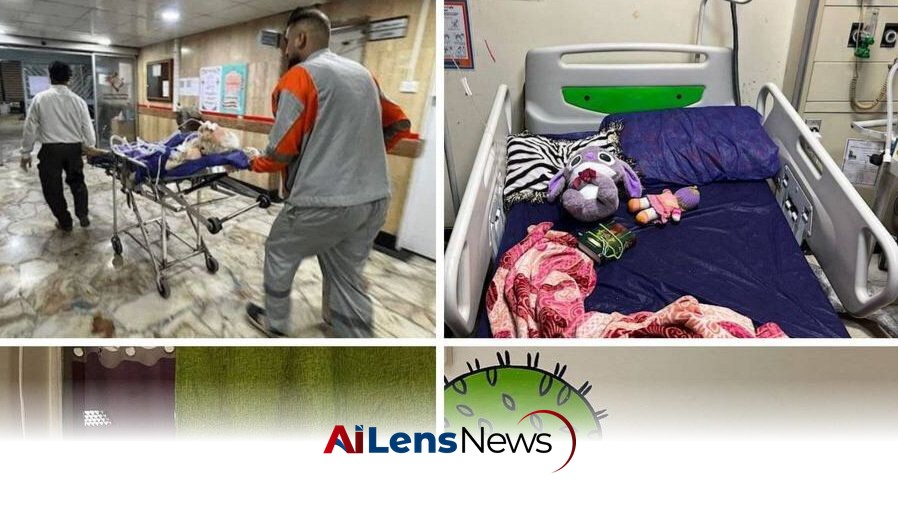


Iran's Human Rights Headquarters has urged the UN to condemn a US airstrike on a children's cancer hospital in Ahvaz, citing violations of international law.
Tehran, Iran Jul 20, 2026 ALN: Iran's Human Rights Headquarters has called on the United Nations and international human rights organizations to condemn a US attack on a children's cancer hospital in the southwestern city of Ahvaz, saying the incident constituted a serious violation of international humanitarian law and a war crime.
In a statement issued on Saturday, the headquarters said US airstrikes on July 15 targeted the vicinity of Shahid Beqaei Specialized Hospital, forcing the emergency evacuation of 211 children undergoing cancer treatment, including chemotherapy patients. It urged the UN Security Council, the Office of the UN High Commissioner for Human Rights, and international human rights organizations to take immediate action, warning that continued silence would amount to complicity.
The statement said the strike formed part of a broader campaign against civilian infrastructure during the ongoing US-Israeli military operations against Iran. According to the headquarters, eight hospitals have been forced to suspend operations, and numerous other healthcare facilities have sustained damage since the conflict began.
The body argued that attacks affecting hospitals violate the Fourth Geneva Convention, which grants special protection to medical facilities during armed conflict, as well as the principle of distinction between civilian and military targets under international humanitarian law. It further said such actions fall within the definition of war crimes under Article 8 of the Rome Statute of the International Criminal Court.
Iran's Human Rights Headquarters called on the UN Security Council to formally condemn the attacks and demand an immediate halt to US military operations. It also urged the UN human rights office to document the violations and submit an official report, while appealing to governments and international human rights organizations to hold Washington accountable through legal and diplomatic channels.
The latest appeal follows strong condemnation from Iran's Foreign Ministry a day earlier over the strike near the medical complex.
Foreign Ministry spokesman Esmaeil Baqaei described the attack as a "cowardly war crime," saying the explosions near Shahid Beqaei Specialized Hospital forced doctors and nurses to urgently evacuate pediatric cancer patients, many of whom were receiving chemotherapy or other critical treatments.
"The attack caused severe suffering and anxiety among hospitalized children," Baqaei said in a statement, comparing the incident to attacks on healthcare facilities in other conflict zones. He argued that endangering hospitals, even if they are not directly hit, constitutes a grave breach of international humanitarian law.
Hospital officials said the explosions occurred only a short distance from the specialized pediatric oncology center, triggering emergency procedures to relocate every patient.
Hospital manager Dr. Majid Bou'azar said the evacuation involved some of the hospital's most medically vulnerable patients, including children undergoing intensive cancer treatment. Medical personnel described chaotic scenes as doctors, nurses and parents rushed children to safety, with some patients reportedly being moved while connected to oxygen supplies, ventilators or intravenous medication.
According to hospital officials, the nearby blasts disrupted normal medical operations and temporarily rendered parts of the facility unusable, raising concerns about continuity of care for critically ill children.
Iran's Human Rights Headquarters said it would continue pursuing legal action through international mechanisms against those it holds responsible for the attack, while urging the international community to take concrete measures to safeguard medical facilities and civilians caught in armed conflict.
The incident has raised questions about the legality and morality of military operations in civilian areas, particularly those involving healthcare facilities. The Fourth Geneva Convention is designed to protect civilians and medical personnel in times of war, and attacks on hospitals are considered a serious breach of international law. This principle is particularly relevant in conflict zones where civilian populations are often disproportionately affected by military actions.
In recent years, the use of airstrikes in populated areas has come under intense scrutiny, especially in the context of the ongoing conflicts in the Middle East. The situation in Iran, exacerbated by tensions with the United States and Israel, has led to increased military operations that have drawn criticism from various human rights organizations. These groups argue that such actions often disregard the safety of non-combatants and violate international humanitarian laws.
The implications of this incident extend beyond immediate humanitarian concerns. It highlights the ongoing struggle for accountability in international conflicts, where powerful nations may evade repercussions for actions that violate established norms. The call for UN action reflects a broader desire among nations affected by military interventions to seek justice and reparation through international legal frameworks.
Furthermore, this event may influence public opinion and political discourse within Iran and beyond. The Iranian government has historically used incidents like this to galvanize support against perceived external threats, framing military actions as not only a violation of sovereignty but also as direct assaults on the nation’s most vulnerable populations, such as children suffering from cancer.
In the context of global politics, the incident may also serve to strain relations between the United States and Iran further. As the two nations navigate a complex web of diplomacy, military engagement, and sanctions, incidents like the airstrike on the hospital can exacerbate tensions and hinder potential avenues for dialogue. The Iranian government’s strong condemnation and calls for international action may resonate with other nations that have faced similar military actions, potentially leading to a unified front against perceived aggressions.
As the situation develops, it will be crucial to monitor the responses from international bodies, including the UN, and how they address the concerns raised by Iran. The reactions from human rights organizations and the broader international community will also play a significant role in shaping the narrative around military operations in civilian areas and the protection of vulnerable populations.
In conclusion, the airstrike on the children's cancer hospital in Ahvaz serves as a stark reminder of the dire consequences of military actions in civilian contexts. It underscores the urgent need for adherence to international humanitarian law and the protection of healthcare facilities during armed conflicts. The continued advocacy for accountability and justice by Iran’s Human Rights Headquarters reflects a broader struggle for the rights of civilians in conflict zones and the imperative for the international community to respond decisively to violations of human rights and humanitarian standards.
To learn more about the latest developments in Political Controversies, stay updated with our exclusive reports and analyses on AiLensNews.

