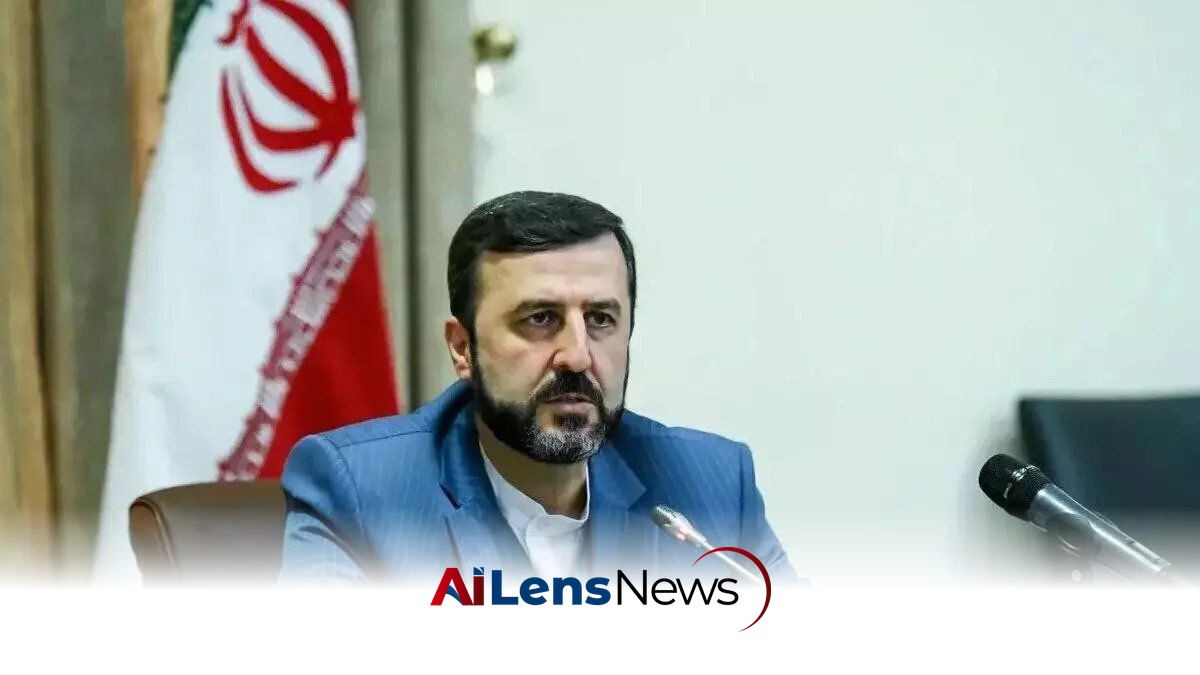


Iran's Deputy Foreign Minister Kazem Gharibabadi asserts that the country will not recognize a southern shipping corridor through the Strait of Hormuz, emphasizing national security and adherence to the Islamabad Memorandum.
Tehran, Iran Jul 30, 2026 ALN: Iran has firmly rejected the establishment of a southern shipping corridor through the Strait of Hormuz, a strategic maritime passage that is vital for global oil transportation and trade. Deputy Foreign Minister for Legal and International Affairs Kazem Gharibabadi made this declaration, asserting that Iran will not recognize any alternative shipping routes through this crucial waterway, stating it is an integral part of the nation’s security framework.
The Strait of Hormuz, located between Iran and Oman, serves as a significant chokepoint for maritime traffic, with a substantial percentage of the world's oil supply passing through it. The geopolitical importance of this strait cannot be overstated, especially given the tensions that have historically existed in the region. Gharibabadi's comments come at a time when discussions around maritime safety and navigation routes are intensifying, particularly in light of recent conflicts and military activities in the area.
In an interview with the Islamic Republic of Iran Broadcasting (IRIB), Gharibabadi emphasized that any future arrangements governing the Strait must align with Iran's security needs and adhere to the terms laid out in the Islamabad Memorandum of Understanding. This memorandum, which was negotiated between Iran and the United States, includes provisions that Iran believes are crucial for maintaining its sovereignty and security in the region.
One of the key points raised by Gharibabadi is the fifth clause of the Islamabad memorandum, which stipulates that the safe passage of commercial vessels through the Strait of Hormuz must be conducted under arrangements established by Iran. The deputy foreign minister highlighted that this provision was the result of extensive negotiations and was included only after careful deliberation between the negotiating parties. This underscores the complexity of diplomatic engagements in the region, where historical animosities and strategic interests often collide.
Gharibabadi also pointed out that Iran has fulfilled its obligations under the memorandum by establishing a northern navigation corridor near Larak Island and notifying the International Maritime Organization (IMO) about this designated shipping route. However, he accused the United States of collaborating with Oman to create a separate southern route through Omani waters, which he claims diverts vessels away from the Iranian-designated corridor. This, he argues, constitutes a clear violation of the memorandum and undermines Iran's authority over the Strait.
In a concerning development, Gharibabadi alleged that some commercial vessels instructed by Iranian authorities to return to the northern route were pressured to continue along the southern corridor. He claimed that U.S. forces employed threats and the presence of unmanned aerial vehicles to intimidate these vessels into compliance with the southern route, further complicating the already tense maritime situation in the region.
"Iran will not recognize the southern route even for a single hour," Gharibabadi declared emphatically. He also noted that various countries had proposed allowing temporary use of the corridor until a broader agreement could be reached, but Tehran has categorically rejected these proposals. This refusal highlights Iran's determination to maintain control over its maritime routes and assert its sovereignty in the face of external pressures.
Moreover, Gharibabadi reiterated that any return to pre-conflict arrangements in the Strait of Hormuz would contradict Tehran's strategic objectives and undermine the outcomes of recent conflicts in the region. This statement reflects Iran's broader geopolitical strategy, which seeks to enhance its influence and control over key maritime routes, particularly as tensions with the United States and its allies continue to simmer.
Another critical aspect of the discussion was the issue of mine-clearing operations in the Strait. Gharibabadi asserted that under the terms of the Islamabad memorandum, the responsibility for such operations lies exclusively with Iran. He made it clear that Tehran will not allow foreign naval vessels to conduct mine-clearing activities in the Strait, reinforcing Iran's stance on maintaining sovereignty over its territorial waters.
On the diplomatic front, Gharibabadi denied reports suggesting that Iran had sought negotiations or requested a ceasefire with the United States during the latest round of hostilities. Instead, he indicated that it was Washington that had sent messages through intermediaries expressing a desire to prevent further escalation and explore potential avenues for managing the conflict. This assertion raises questions about the nature of U.S.-Iran relations, particularly in light of ongoing tensions and military engagements in the region.
The implications of Iran's rejection of the southern shipping route are significant, not only for regional stability but also for global trade. The Strait of Hormuz is a vital artery for oil shipments, and any disruption in this area could have far-reaching consequences for global energy markets. Additionally, Iran's firm stance on this issue may lead to heightened tensions with the United States and its allies, who are keen on ensuring the security of maritime routes in the region.
As the situation develops, it will be crucial for international stakeholders to engage in dialogue and seek diplomatic solutions to avoid further escalation. The Strait of Hormuz remains a focal point of geopolitical tension, and any missteps could lead to a broader conflict that impacts not only the immediate region but also global economic stability.
In conclusion, Iran's resolute position on the southern shipping route through the Strait of Hormuz underscores the complexities of maritime security in a region fraught with historical tensions and strategic rivalries. The response from the international community, particularly the United States and its allies, will be pivotal in shaping the future dynamics of this critical maritime corridor.
To learn more about the latest developments in Political Controversies, stay updated with our exclusive reports and analyses on AiLensNews.

