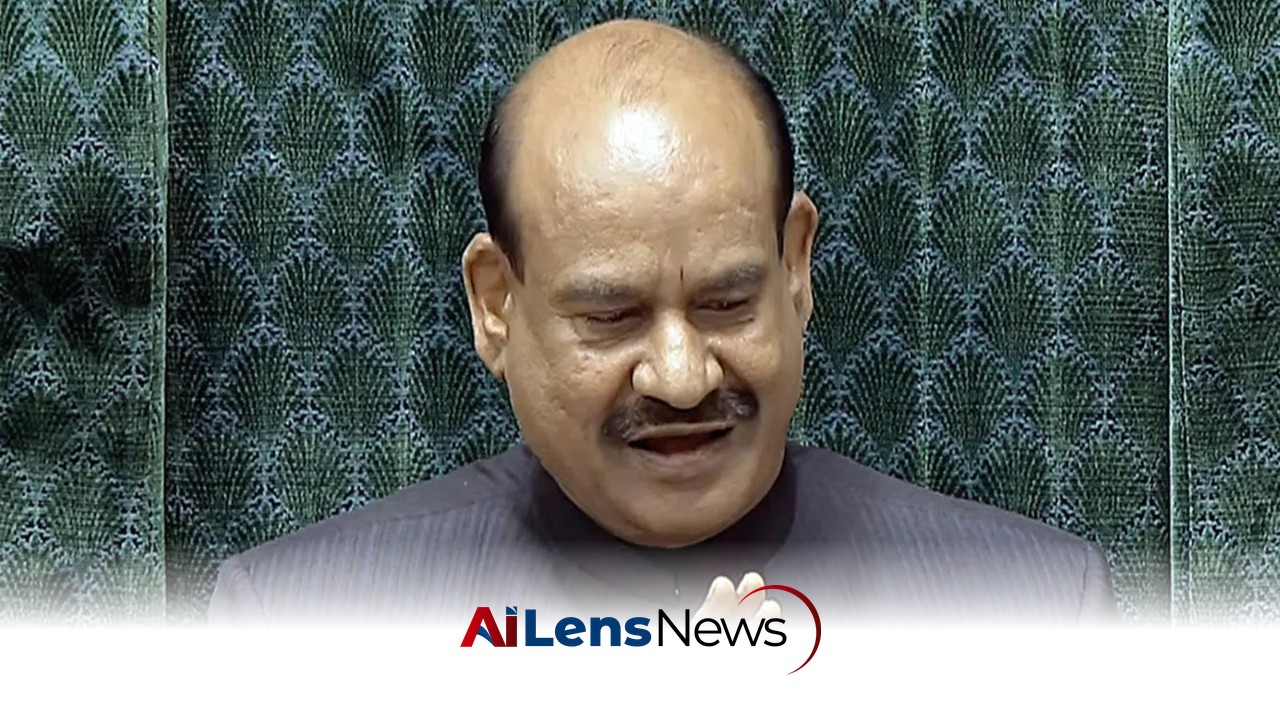


Lok Sabha Speaker Om Birla announced that the inquiry report on Justice Yashwant Varma's corruption charges will be presented in the upcoming monsoon session.
New Delhi, India Jul 5, 2026 ALN: Lok Sabha Speaker Om Birla has confirmed that the inquiry report regarding corruption charges against Justice Yashwant Varma will be presented during the forthcoming monsoon session of Parliament. This announcement comes despite Justice Varma's recent resignation from his position. The inquiry has been a subject of intense scrutiny and public interest, highlighting the significant implications it may have for the judiciary and its perceived integrity.
The report is expected to be tabled on the first day of the session, allowing the House to deliberate on the next steps following its presentation. The allegations against Justice Varma primarily revolve around financial irregularities that surfaced after a fire incident occurred at his residence in Delhi last year. The nature of these allegations has led to a deeper examination of the ethical standards expected of judicial officers, and whether those standards are being upheld within the highest echelons of the judiciary.
Justice Varma's case has garnered significant attention, raising questions about accountability and transparency within the judiciary. The judiciary is often regarded as the guardian of the Constitution and the arbiter of justice in society. Therefore, any allegations of misconduct or corruption can severely undermine public confidence in the legal system. This inquiry not only seeks to address the specific allegations against Justice Varma but also serves as a litmus test for the judiciary's ability to self-regulate and maintain its integrity.
The implications of the inquiry are profound. If the allegations are substantiated, it could lead to a broader discussion on the mechanisms in place for holding judges accountable. The judiciary has historically operated with a degree of autonomy, and while this is essential for judicial independence, it raises concerns about oversight and accountability. The outcome of this inquiry could prompt legislative or procedural reforms aimed at enhancing transparency within the judicial system.
As the monsoon session approaches, all eyes will be on Parliament to see how it addresses these serious allegations and what measures will be taken to uphold the integrity of the judiciary. The political ramifications of the inquiry are also significant, as various political factions may leverage the situation to further their own agendas. The ruling party and opposition will likely have differing views on how to approach the issue, which could lead to heated debates within the House.
Moreover, the inquiry into Justice Varma's conduct is not an isolated incident. It reflects a broader trend of increased scrutiny of judicial conduct in recent years. In recent years, there have been several high-profile cases involving allegations of misconduct against judges, leading to calls for reforms in the judicial appointment and accountability processes. The public's demand for transparency and accountability has grown, particularly in the wake of the increasing number of cases that highlight perceived injustices within the legal system.
The inquiry's findings may also influence public perception of the judiciary, which is crucial for maintaining the rule of law in a democratic society. The judiciary's legitimacy is derived from the public's trust in its ability to deliver justice impartially and without bias. Any erosion of this trust can have detrimental effects on the legal system as a whole, leading to a lack of faith in judicial decisions and processes.
In light of these developments, legal experts and commentators will be closely monitoring the proceedings of the inquiry and the subsequent reactions from both the government and the judiciary. The legal community is likely to engage in discussions about the implications of the inquiry's findings, as well as the potential need for reforms to prevent similar situations in the future. This scrutiny is particularly important given the potential for the findings to influence not only public perception but also the legislative framework governing judicial conduct.
Furthermore, the inquiry into Justice Varma raises questions about the intersection of law and politics. The involvement of Parliament in addressing judicial misconduct can be contentious, as it may lead to perceptions of political interference in judicial matters. It is essential for the government to navigate this situation carefully, ensuring that any actions taken are in line with democratic principles and do not undermine the judiciary's independence. The separation of powers is a cornerstone of democratic governance, and any perceived overreach by the legislative branch into judicial matters could set a worrying precedent.
As the inquiry unfolds, it will be crucial for all stakeholders involved to approach the situation with a commitment to transparency and fairness. The outcome of the inquiry will not only impact Justice Varma's future but will also serve as a critical juncture for the judiciary as it seeks to reinforce its credibility and uphold the rule of law. The implications of the inquiry extend beyond the immediate context, potentially influencing future cases of judicial accountability and the mechanisms that govern them.
In conclusion, the forthcoming monsoon session of Parliament will be pivotal in addressing the allegations against Justice Yashwant Varma. The inquiry report's presentation will set the stage for important discussions about judicial accountability and integrity. The implications of this case extend beyond the individual involved, touching on fundamental issues of trust and transparency within the legal system. As the nation watches closely, the actions taken by Parliament and the judiciary will have lasting effects on the public's perception of justice in the country.
Moreover, the inquiry could also serve as a catalyst for broader reforms within the judiciary. If the findings reveal systemic issues, it may prompt lawmakers to consider comprehensive reforms that enhance the mechanisms for judicial accountability. Such reforms could include stricter guidelines for the conduct of judges, enhanced oversight mechanisms, and clearer pathways for addressing complaints against judicial officers. The potential for reform is significant, as it could lead to a more robust and transparent judicial system that better serves the public interest.
As discussions unfold in Parliament, it will be important for members to engage in constructive dialogue that prioritizes the integrity of the judiciary while also addressing the concerns raised by the inquiry. The balance between judicial independence and accountability is delicate, and finding a path forward that respects both principles will be essential for maintaining public trust in the legal system. The outcome of this inquiry, therefore, will not only shape the future of Justice Varma but will also have broader implications for the judiciary as a whole, influencing how justice is perceived and administered in the country.
To learn more about the latest developments in Political Controversies, stay updated with our exclusive reports and analyses on AiLensNews.

