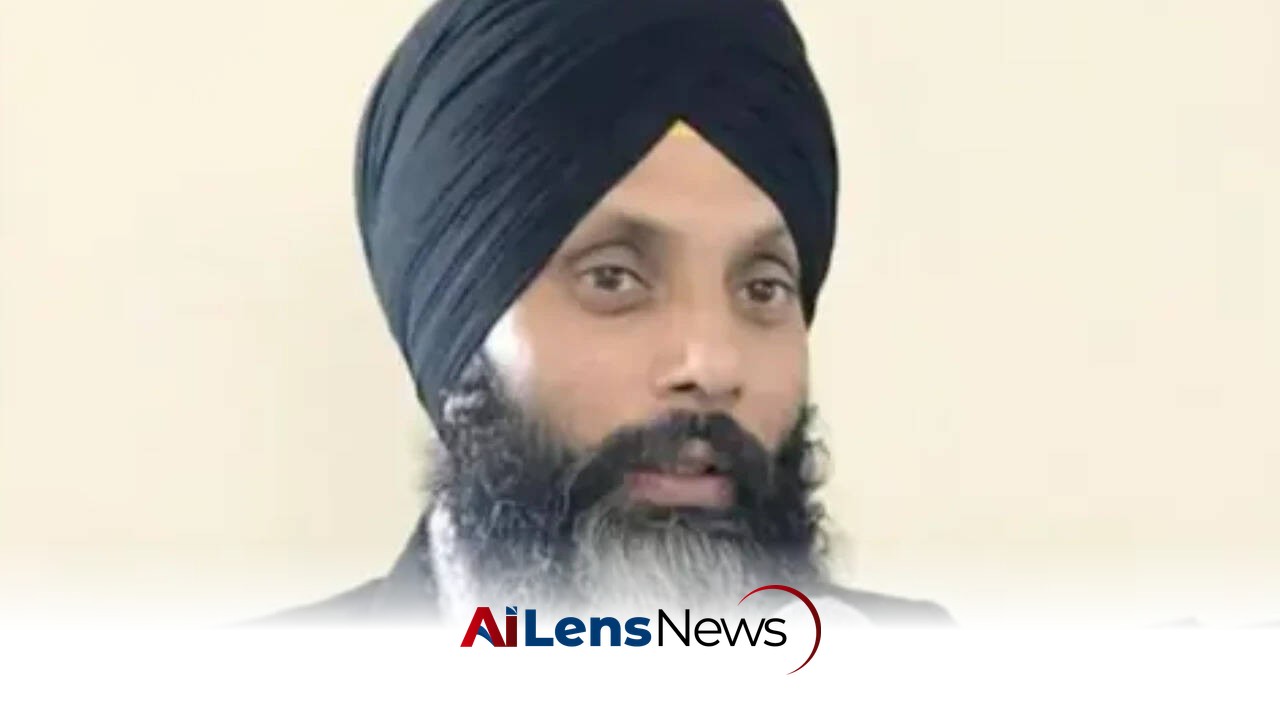


has expressed approval of Canada's RCMP remarks clarifying no government involvement in the Nijjar case, following U.S. charges against gangs.
New Delhi, India Jul 15, 2026 ALN: The recent statements from the Royal Canadian Mounted Police (RCMP) have been met with a positive reception from officials in , particularly in the context of the ongoing investigation into the killing of Khalistan separatist Hardeep Singh Nijjar. The RCMP clarified that there is no connection between the Canadian government and the charges brought forth by the United States against Lawrence Bishnoi and other gang members. This announcement is crucial as it attempts to disentangle the complex web of accusations and international relations that have arisen following Nijjar's controversial assassination.
The killing of Hardeep Singh Nijjar in June 2023 has been a flashpoint in the already fraught relationship between and Canada. Nijjar was a prominent advocate for an independent Sikh state, a cause that has gained traction among certain groups in the diaspora. His assassination has not only raised alarms regarding the safety of activists within the Khalistani movement but has also ignited a broader debate about the implications of separatism and terrorism on international relations.
In the wake of Nijjar's death, the U.S. government announced charges against several individuals, including Lawrence Bishnoi, who is alleged to have deep ties with various organized crime syndicates operating across North America. These developments have put a spotlight on the activities of gangs that are believed to be involved in violent crime and have raised questions about how these organizations intersect with political movements. The involvement of organized crime in political matters is a growing concern, as it complicates the narrative surrounding political activism and raises the stakes for all parties involved.
The n government has expressed its commitment to cooperating with international law enforcement agencies to dismantle these criminal networks. This cooperation is seen as essential not only for maintaining domestic security but also for enhancing international relations with allies like Canada. The acknowledgment by the RCMP that there is no governmental link to the charges in the U.S. serves to bolster this collaborative spirit. It is a significant step toward addressing the concerns that have emerged in the wake of Nijjar's assassination and the subsequent fallout.
Hardeep Singh Nijjar was a key figure in the Khalistani movement, which seeks to establish an independent Sikh state, Khalistan, within the n subcontinent. This movement has historically faced significant opposition from the n government, which views it as a separatist threat. Nijjar's activism, particularly in Canada, where a sizable Sikh community exists, has made him a prominent symbol of this struggle. His assassination has raised serious concerns about the safety of individuals advocating for such political causes, especially in the context of diaspora communities. The intersection of diaspora politics and national security has become increasingly relevant as communities abroad engage with issues affecting their homelands.
Following Nijjar's assassination, the U.S. Department of Justice's announcement of charges against Bishnoi and others linked to organized crime has added another layer of complexity to the situation. Bishnoi is alleged to have connections with various gangs that are thought to be involved in drug trafficking, extortion, and other criminal activities. The intersection of organized crime and political activism complicates the narrative surrounding Nijjar's death, as it raises questions about whether his assassination was politically motivated or a result of gang rivalry. This duality of motivations underscores the challenges faced by law enforcement and political leaders in addressing both crime and political dissent.
In response to the RCMP's statements, officials in have expressed gratitude for the clarity provided. A spokesperson for the n Ministry of External Affairs articulated that the remarks reinforce 's position against any unfounded allegations regarding governmental involvement in Nijjar's killing. This reaction reflects a broader diplomatic strategy aimed at strengthening ties with Canada while addressing mutual concerns over security and terrorism. The n government has long sought to distance itself from any implication of state-sponsored violence, especially in light of the sensitivities surrounding the Khalistani movement.
Political leaders in have emphasized the importance of maintaining a clear line of communication with Canadian authorities. They argue that such transparency is vital for fostering trust and cooperation between the two nations. The ongoing dialogue surrounding Nijjar's case and the subsequent charges against Bishnoi and others serve as a critical test for the diplomatic relationship between and Canada. Diplomats from both countries are likely to engage in discussions aimed at establishing protocols for addressing issues of mutual concern, particularly those that straddle the line between law enforcement and political activism.
The relationship between and Canada has been characterized by tension in recent years, particularly over issues related to separatism, terrorism, and organized crime. The recent developments regarding Nijjar's assassination and the clarification from the RCMP may offer a pathway to improved dialogue and collaboration between the two countries. Analysts suggest that both nations share a vested interest in maintaining a cooperative relationship, particularly in light of global security challenges that transcend national borders. The implications of this situation extend beyond immediate diplomatic relations, as both nations are likely to face scrutiny from international observers regarding their handling of domestic and diaspora-related issues.
As both nations grapple with the complexities of organized crime and political activism, continued engagement and open communication will be essential. The situation surrounding Nijjar's death highlights the need for both governments to navigate the intricacies of their relationship while addressing the underlying issues that have led to tensions in the past. Furthermore, the evolving dynamics of global politics, including the rise of transnational crime syndicates, may necessitate a reevaluation of existing diplomatic strategies.
In conclusion, 's welcome of Canada's remarks signifies a potential turning point in the ongoing discourse surrounding Nijjar's killing and its broader implications for international relations. The necessity for collaborative action against organized crime and terrorism is paramount, as both nations work to ensure the safety and security of their citizens. As the situation continues to evolve, the focus will likely shift towards how both governments can build upon this moment of clarity to foster a more stable and constructive partnership moving forward. The path ahead may involve not only addressing the immediate concerns raised by Nijjar's assassination but also developing frameworks for cooperation that can withstand the pressures of political activism and organized crime.
To learn more about the latest developments in Political Controversies, stay updated with our exclusive reports and analyses on AiLensNews.

