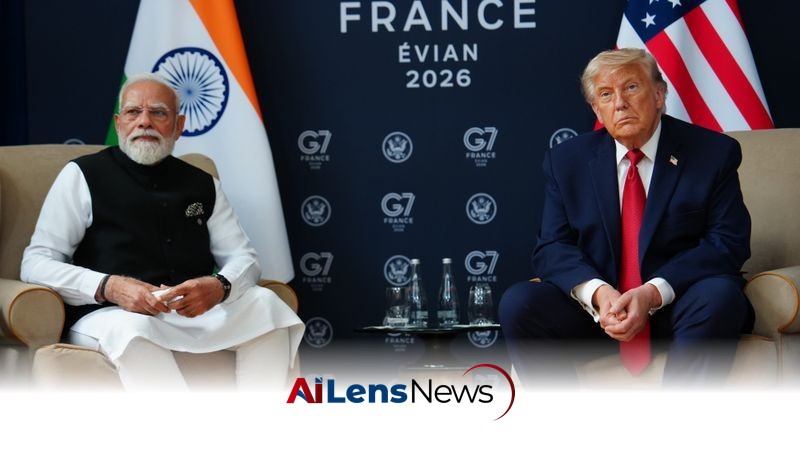


A new bill introduced by US senators aims to impose 100% tariffs on India for its continued purchase of Russian oil, part of a broader strategy to pressure nations amid the Ukraine conflict.
New Delhi, India Jul 16, 2026 ALN: In a significant move that could escalate tensions between the United States and India, a group of US senators has introduced a bill proposing a staggering 100% tariff on Indian imports of Russian oil. This legislative action is part of a broader strategy aimed at increasing pressure on nations that continue to engage in trade with Russia, particularly in light of the ongoing conflict in Ukraine. The geopolitical landscape has shifted dramatically since the onset of the war, and the response from various nations has been closely scrutinized.
The bill, which has garnered attention for its potential economic implications, seeks to target not only India but also other nations that have been identified as continuing to purchase Russian energy resources. The senators argue that such measures are necessary to hold countries accountable for their economic ties with Russia, which has faced widespread sanctions from Western nations since the onset of the war in Ukraine. The rationale behind this aggressive stance is rooted in a desire to weaken Russia's economic stability and limit its capacity to sustain military operations.
The introduction of this bill comes at a time when the US government is intensifying its efforts to isolate Russia economically. Since the beginning of the Ukraine conflict, the Biden administration has been vocal about its disapproval of countries that maintain trade relationships with Russia, particularly those that involve energy supplies. The proposed tariffs are seen as a tool to discourage such practices and to encourage nations to align more closely with Western policies regarding Russia. The sanctions already imposed on Russia have aimed to target key sectors of its economy, including finance, technology, and energy, with the intention of crippling its ability to fund the war.
India's position in this context is particularly complex. Historically, India has maintained a non-aligned stance in international conflicts, seeking to balance its relationships with both Western nations and Russia. The proposed 100% tariff on Russian oil imports could force India into a difficult situation, as it must weigh its energy security needs against the potential fallout from US sanctions. The Indian government has justified its purchases of Russian oil by citing the need for energy security and the availability of discounted prices on Russian oil. As Western nations have reduced their imports from Russia, India has stepped in to fill the gap, capitalizing on lower prices.
Should the bill pass, it could have profound implications for India's economy, particularly in terms of energy costs and trade balances. India is the world's third-largest oil importer, and any disruption in its energy supply could lead to increased prices for consumers and businesses alike. The Indian government may need to reassess its energy procurement strategies and explore alternative sources to mitigate the impact of such tariffs. This could involve increasing imports from other oil-producing nations, such as Saudi Arabia or the United States, or investing in renewable energy sources to reduce dependence on fossil fuels.
Moreover, the potential for retaliatory measures from India cannot be overlooked. India has a history of responding to trade sanctions with its own tariffs and restrictions, which could escalate tensions further. Such actions could lead to a tit-for-tat scenario, where both nations impose tariffs on each other's goods, adversely affecting bilateral trade relations. This would not only impact the economies of both nations but could also have wider repercussions for global trade, particularly in the energy sector.
The proposal has sparked a mixed response internationally. While some countries support the US stance on Russia, others criticize the bill as an overreach that could disrupt global energy markets. Countries that rely on Russian energy supplies may find themselves caught in the crossfire, facing pressure from the US while trying to maintain their energy security. Observers note that such tariffs could lead to retaliatory measures from India, further complicating diplomatic relations.
In addition, the proposed bill raises questions about the effectiveness of sanctions as a tool for achieving foreign policy goals. Critics argue that while tariffs may signal disapproval, they may not necessarily lead to the desired changes in behavior from targeted nations. Instead, they could drive countries to seek alternative partnerships, thereby diminishing US influence in the global arena.
The introduction of this bill by US senators marks a pivotal moment in international relations, particularly concerning energy trade and geopolitical alliances. It highlights the growing divide between Western nations and those that choose to maintain ties with Russia. As countries navigate this complex landscape, they must consider the long-term implications of their decisions on international diplomacy and trade.
Furthermore, the situation underscores the importance of energy security in the context of global politics. Nations are increasingly recognizing that their energy dependencies can shape their foreign policy decisions and alliances. As the world transitions towards renewable energy sources, the dynamics of energy trade are likely to shift, potentially reducing the leverage that oil-rich nations currently hold.
As the situation evolves, it will be crucial to monitor how countries respond to these proposed tariffs and the broader implications for global energy markets. The interplay between economic sanctions, energy security, and geopolitical alliances will continue to shape the international landscape in the coming years. In this context, the actions taken by the US and India will be closely watched by other nations, as they may set precedents for future interactions in the realm of international trade and diplomacy.
The relationship between the United States and India has historically been complex and multifaceted. During the Cold War, India adopted a policy of non-alignment, which often put it at odds with the US, especially as India sought closer ties with the Soviet Union. However, since the end of the Cold War, and particularly in the last two decades, the two nations have worked to strengthen their diplomatic and economic ties, driven by mutual interests in countering China's influence in the region and promoting trade.
In recent years, the US has recognized India as a key partner in its Indo-Pacific strategy, viewing it as a counterbalance to China's growing assertiveness. This partnership has been characterized by increased military cooperation, joint exercises, and a burgeoning trade relationship. However, India's continued engagement with Russia, particularly in defense and energy, has been a point of contention in US-India relations. The proposed tariffs could strain this partnership and lead to a reevaluation of bilateral cooperation on various fronts.
The global energy market is currently undergoing significant changes, driven by geopolitical tensions, climate change commitments, and technological advancements. The reliance on fossil fuels remains high, particularly in developing economies like India, which requires substantial energy imports to fuel its growing economy. The dynamics of energy security are crucial, as nations must navigate the complexities of sourcing energy while also adhering to international norms and pressures.
India's increasing imports of Russian oil have raised eyebrows in Washington, as the US seeks to reduce Russia's revenue from energy exports. The potential for this bill to reshape energy trade flows is significant; if India were to reduce its imports of Russian oil due to the tariff, it could lead to increased demand for oil from other producers, thus affecting global oil prices. Additionally, this could push India to accelerate its transition to renewable energy sources, which is a priority for the Indian government in light of climate change concerns.
As the proposed bill moves through the legislative process, its outcomes will likely depend on a variety of factors, including domestic political considerations within the US, India's response, and the broader geopolitical landscape. The implications of such tariffs are far-reaching, potentially reshaping not only US-India relations but also the global energy market and international diplomatic alignments.
In conclusion, the proposed 100% tariffs on Indian imports of Russian oil represent a critical juncture in US foreign policy, reflecting a hardening stance against nations that continue to engage with Russia. The response from India, along with the reactions from other nations, will be pivotal in determining the future trajectory of international relations and energy security in an increasingly multipolar world.
To learn more about the latest developments in Political Controversies, stay updated with our exclusive reports and analyses on AiLensNews.

