

The US has reinstated a naval blockade on Iran in the Strait of Hormuz, leading to heightened military tensions and international concerns over Gulf security.
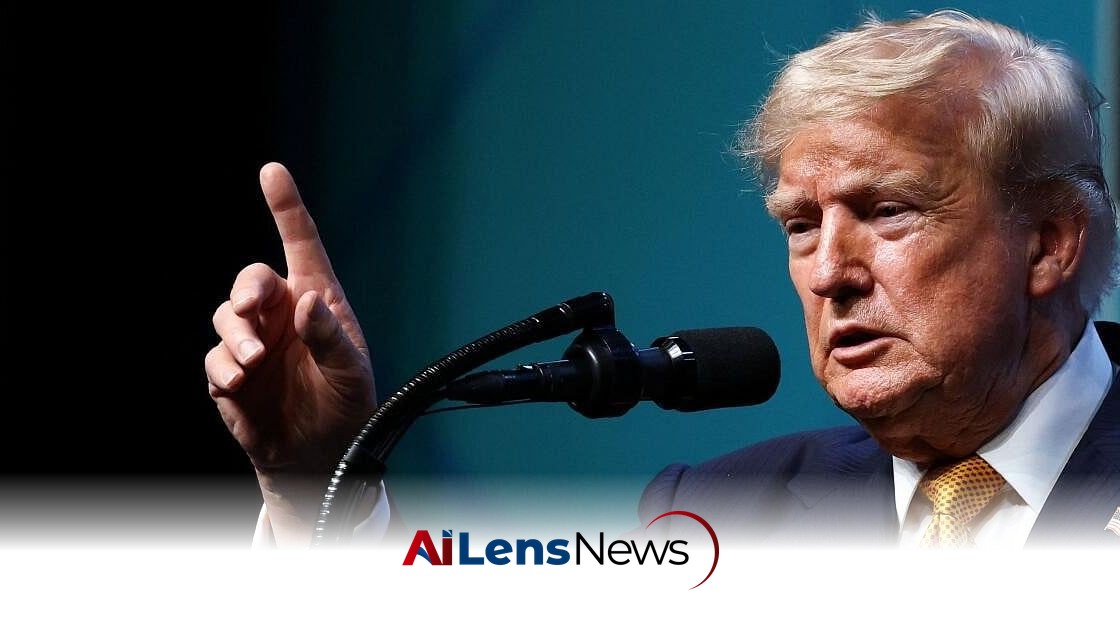
New Delhi, India Jul 13, 2026 ALN: In a significant escalation of military tensions in the Middle East, President Donald Trump announced the reinstatement of a naval blockade on Iran in the strategically vital Strait of Hormuz. This decision comes amidst ongoing hostilities between Iranian forces and US military personnel, with both sides asserting control over the crucial waterway that serves as a conduit for a substantial portion of the world's oil supply.
The Strait of Hormuz is one of the most critical maritime chokepoints globally, with approximately 20% of the world's oil passing through it. The area has long been a flashpoint for geopolitical tensions, particularly between Iran and the United States, which has maintained a military presence in the region since the late 20th century. The US has accused Iran of various provocative actions, including attacks on shipping and threats to block the strait, while Iran claims it has the right to control traffic through its territorial waters.
President Trump stated that the blockade would apply to all vessel traffic, regardless of flag, and announced a 20% charge on all cargo passing through the strait. The US Navy is set to begin enforcement of this blockade immediately, although details remain sparse. The announcement has raised alarm among international shipping companies and countries reliant on oil transportation through this route, as the imposition of such a blockade could lead to significant disruptions in global oil markets and trade.
The international community has responded with concern over the potential for increased hostilities in the region. The United Nations' shipping agency has expressed its opposition to any fees imposed on ships traversing maritime waterways, awaiting further clarification on the US's plans. UN Secretary-General Antonio Guterres has raised alarms over the escalating military confrontations in the Gulf region, highlighting Iranian attacks on shipping and US strikes on Iranian positions. The UN has called for de-escalation and dialogue to address the rising tensions.
Countries that rely heavily on oil imports from the Gulf region are particularly anxious about the implications of the blockade. The potential for increased shipping costs and the risk of military engagements could lead to fluctuations in global oil prices, impacting economies worldwide. Analysts warn that if the situation deteriorates further, it could lead to a broader regional conflict, drawing in multiple nations and destabilizing an already volatile area.
In related developments, the Houthi movement in Yemen has accused Saudi Arabia of conducting airstrikes on Sanaa airport, vowing retaliation. This accusation comes as the Houthis continue to engage in conflict with the Saudi-led coalition, further complicating the regional security landscape. The Houthis, who are backed by Iran, have launched numerous attacks against Saudi targets, emphasizing the interconnected nature of conflicts in the region.
The ongoing conflict in Yemen, which has been described as one of the worst humanitarian crises in the world, adds another layer of complexity to the situation. With Iran supporting the Houthis, any military escalation involving Iran could have repercussions for the Saudi-led coalition's operations in Yemen and increase the risk of a wider confrontation between Iran and its regional adversaries.
US forces have reportedly struck Iranian military facilities, including a submarine maintenance site, as part of their ongoing military operations in the region. These strikes are part of a broader strategy to deter Iranian aggression and protect maritime navigation in the Gulf. Iran has responded with its own military actions, asserting its right to manage traffic through the Strait of Hormuz and warning against any US intervention. The Iranian military has stated that it will respond decisively to any perceived threats to its sovereignty.
The exchange of fire between US and Iranian forces has intensified, with both sides claiming control over the strategic strait. The Iranian military has warned that any cooperation between Gulf states and the US would be considered an act of war. This rhetoric indicates a potential escalation in hostilities, as both nations remain locked in a cycle of retaliatory strikes, raising concerns about the potential for a broader conflict in the region.
As the situation continues to evolve, the cycle of violence shows no signs of abating. The US has increased its military presence in the Gulf, deploying additional naval assets to deter Iranian aggression. Meanwhile, Iran has continued to conduct military drills and assert its influence over the Strait of Hormuz, signaling that it will not back down in the face of US pressure.
The potential for miscalculation remains high, as the presence of military forces from both countries in close proximity increases the risk of accidental engagements. Analysts warn that a single incident could trigger a larger conflict, with both sides having the capability to inflict significant damage on each other’s military and economic infrastructure.
Despite the military engagements, the US Navy has stated that humanitarian shipments will be permitted, subject to inspection. However, the ongoing violence raises questions about the safety and security of maritime operations in the region. Humanitarian organizations have expressed concerns that the blockade could exacerbate the already dire humanitarian situation in Iran, where economic sanctions have led to shortages of essential goods and services.
The potential for increased military conflict could also hinder humanitarian efforts in Yemen, where millions are in need of assistance due to the ongoing war. Any disruption to shipping routes could delay essential supplies, further worsening the humanitarian crisis in the region.
The reinstatement of the US naval blockade on Iran marks a critical juncture in the ongoing conflict, with significant implications for Gulf security and international shipping. As both nations assert their positions, the potential for further escalation looms large. The international community watches closely, hoping for a resolution that avoids a broader conflict and addresses the underlying issues driving tensions in the region.
In summary, the current situation in the Gulf is a complex interplay of military, economic, and humanitarian factors that require careful navigation to avoid a catastrophic escalation. The stakes are high, not only for the involved parties but also for global security and economic stability.
To learn more about the latest developments in Political Controversies, stay updated with our exclusive reports and analyses on AiLensNews.

