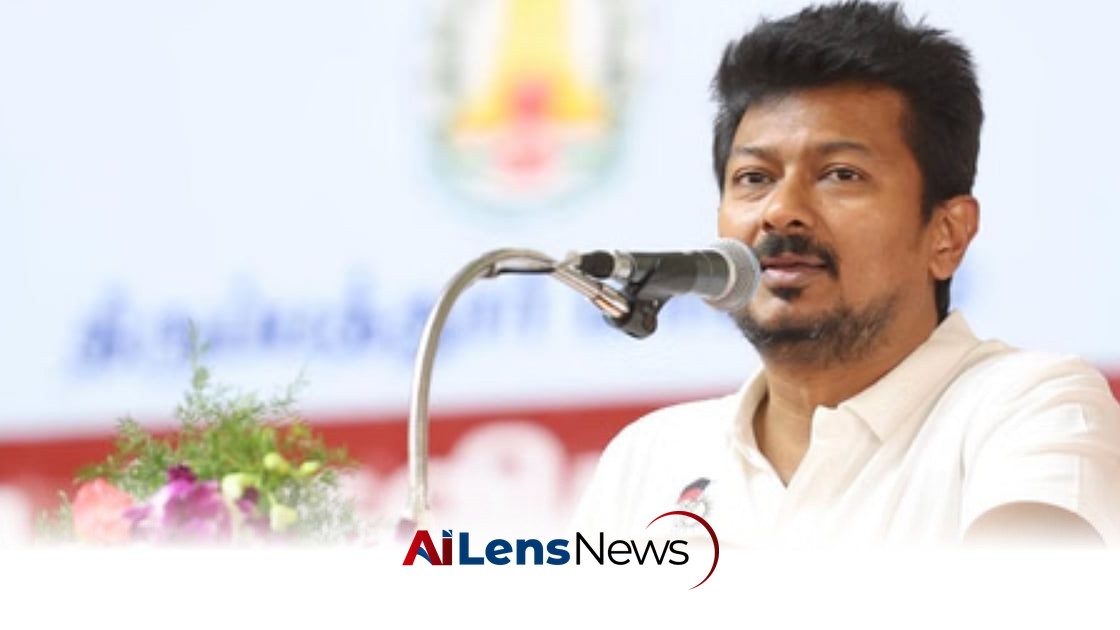


Opposition leader Udhayanidhi Stalin condemns the custodial death of Sabarivarman, urging immediate action against involved police personnel.
New Delhi, India Jul 14, 2026 ALN: Leader of the Opposition Udhayanidhi Stalin has condemned the alleged custodial death of Sabarivarman in Nagercoil and is demanding stringent action against the police personnel involved. The incident has sparked outrage among various sections of society, highlighting ongoing concerns regarding custodial violence and police accountability in India.
Custodial deaths, which refer to fatalities that occur while an individual is in police custody, have been a contentious issue in India. Such incidents raise serious questions about human rights, the treatment of individuals in police custody, and the need for systemic reforms within law enforcement agencies. Sabarivarman's case is particularly alarming given the allegations of police brutality against a person with a disability, which underscores the vulnerabilities faced by marginalized groups within the justice system.
According to police reports, Udhayanidhi stated that the department claimed Sabarivarman was in good health at the time of his arrest and died after falling ill during the enquiry. This assertion is often a standard defense used by law enforcement agencies in similar cases, where they attempt to shift the narrative away from potential police misconduct. However, the victim's family alleges that Sabarivarman, who had a disability, was beaten by police while in custody. This contradiction between official statements and family allegations raises critical concerns about the transparency and integrity of police investigations.
Udhayanidhi emphasized, "Sabarivarman's family is protesting, alleging that he was assaulted by the police despite being a person with a disability. The Chief Minister must respond appropriately to this situation." His remarks reflect a broader demand for accountability and justice, which has become increasingly vocal in the wake of numerous high-profile custodial deaths across the country. Activists and human rights organizations have long called for police reforms and better training for officers to handle vulnerable populations sensitively.
The DMK leader has called on the State government to take immediate action against the officers responsible for this incident. His demands highlight the urgent need for a thorough and impartial investigation into the circumstances surrounding Sabarivarman's death. In many cases, families of victims have expressed frustration with the slow pace of justice and the lack of accountability for those in power. Udhayanidhi's insistence on swift action reflects a growing impatience among the public regarding police impunity.
He further alleged that the ruling party is applying "one law for ordinary citizens and another for ruling party functionaries." This assertion points to a perceived double standard in the enforcement of the law, which has been a recurring theme in political discourse in Tamil Nadu and across India. Udhayanidhi's comments suggest that the public may be losing faith in the justice system, particularly when it appears to favor those with political connections or influence.
Udhayanidhi contrasted Sabarivarman's custodial death with the release of a TVK functionary accused in a similar gutka smuggling case. This comparison not only illustrates the disparities in how individuals are treated based on their socio-political status but also raises questions about the integrity of the legal process. Udhayanidhi pointed out that TVK functionary Arun, arrested in Erode for a gutka-related case, was released on station bail the very same day, while Sabarivarman is now deceased. Such disparities can lead to public outrage and a sense of injustice, particularly when they involve serious allegations of misconduct by law enforcement agencies.
"The Chief Minister, who oversees the police department, must answer these allegations," Udhayanidhi concluded. His call for accountability is echoed by many citizens and civil rights advocates who are demanding a more just and equitable legal system. The implications of Sabarivarman's case extend beyond individual tragedy; they reflect systemic issues within the police force and the broader justice system in India.
In recent years, there have been increasing calls for police reforms in India, particularly in response to incidents of custodial violence. Activists argue that the current legal framework often protects police personnel from accountability, thus perpetuating a culture of impunity. There is a growing consensus that reforms must include better training for officers, the establishment of independent oversight bodies to investigate allegations of police misconduct, and the implementation of strict penalties for those found guilty of human rights violations.
The issue of custodial deaths is not confined to Tamil Nadu; it is a national problem that requires urgent attention from policymakers. The National Crime Records Bureau (NCRB) has reported a disturbing trend of rising custodial deaths across India, raising alarm among human rights organizations. These statistics underscore the need for comprehensive reforms aimed at protecting the rights of individuals in police custody and ensuring that law enforcement agencies act within the bounds of the law.
Furthermore, the narrative surrounding custodial deaths often intersects with broader social issues, including caste, class, and disability rights. Sabarivarman's case, in particular, shines a light on the challenges faced by individuals with disabilities, who may be disproportionately affected by police violence and discrimination. As discussions about inclusivity and equity gain traction in Indian society, it is imperative that the voices of marginalized communities are heard and that their rights are protected.
In summary, Udhayanidhi Stalin's demands for action in the case of Sabarivarman's custodial death reflect a growing discontent with police practices and the urgent need for reform in the justice system. The implications of this incident extend beyond the immediate context, highlighting systemic issues that must be addressed to prevent further tragedies. As public awareness and advocacy for justice continue to grow, it is crucial for authorities to respond appropriately to such incidents and work towards a more equitable and accountable legal framework.
To learn more about the latest developments in Political Controversies, stay updated with our exclusive reports and analyses on AiLensNews.

