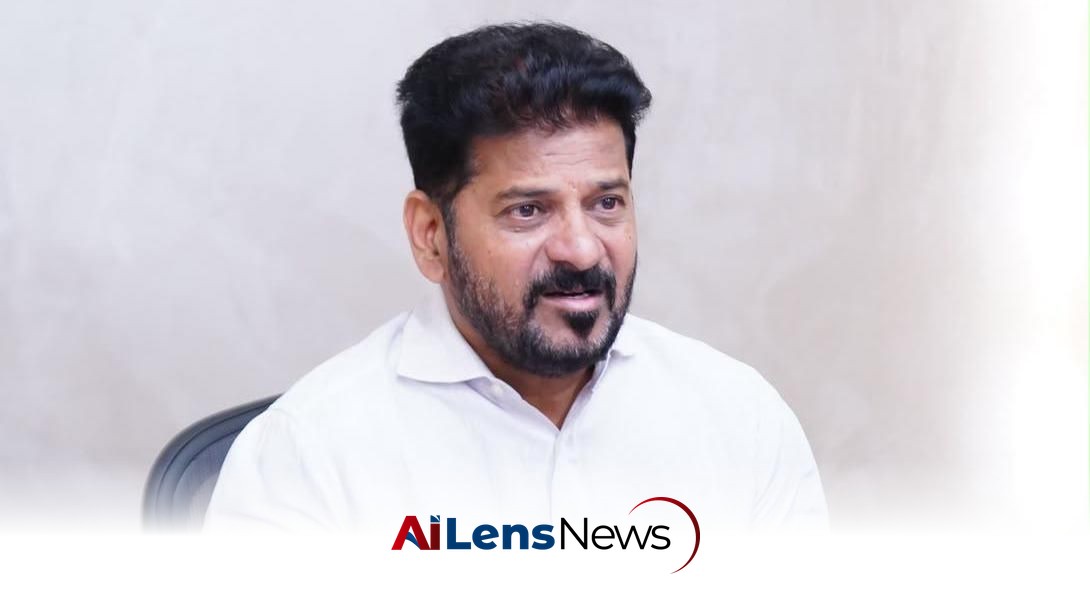


Chief Minister A. Revanth Reddy has proposed the establishment of a dedicated traffic management bureau in Hyderabad to enhance road safety and reduce congestion through smart signalling.
Hyderabad, India Jul 24, 2026 ALN: Hyderabad: Chief Minister A. Revanth Reddy on Friday directed officials to establish a dedicated bureau to monitor traffic management and road safety in Telangana and asked them to study the feasibility of introducing a smart signalling system to reduce traffic congestion in the city.
This initiative comes in response to growing concerns over traffic management in Hyderabad, which has seen a significant increase in vehicle numbers over the past decade. The city, known for its rapid urbanization, has struggled to keep pace with the demands of its expanding population and the corresponding rise in traffic. The Chief Minister's proposal aims to create a systematic approach to address these challenges through a specialized bureau focused on traffic regulation and safety.
During a review meeting on traffic management, road safety, drug prevention, and security, the Chief Minister emphasized the need for an institutional framework for the proposed bureau. He called for a comprehensive study of traffic and road safety requirements across the state to inform its establishment. This approach reflects a growing recognition among policymakers that effective traffic management requires not only enforcement of rules but also a deep understanding of the underlying issues affecting road safety.
Revanth Reddy stated that the bureau should be mandated to review measures for improving traffic regulation once every two or three months. This regular assessment is intended to ensure that traffic management strategies remain responsive to changing conditions. He stressed that merely imposing traffic rules would not solve the problem and called for greater emphasis on effective traffic regulation, which includes a combination of technology, infrastructure improvements, and public awareness campaigns.
In addition to the establishment of the bureau, the Chief Minister directed officials to prepare traffic management plans that take into account various factors such as weather changes, working hours, and peak traffic periods. This holistic approach is essential for developing strategies that can adapt to the dynamic nature of urban traffic. Furthermore, he emphasized the importance of conducting traffic impact studies before initiating new infrastructure projects, ensuring that such developments do not exacerbate existing congestion issues.
Addressing the alarming rise in road accidents, particularly on the Outer Ring Road (ORR), Revanth Reddy pointed out that vehicles parked indiscriminately were contributing to serious accidents. He directed officials to implement preventive measures and ensure continuous monitoring to prevent unauthorized parking. This highlights the need for stricter enforcement of parking regulations, as well as the potential for creating designated parking areas to alleviate congestion and enhance road safety.
The Chief Minister observed that traffic congestion was worsening in the Hyderabad Core Urban Region, primarily due to motorists frequently stopping at closely spaced traffic signals. To address this issue, he suggested constructing underpasses and elevated corridors in Hyderabad. These infrastructure projects are aimed at facilitating uninterrupted vehicle movement and minimizing stoppages at signals, thus improving overall traffic flow. The introduction of a smart signalling system was also proposed as a means to enhance traffic management and reduce congestion in the city.
On the topic of drug prevention, the Chief Minister reiterated the government's commitment to curbing drug abuse. He instructed officials to adopt a stringent approach and consider implementing tougher regulations to combat this growing menace. Drug abuse, particularly among youth, poses significant challenges to public health and safety, necessitating a robust response from the government.
Revanth Reddy called for measures to prevent drug abuse in educational institutions, advocating for obtaining declarations from students and holding educational institutions accountable for drug-related incidents. This reflects a proactive stance aimed at fostering a safer environment for students and addressing the root causes of drug abuse within educational settings. He proposed that principals of government educational institutions should be held responsible for drug-related incidents occurring on their campuses, thereby encouraging them to take a more active role in prevention efforts.
Moreover, the Chief Minister urged officials to establish a mechanism to identify drug-related activities occurring outside campus environments and provide timely information to the authorities. This comprehensive approach underscores the importance of collaboration between educational institutions and law enforcement agencies in tackling drug-related issues. He called for special units within institutions to monitor changes in students' behavior regularly and take timely action when necessary.
To facilitate reporting of drug-related activities, he suggested examining the feasibility of setting up a toll-free number and a dedicated QR code on educational campuses. This initiative aims to empower students and others to report suspicious activities anonymously, fostering a culture of vigilance and responsibility within the educational community.
The Chief Minister outlined a three-pronged strategy to prevent drug abuse in educational institutions: first, identifying students who consume drugs; second, providing support to those identified to help them overcome their addiction; and third, taking stringent action against individuals involved in supplying drugs. This comprehensive strategy is designed to address the issue from multiple angles, focusing not only on punishment but also on rehabilitation and prevention.
In terms of enforcement, he directed officials to consider sending first-time offenders caught consuming drugs to de-addiction centers while examining strict punishment for repeat offenders. This approach seeks to balance accountability with compassion, recognizing that addiction is a complex issue that requires supportive interventions alongside punitive measures. The Chief Minister also suggested studying the possibility of enacting new laws, if necessary, to deal firmly with drug-related offenses, reflecting a commitment to adapt legal frameworks to effectively address emerging challenges.
The review meeting was attended by several high-ranking officials, including government advisers P Sudarshan Reddy and K. Ramakrishna Rao, Chief Secretary Sanjay Jaju, DGP C.V. Anand, and various principal secretaries and department heads. Their presence underscores the collaborative effort required to tackle these pressing issues effectively. The diverse expertise represented in the meeting is vital for developing integrated solutions that address both traffic management and public health concerns.
In conclusion, the proposals put forth by Chief Minister A. Revanth Reddy represent a proactive approach to addressing the intertwined challenges of traffic management and drug abuse in Hyderabad. As the city continues to grow, the establishment of a dedicated traffic management bureau and the introduction of a smart signalling system could play critical roles in enhancing road safety and improving traffic flow. Simultaneously, the commitment to curbing drug abuse in educational institutions reflects a broader societal concern for the well-being of the youth and the community at large. The success of these initiatives will depend on effective implementation, continuous monitoring, and collaboration among various stakeholders, including government agencies, educational institutions, law enforcement, and the community.
To learn more about the latest developments in Elections, stay updated with our exclusive reports and analyses on AiLensNews.

