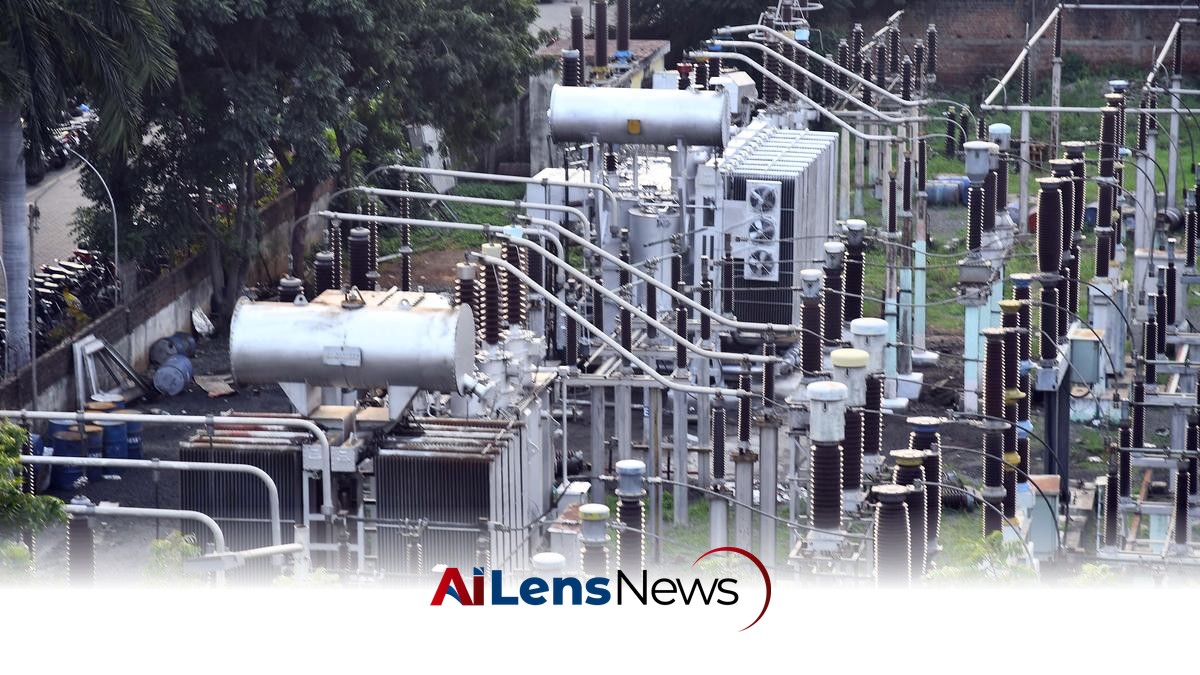


A recent study suggests that privatization may not benefit 's power distribution, citing low losses and good service quality.
Chennai, India Jul 13, 2026 ALN: A recent assertion by Minister for Energy Resources R. Nirmalkumar that electricity distribution would not be privatized in the State is not only a policy statement but also a reiteration of the finding of a study commissioned by the 16th Finance Commission on the financial performance of electricity distribution companies (DISCOM). This announcement comes at a time when discussions around privatization in the power sector are gaining traction across various regions in the country. The Minister's declaration highlights a commitment to maintaining public control over the electricity distribution sector, which has significant implications for consumers, the economy, and the overall structure of the energy sector in the State.
Carried out by Prayas, a Pune-based non-governmental and non-profit body, the study states that “privatization can improve operational efficiency and may be relevant in DISCOMs with unmanageably high AT&C [Aggregate Technical and Commercial] losses. However, it may not lead to major benefits” in States such as this one, where “AT&C losses are low and supply and service quality is relatively good.” The study's findings are significant as they suggest that privatization may not be a one-size-fits-all solution and that the specific conditions and performance metrics of each region must be considered when discussing potential reforms in the power distribution sector.
According to the 14th edition of the Power Finance Corporation (PFC)’s Integrated Rating and Ranking of Power Distribution Utilities across the country, the State's AT&C losses were reported at 10.92% for 2022-23, 11.39% for 2023-24, and 10.96% for 2024-25. These figures stand in stark contrast to the all-India average figures of 15.22%, 15.97%, and 15.04% respectively. This data underscores the relatively efficient performance of the State's DISCOMs compared to the national average, further justifying the Minister's stance against privatization. Additionally, the Consumer Service Ratings of the DISCOMS prepared by the REC (formerly Rural Electrification Corporation) indicate that the Power Distribution Corporation’s score regarding distribution transformer (DT) failure rate, which is an indicator of supply and service quality, was 2.65% for 2024-25 against the national average of 5.02%. With approximately 4.48 lakh DTs in the State, these performance metrics reflect a robust operational framework that could be undermined by the introduction of privatization.
Beyond the two performance parameters, the issue of privatization raises further questions regarding the willingness of private players to engage in the distribution of electricity in the State. The State has approximately 24 lakh agricultural connections, a substantial portion of which is located in the Cauvery delta, alongside challenging terrains such as the Jawadhu Hills. Given the inherent complexities and financial implications of serving these areas, it is likely that private firms would prefer to target more lucrative segments of the market, such as urban consumers, rather than take on the responsibility of rural and less profitable connections. This potential reluctance from private players raises critical concerns about the feasibility and fairness of privatization, as it could lead to a situation where the government is left to manage the more challenging and less profitable segments of electricity distribution, ultimately weakening the financial viability of the DISCOM.
The historical context of electricity distribution in the State also plays a significant role in the current discussions surrounding privatization. Despite the REC’s push over 15 years ago, the State did not agree to allow franchisees to run rural power supply. Up until the late 1990s, a few electricity cooperative societies operated in areas such as Thirumayam and Kumbakonam, but these were later merged with the now-abolished Electricity Board (TNEB). This historical precedent indicates a long-standing reluctance among successive governments to embrace privatization or allow third-party involvement in electricity distribution, reflecting a commitment to maintaining state control over essential services.
The financial health of the State's DISCOMs is another critical aspect to consider in the context of privatization. The key problem with the TNPDCL or its predecessors has been the gap between the Average Cost of Supply and the Average Revenue Realized. However, in recent times, this gap has been narrowing, turning positive (₹+0.04/unit) on a provisional basis during 2025-26. This improvement, while promising, has not been achieved solely through operational efficiency or full recovery of costs from consumers. The State government’s White Paper attributes this positive shift to substantial loss funding support provided by the State government, which was necessitated by conditions imposed by the Union government. This reliance on government support raises concerns about the sustainability of the current model and whether privatization would genuinely resolve the underlying issues or simply shift the burden elsewhere.
The prescription suggested in the government’s White Paper is a “comprehensive resolution framework” that encompasses tariff path adjustments, subsidy rationalization, debt restructuring, and operational reform. This multifaceted approach aims to address the systemic issues within the power distribution sector and suggests that targeted reforms may be more effective than a blanket privatization strategy. As hinted in the study commissioned by the Finance Commission, issues such as cost-reflective pricing, regulatory certainty, and performance accountability need to be addressed effectively, rather than merely pursuing privatization in a State characterized by relatively low AT&C losses and satisfactory supply quality. Without addressing these fundamental challenges, financial stress within the system may only be redistributed, rather than resolved, leading to further complications down the line.
In conclusion, the Minister's assertion against the privatization of electricity distribution in the State reflects a broader understanding of the unique challenges and strengths present in the local energy sector. The findings from the Finance Commission study, combined with the historical context and current financial metrics, suggest that a more tailored approach to reform may yield better results than a sweeping privatization initiative. The potential implications of privatization, including the risk of neglecting less profitable consumer segments and the historical reluctance to embrace private involvement, highlight the need for careful consideration and strategic planning in the ongoing evolution of the State's electricity distribution landscape.
To learn more about the latest developments in Political Controversies, stay updated with our exclusive reports and analyses on AiLensNews.

