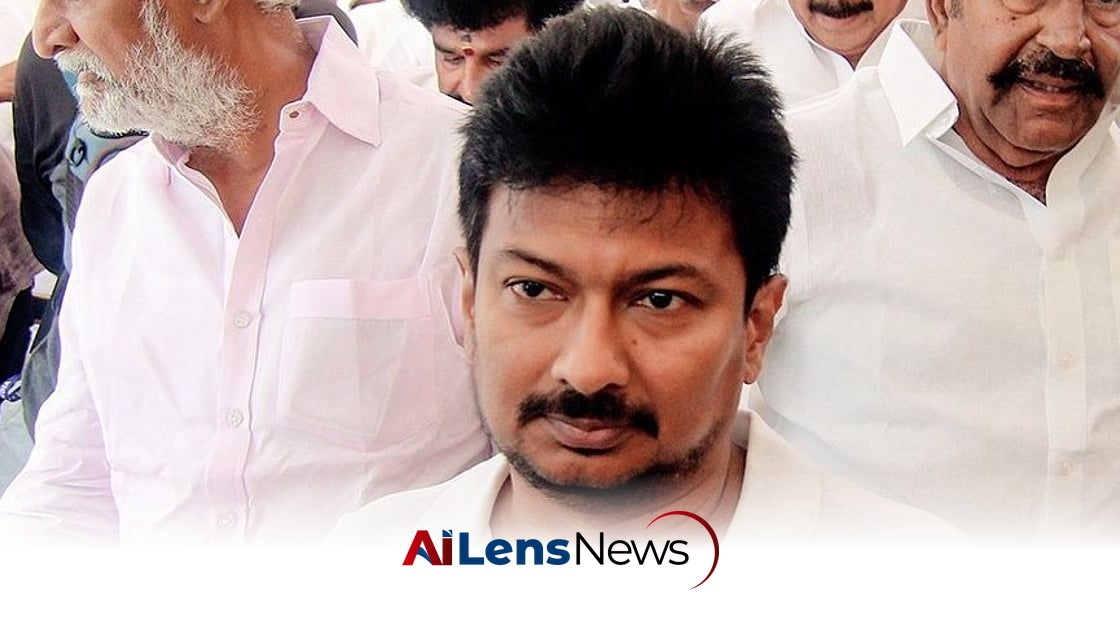


Tamil Nadu Assembly Opposition Leader Udhayanidhi Stalin criticized the arrest of rapper Therukkural Arivu, highlighting the need for voices against NEET to be heard.
Chennai, India Jul 21, 2026 ALN: Tamil Nadu Assembly Opposition Leader Udhayanidhi Stalin on Tuesday condemned the arrest of rapper Therukkural Arivu for protesting against the NEET examination. This incident has sparked significant debate and concern regarding the treatment of dissent in the state and the implications of the National Eligibility cum Entrance Test (NEET) on students across India.
According to videos and reports, Arivu was detained by the police while protesting outside the Tamil Nadu Secretariat in Chennai. This location is significant as it is the administrative headquarters of the Tamil Nadu government, making it a focal point for political demonstrations. After his detention, Arivu was later invited to meet Chief Minister Vijay in person, where they discussed the contentious issue of NEET. Following the meeting, he was accompanied by Minister Aadhav Arjuna until he exited the premises, as seen in various videos circulating on social media.
Therukkural Arivu, known for his socially conscious lyrics and activism, had staged the protest demanding that Chief Minister Vijay raise his voice against NEET. The examination has been a point of contention in Tamil Nadu, with many arguing that it disproportionately affects students from marginalized backgrounds and rural areas. The arrest of Arivu raises questions about freedom of expression, particularly in the context of peaceful protests aimed at advocating for educational reforms.
In a post on X, Udhayanidhi criticized the Vijay-led Tamil Nadu government for arresting Therukkural Arivu, whom he described as his dear brother. Udhayanidhi's statement reflects a growing sentiment among opposition leaders and activists who believe that the government is stifling dissent and disregarding the voices of the youth. He stated that Arivu's voice reflects the feelings and demands of lakhs of people across Tamil Nadu and the country, emphasizing the widespread discontent regarding NEET.
Udhayanidhi also pointed out that the arrest came at a time when protests and rallies against NEET were intensifying across India, indicating a national movement against the examination. The protests are often fueled by the belief that NEET undermines the educational aspirations of students from economically weaker sections and that it creates an uneven playing field in the medical entrance examination process.
Udhayanidhi asserted that the action against Arivu sends a worrying message to Tamil Nadu's youth who are planning to take to the streets in support of young people protesting against NEET in Delhi. The implication here is that the government's response to dissent may deter young activists from voicing their concerns, thereby stifling important discussions around educational policies. He alleged that the NEET examination is not only filled with irregularities but has also become a major scam, a claim that echoes the sentiments of many critics who argue that the exam's implementation has been marred by corruption and mismanagement.
Critics of NEET argue that the examination system favors students from urban areas with access to better educational resources, leaving rural students at a significant disadvantage. Moreover, there are concerns about the mental health implications for students who face immense pressure to perform well on a single standardized test that determines their future in the medical field. Udhayanidhi's remarks highlight the urgency of addressing these issues, particularly as the voices of the youth are increasingly marginalized in public discourse.
The controversy surrounding NEET is not limited to Tamil Nadu; it reflects a broader national debate about educational equity and access. Many states have expressed their opposition to the examination, citing similar concerns about its fairness and impact on students' futures. The protests against NEET have gained momentum over the years, with various student organizations and political parties rallying for its abolition or reform.
In light of these developments, the Tamil Nadu government's approach to handling protests and dissent will likely come under scrutiny. The incident involving Therukkural Arivu serves as a reminder of the delicate balance between maintaining public order and respecting the democratic right to protest. As the situation unfolds, it remains to be seen how the government will respond to the growing calls for reform in the educational system and whether it will engage in meaningful dialogue with students and activists.
Furthermore, the implications of this incident extend beyond the immediate context of the NEET protests. It raises critical questions about the role of artists and public figures in political discourse and activism. As a rapper, Arivu uses his platform to address social issues, and his arrest may galvanize further support for the movement against NEET. The intersection of art and activism has historically played a crucial role in social change, and this incident may serve as a catalyst for renewed efforts to challenge existing educational policies.
In conclusion, the arrest of Therukkural Arivu has not only highlighted the ongoing tensions surrounding NEET but also underscored the importance of safeguarding the rights of individuals to express dissent. As protests continue to unfold, the Tamil Nadu government will need to navigate the complex landscape of public sentiment, youth activism, and educational reform, all while ensuring that the voices of its citizens are heard and respected.
The NEET examination was introduced in 2013 to streamline the process of admissions to medical colleges across India. However, it has faced backlash for various reasons, including allegations of bias against students from rural backgrounds who may not have access to the same quality of education as their urban counterparts. The examination's perceived inequities have fueled a growing movement among students and activists who argue that it undermines the principle of equal opportunity in education.
In Tamil Nadu, the opposition to NEET has been particularly pronounced, with numerous protests and petitions calling for its abolition. The state government has previously expressed its discontent with the NEET system, arguing that it goes against the principles of social justice and equitable access to education. The recent arrest of Arivu could be seen as a flashpoint in this ongoing struggle, potentially leading to increased activism and mobilization among students and young people across the state and beyond.
As the discourse surrounding NEET continues to evolve, it is crucial for policymakers to engage with the concerns raised by students, educators, and activists. Addressing the systemic issues within the education system, including the impact of standardized testing on student mental health and performance, will be essential in fostering a more equitable and just educational landscape. The government's response to the protests and dissent will play a significant role in shaping the future of educational policy in Tamil Nadu and potentially across the country.
The intersection of culture, politics, and education is complex, and incidents like the arrest of Therukkural Arivu serve as reminders of the power of youth voices in shaping the future. As the protests against NEET gain momentum, it is imperative that the government listens to the concerns of its citizens and works collaboratively to address the pressing issues facing the education system.
To learn more about the latest developments in Political Controversies, stay updated with our exclusive reports and analyses on AiLensNews.

