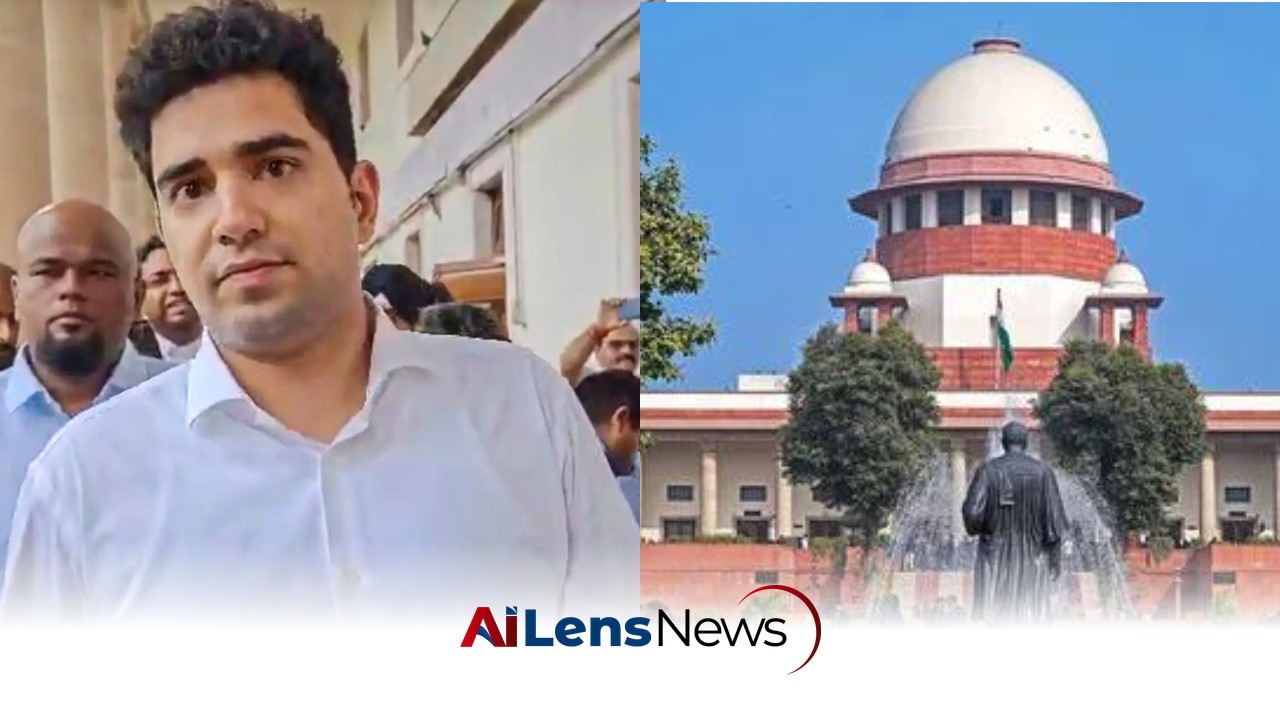


The Supreme Court has criticized Samay Raina and other influencers for ignoring its directives, emphasizing their role as youth icons.
New Delhi, India Jul 14, 2026 ALN: On Tuesday, the Supreme Court expressed its discontent with comedian Samay Raina and popular YouTubers Ranveer Allahbadia and Ashish Chanchlani for their failure to adhere to previous court orders. The court's remarks highlighted the responsibility these self-styled youth icons have towards their audience. This incident has sparked widespread conversation about the role of influencers in society and the legal obligations they may have in their public personas.
The reprimand came during a hearing where the court addressed the importance of compliance with its directives. The Supreme Court underscored that public figures, especially those with significant influence over the youth, must set a positive example. The case against these comedians and influencers stems from earlier legal issues that required them to follow certain guidelines related to their content creation and public communications. These guidelines were likely established to ensure that their influence does not lead to misinformation or harmful behavior among their followers.
In recent years, the rise of social media has significantly changed the landscape of influence and celebrity. Influencers, particularly those in the comedy and entertainment sectors, have amassed large followings on platforms like YouTube, Instagram, and TikTok. Their ability to reach millions of young people gives them a unique power to shape opinions, trends, and behaviors. However, this power comes with an inherent responsibility, which the Supreme Court has now emphasized through its reprimand.
The court stated,
"Let them suffer now,"
indicating that the consequences of their non-compliance could serve as a lesson for them and others in similar positions. This remark underscores the court's position that accountability must be enforced, especially for those who wield significant influence over public sentiment. The Supreme Court's emphasis on compliance is not just about punishing individuals; it is also about instilling a sense of responsibility among public figures.
The court's observation raises questions about the balance between creative freedom and legal responsibility. Influencers often operate in a grey area where their content can be interpreted in various ways. The challenge lies in ensuring that while they express their creativity, they do not cross legal boundaries that could lead to harmful consequences for their audience.
This incident raises critical questions about the accountability of social media influencers and their impact on public opinion. As figures with substantial followings, they are expected to act responsibly and adhere to legal standards. The Supreme Court's intervention serves as a reminder that influencers are not above the law and must consider the implications of their content on their audience.
Moreover, this case could set a precedent for future legal actions against influencers who fail to comply with court orders or legal guidelines. It highlights the necessity for influencers to be more aware of their public statements and the potential legal ramifications of their actions. As the digital landscape evolves, the legal framework surrounding influencer marketing and content creation may also need to adapt to ensure that influencers are held accountable for their actions.
The response from the public has been mixed. While some support the court's stance, believing it reinforces the need for accountability, others argue that it could stifle creativity and expression among content creators. Supporters of the court's decision argue that influencers should be held to the same standards as traditional media figures, who have historically faced scrutiny for their content. They believe that accountability is essential in maintaining trust between influencers and their audience.
On the other hand, critics of the court's decision express concern that such reprimands may lead to self-censorship among content creators. They argue that the nature of comedy and entertainment often involves pushing boundaries and exploring controversial topics. If influencers fear legal repercussions for their content, it could lead to a homogenization of ideas and a decline in the diversity of voices in the digital space.
Additionally, the conversation surrounding this incident reflects broader societal issues regarding freedom of expression in the age of digital media. As more individuals gain platforms to share their views and creativity, the question of how to navigate legal responsibilities while fostering an open and expressive environment becomes increasingly complex.
This case also brings to light the complex interplay between law, ethics, and the evolving nature of digital content creation. Influencers often find themselves in a precarious position where they must balance their artistic expression with the potential legal implications of their work. The legal framework governing digital content is still developing, and the Supreme Court's involvement may signal a shift towards more stringent oversight of influencer activities.
Furthermore, the ethical responsibilities of influencers cannot be overlooked. With great power comes great responsibility, and influencers must consider the impact their content has on their audience, especially when the audience is predominantly young and impressionable. This incident serves as an important reminder that ethical considerations should be at the forefront of content creation, and influencers must strive to promote positive messages and behaviors.
As society continues to grapple with the implications of digital influence, the future of influencer accountability remains uncertain. This case may pave the way for more rigorous standards and regulations in the influencer space, potentially leading to a more structured approach to content creation. Influencers may need to undergo training or certification to ensure they understand their legal obligations and the ethical considerations of their work.
Moreover, brands that collaborate with influencers may also face increased scrutiny regarding the content they promote. As the lines between advertising and genuine content blur, it becomes crucial for brands to ensure that their partnerships align with ethical standards and legal requirements. This could lead to a more transparent advertising landscape where both influencers and brands are held accountable for their messaging.
The Supreme Court's intervention serves as a reminder of the responsibilities that come with fame and influence. As society continues to navigate the complexities of digital media, the expectations placed on public figures will likely remain a topic of discussion. This case not only highlights the need for influencers to be mindful of their impact but also emphasizes the role of legal institutions in regulating public discourse in the digital age.
As the landscape of social media continues to evolve, it will be essential for both influencers and legal authorities to engage in ongoing dialogue about the expectations and responsibilities that come with public influence. The balance between creative expression and accountability will be a crucial aspect of this conversation, shaping the future of content creation and consumption in the digital era.
To learn more about the latest developments in Political Controversies, stay updated with our exclusive reports and analyses on AiLensNews.

