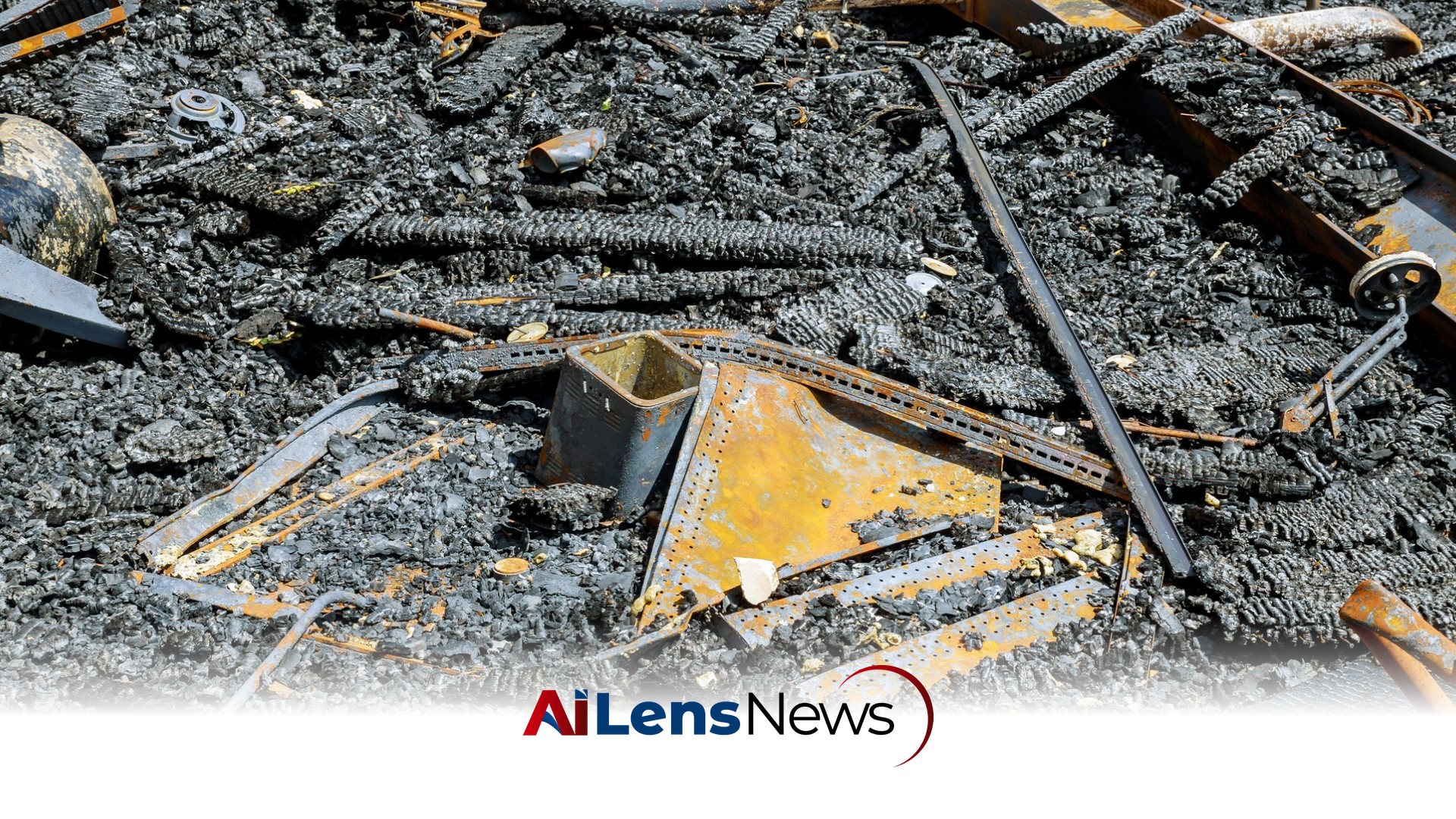


The Thadou Inpi Manipur has condemned the burning of Meitei homes, calling for a transparent investigation and urging community unity against violence.
Gangtok, India Jul 17, 2026 ALN: Imphal: The Thadou Inpi Manipur (TIM) has strongly condemned the burning of houses belonging to Meitei families at Kanto Sabal on July 11, calling for a prompt, impartial, and transparent investigation into the incident.
In a statement, TIM alleged that the arson attack was carried out by “Kuki mobs” during a peaceful rally organised under the banner of the Leimakhong Area Protection Committee (LAPC). This incident has further exacerbated the existing ethnic tensions in Manipur, a state that has a long history of communal strife and violence among its diverse communities, including the Meitei, Kuki, and Naga peoples.
Manipur, located in the northeastern region of India, has been a flashpoint for ethnic conflict for several decades. The Meitei community, primarily residing in the Imphal Valley, has historically held political power, while the Kuki and Naga communities, who mainly inhabit the hill districts, have often felt marginalized. The complex interplay of ethnic identity, land rights, and political representation has fueled ongoing disputes, leading to violent confrontations and a cycle of retaliation.
The TIM's statement emphasizes that there could be no justification for the attack, which it claimed was intended to escalate ethnic tensions and violence in the state. It also expressed sympathy to the affected families and reiterated its commitment to seeking justice through lawful and constitutional means. This call for justice reflects a broader demand among various community leaders in Manipur for accountability and adherence to the rule of law in the face of rising violence.
In recent years, violence in Manipur has often erupted during protests or rallies, where tensions can quickly escalate into clashes. The TIM welcomed the Manipur government’s condemnation of the incident and the arrests made in connection with the case. Such governmental responses are seen as critical in restoring public confidence and demonstrating a commitment to law and order amidst rising ethnic tensions.
The TIM has taken a strong stance against violence, arson, intimidation, and all forms of unlawful activity. This position is crucial in a state where community leaders often find themselves under pressure to respond to violence with retaliatory measures. The organisation also appealed to Thadou residents living in the 27 villages under the LAPC near the Leimakhong Military Station (LMS) in Kangpokpi district to disassociate themselves from Kuki organisations, including the LAPC, register at TIM, and contact the organisation for assistance if required.
This appeal underscores the TIM's intent to foster a distinct Thadou identity separate from the broader Kuki identity, which has become increasingly politicized in recent years. The call for Thadou individuals to identify solely as Thadou and dissociate from Kuki labels and affiliations highlights the complexities of ethnic identity in Manipur, where affiliations can significantly impact social standing and safety.
Additionally, TIM stressed that innocent Thadou residents should not be harassed, threatened, or held responsible for the actions of others, stating that criminal liability is individual and must be determined through due process of law. This statement is particularly important in a context where collective punishment or communal blame can lead to further cycles of violence and retaliation.
In an effort to promote a cohesive community identity, the organisation encouraged every Thadou village to install a “Thadou Village” signboard at its entrance. This initiative aims to reinforce community identity and pride while also serving as a visible declaration of the Thadou community's presence in the region.
Furthermore, TIM has called for the Thadou and Naga communities to work towards a formal understanding to strengthen mutual trust, cooperation, and peaceful coexistence. The need for inter-community dialogue is essential in a state where historical grievances and competition over resources often lead to conflict. Initiatives aimed at fostering cooperation between communities can play a vital role in reducing tensions and promoting peace.
The TIM urged both the Government of India and the Government of Manipur to ensure that those responsible for the Kanto Sabal arson attack are prosecuted in accordance with the law. The demand for legal accountability reflects a broader desire for justice and the protection of rights in a region where many have felt that the state has been ineffective in curbing violence and protecting vulnerable communities.
Moreover, the organisation called for measures to protect Thadou individuals and villages from coercion, intimidation, harassment, and violence allegedly perpetrated by Kuki militant groups, including both Suspension of Operations (SoO) and non-SoO groups, as well as organisations it claimed act as their fronts or proxies. The mention of militant groups highlights the ongoing security challenges in Manipur, where various armed groups operate, complicating the already fragile peace in the region.
In response to these challenges, TIM has also called for enhanced security around the Leimakhong Military Station to prevent any unlawful armed group or criminal network from exercising influence over civilian populations. Such measures are deemed necessary to restore lasting peace, public confidence, and the rule of law in an area that has seen its share of violence and instability.
As Manipur continues to grapple with these complex issues, the response from community leaders like TIM will be crucial in shaping the discourse around ethnic identity, justice, and coexistence. The situation remains fluid, and the actions taken by both community leaders and government authorities in the wake of the Kanto Sabal incident will likely have significant implications for the future of communal relations in the state.
Understanding the historical context of ethnic tensions in Manipur is essential for grasping the current situation. The Meitei community has traditionally been dominant in the political landscape, holding significant influence over the state’s governance and resources. Conversely, the Kuki and Naga communities have often felt sidelined, leading to a sense of disenfranchisement that has fueled grievances and demands for greater autonomy and recognition.
The demand for autonomy among the Kuki and Naga communities has been a contentious issue, with various groups seeking to establish separate administrative regions or greater representation in governance. This has often resulted in violent clashes, as competing claims over land, resources, and political power have erupted into conflict. The arson attack in Kanto Sabal can be seen as a manifestation of these underlying tensions, where historical grievances and contemporary political struggles intersect.
Furthermore, the role of armed groups in Manipur complicates the situation significantly. Various militant outfits operate in the region, often engaging in violent confrontations with state forces or rival groups. The presence of these groups not only exacerbates insecurity but also creates an environment where community leaders may feel pressured to align with certain factions for protection or support. The TIM's call for disassociation from Kuki organisations reflects a strategic response to this complex landscape, as community leaders navigate the treacherous waters of ethnic identity and security.
The implications of the Kanto Sabal incident extend beyond immediate community relations. It raises critical questions about the effectiveness of state governance in managing ethnic conflicts and protecting vulnerable populations. The demand for accountability and legal action against those responsible for the arson attack is a crucial step in restoring faith in the rule of law, but it also highlights the challenges faced by the government in addressing the root causes of violence.
Moreover, the need for inter-community dialogue and cooperation is paramount in moving towards a more peaceful coexistence. The TIM's initiatives to promote understanding between the Thadou and Naga communities represent a proactive approach to building bridges and fostering collaboration. These efforts are essential in a region where historical grievances can easily resurface, and where the potential for violence remains ever-present.
In conclusion, the recent arson attack on Meitei homes in Kanto Sabal serves as a stark reminder of the fragile state of communal relations in Manipur. The response from community leaders, such as the TIM, and the actions taken by government authorities will play a crucial role in shaping the future of ethnic dynamics in the region. As Manipur continues to navigate its complex socio-political landscape, the need for dialogue, accountability, and a commitment to peaceful coexistence remains more critical than ever.
To learn more about the latest developments in Political Controversies, stay updated with our exclusive reports and analyses on AiLensNews.

