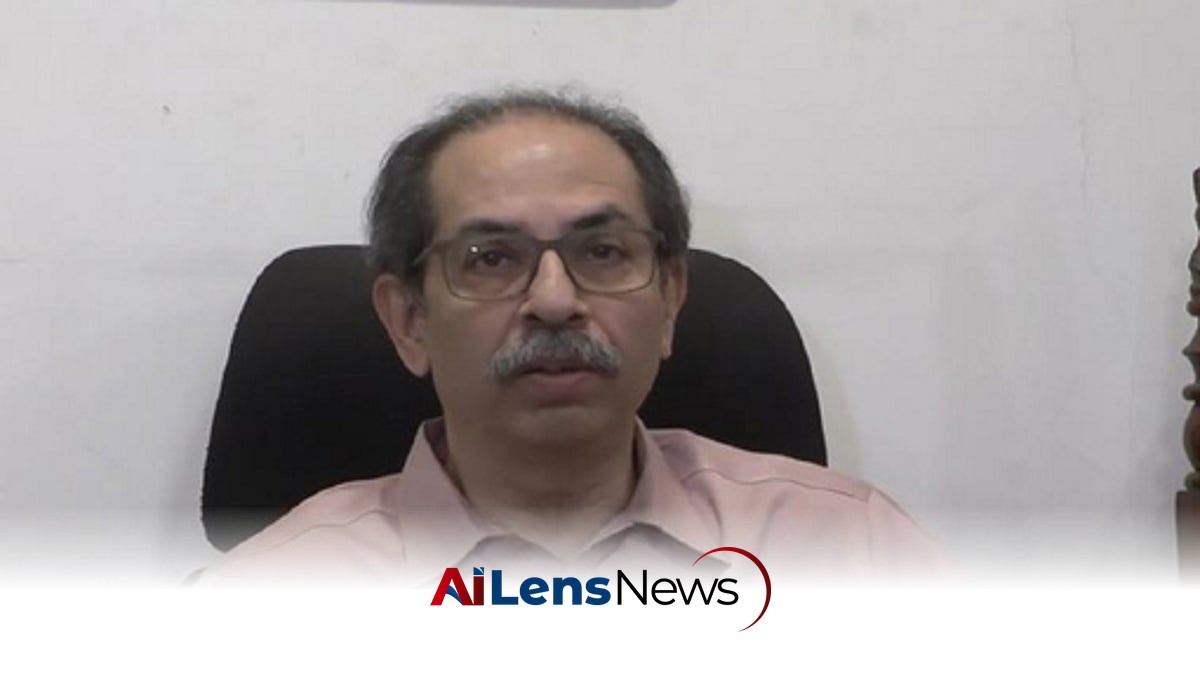


Shiv Sena (UBT) chief Uddhav Thackeray backs Sonam Wangchuk and the CJP in their protest against NEET paper leak irregularities, urging unity among citizens.
Gangtok, India Jul 14, 2026 ALN: Shiv Sena (UBT) chief Uddhav Thackeray on Monday extended support to the ongoing protest by the Cockroach Janta Party (CJP) at Jantar Mantar, backing climate activist Sonam Wangchuk and CJP founder Abhijeet Dipke over their demands concerning alleged examination irregularities and the NEET paper leak controversy.
The National Eligibility cum Entrance Test (NEET) is a crucial examination in India, serving as a gateway for students aspiring to enter medical colleges across the country. This examination has been a topic of intense scrutiny and controversy in recent years, with various allegations of paper leaks and irregularities that threaten the integrity of the examination process. The current protests are a reaction to a series of events that have raised significant concerns about the fairness and transparency of the examination system, particularly for students who invest substantial time and resources preparing for this pivotal test.
Thackeray stated that the issue transcends politics, emphasizing its significance for the future of the country’s youth. He urged political parties and citizens to unite in raising their voices. “I am giving my full support to Sonam Wangchuk. We need people like him,” Thackeray remarked, criticizing the government for being insensitive to public concerns. The protests led by Wangchuk and the CJP reflect a growing discontent among students and the general populace regarding the perceived failure of the government to address systemic issues affecting education.
Wangchuk, a prominent figure in the fight for educational reform and environmental sustainability, has gained recognition for his innovative approaches to education and his advocacy for the rights of students. His involvement in the protests has galvanized support from various quarters, highlighting the intersection of education, climate activism, and social justice. Thackeray’s endorsement of Wangchuk underscores the importance of these issues in the broader political landscape, as education remains a pivotal concern for many families across India.
Regarding the NEET paper leak controversy, Thackeray questioned the lack of action against those responsible and demanded accountability from Union Education Minister Dharmendra Pradhan. The absence of stringent measures against individuals implicated in such irregularities raises questions about the government's commitment to ensuring a fair educational environment. Thackeray pointed out that accountability is essential not only to restore public trust in the examination process but also to ensure that students feel secure in their educational pursuits.
Thackeray announced that his party would continue supporting Wangchuk and Dipke, stating that Shiv Sena (UBT) MPs would raise the issue in Parliament. This commitment to bring the matter to the legislative floor indicates a strategic move to amplify the voices of the protesting students and to push for legislative changes that could prevent future occurrences of examination irregularities. The involvement of political leaders in this protest also highlights the potential for educational issues to become a significant electoral topic, especially as the country approaches upcoming elections.
Moreover, Thackeray's appeal to opposition leaders, including Rahul Gandhi, and citizens to support the protesting students reflects a call for unity across party lines in addressing critical issues affecting education. This collaboration could lead to a more comprehensive approach to reforming the educational landscape in India, fostering a sense of collective responsibility among political leaders.
In a related note, Omi Vaidya expressed his support for Wangchuk as the hunger strike entered its 17th day, urging the public to rally behind the cause. The hunger strike highlights the desperation of the protesters and their commitment to bringing attention to the alleged injustices within the educational system. Hunger strikes have historically been a powerful form of protest, drawing public and media attention to critical issues. Vaidya's involvement also signifies the growing support from various sectors of society, including the arts and entertainment, which can play a crucial role in mobilizing public opinion.
The NEET paper leak controversy and the subsequent protests raise broader questions about the state of education in India. Critics argue that systemic flaws in the examination process not only affect the immediate outcomes for students but also have long-term implications for the quality of education and the future of healthcare in the country. As aspiring medical professionals face barriers to entry due to irregularities, the overall quality of healthcare could be jeopardized, impacting public health outcomes.
Furthermore, the protests serve as a reminder of the importance of student activism in shaping educational policies. The engagement of young people in advocacy efforts reflects a growing awareness of their rights and the need for accountability from governing bodies. As students mobilize and demand change, their voices contribute to a larger dialogue about the role of education in society and the responsibilities of those in power to uphold the integrity of the system.
In conclusion, the support from Uddhav Thackeray for Sonam Wangchuk and the Cockroach Janta Party highlights the intersection of education, politics, and social justice in contemporary India. As the protests continue, they underscore the urgent need for reforms in the examination system and a collective commitment to ensuring that all students have access to fair and equitable educational opportunities. The implications of these events will likely resonate beyond the immediate context, influencing future discussions about education policy and governance in India.
Historically, the NEET examination has been critical for students seeking admission to medical colleges, and any disruption or irregularity in this process can have far-reaching consequences. The examination is not only a measure of academic ability but also a reflection of the students' dedication and aspirations. Therefore, any allegations of malpractice can lead to a crisis of confidence among the student community, further exacerbating existing inequalities in educational access.
The current protests, driven by a coalition of students, activists, and political leaders, highlight a significant moment in India's educational landscape. The involvement of figures like Sonam Wangchuk and Uddhav Thackeray indicates a growing recognition of the need for systemic change in education, one that prioritizes transparency, fairness, and accountability. As the protests gain momentum, they may catalyze broader discussions about educational reform that extend beyond the NEET examination, addressing issues such as curriculum relevance, access to quality education in rural areas, and the need for comprehensive support systems for students.
Moreover, the protests are emblematic of a larger trend in which young people are becoming increasingly vocal about their rights and the quality of their education. This shift is significant as it indicates a generation that is not only aware of the challenges they face but is also willing to take a stand against perceived injustices. The implications of this activism could lead to a more engaged citizenry that demands accountability from political leaders and educational institutions alike.
As the situation evolves, it will be important to monitor the responses from the government and educational authorities. The effectiveness of their measures to address the concerns raised by the protesters will be crucial in determining the future trajectory of educational policy in India. The ongoing dialogue surrounding the NEET paper leak controversy may serve as a litmus test for the government's commitment to educational reform and its willingness to engage with the voices of students and activists.
In summary, the convergence of political support, student activism, and public awareness surrounding the NEET paper leak controversy presents a unique opportunity for transformative change in the educational sector. The outcomes of these protests and the subsequent responses will likely shape the discourse on education in India for years to come, influencing not only policy decisions but also the broader societal understanding of the importance of integrity and equity in educational systems.
To learn more about the latest developments in Political Controversies, stay updated with our exclusive reports and analyses on AiLensNews.

