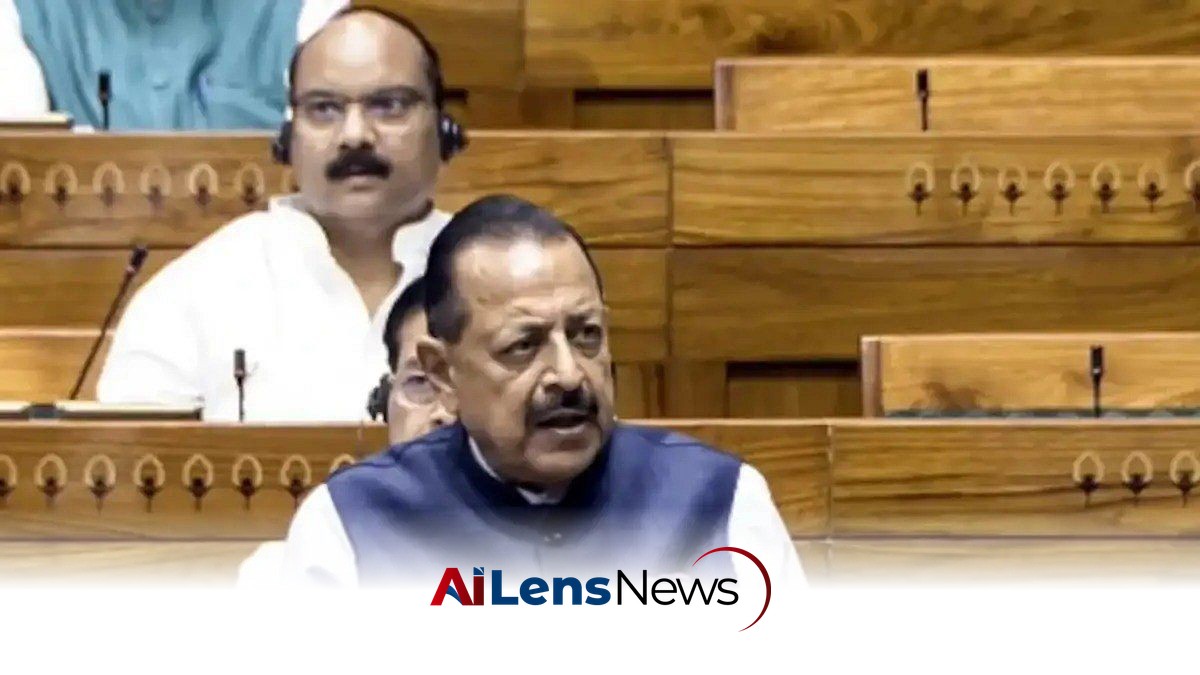


The Central Government has introduced the Public Examinations (Prevention of Unfair Means) Amendment Bill, 2026, aimed at strengthening laws against examination malpractices.
Gangtok, India Jul 27, 2026 ALN: Guwahati: Today, the Central Government presented the Public Examinations (Prevention of Unfair Means) Amendment Bill, 2026 in the Lok Sabha, with the aim of strengthening the laws on paper leaks and malpractices in examinations. This move comes amidst nationwide outcry and protests against the alleged NEET paper leak, which has raised serious concerns about the integrity of the examination system in India.
The National Eligibility cum Entrance Test (NEET) is a crucial examination for students seeking admission to medical colleges across the country. Allegations of paper leaks can undermine the credibility of this examination, leading to widespread distrust among students and parents. The recent protests reflect a broader frustration with the examination system, as students demand accountability and transparency in the processes that govern their futures. This situation has been exacerbated by the increasing competitiveness of medical admissions, where the stakes are incredibly high for students aspiring to enter the medical field.
Union Minister of State Jitendra Singh presented the Bill in the Lower House and proposed significant changes to the existing anti-paper leak law, which was passed two years ago. The draft bill aims to expedite investigations and enhance penalties for examination offences, responding to the growing demand for stricter measures to combat this pervasive issue. The introduction of this amendment is a response to not just a single incident but a pattern of recurring examination fraud that has plagued various competitive exams across the nation.
One of the key features of the proposed amendment is the incorporation of fast-track courts in all states to speed up the trials of those found guilty of paper leaks and unfair examination practices. This initiative aims to reduce the backlog of cases and ensure that justice is delivered swiftly. The establishment of these courts is expected to alleviate the frustration of students and parents who have been waiting for resolutions to cases of examination fraud. The backlog in the judicial system has often meant that even when cases are brought to light, the resolution can take years, further eroding trust in the examination process.
Additionally, the Bill mandates that investigations into allegations of paper leaks be conducted within a strict timeframe of two months. This provision is designed to ensure prompt justice and enhance public trust in the examination system. By setting a clear timeline for investigations, the government hopes to demonstrate its commitment to addressing these issues head-on and restoring faith in the integrity of public examinations. Such measures not only aim to provide justice but also serve as a deterrent against future malpractices.
The amendment follows the Union Cabinet's approval of the proposed changes on Friday, just a day after Prime Minister Narendra Modi announced that the government would enact a comprehensive law to impose strict punishments for paper leaks and examination fraud. This announcement underscores the government's recognition of the seriousness of the issue and its determination to implement effective solutions. The Prime Minister's involvement highlights the political will behind tackling this issue, suggesting that it has become a priority for the current administration.
The proposed legislation is expected to enhance transparency and accountability in public examinations while serving as a strong deterrent against organized examination malpractices across the country. The introduction of stringent penalties could discourage potential offenders from engaging in fraudulent activities, thereby protecting the interests of honest students. Such measures are crucial in a system where the perception of unfair advantage can lead to widespread disillusionment among the student population.
In recent years, the prevalence of examination malpractices has become a significant concern for educational authorities and stakeholders. Instances of paper leaks, impersonation, and other forms of cheating have not only compromised the fairness of examinations but have also led to a growing sentiment of disillusionment among students. The government's proactive approach in addressing these issues through legislative measures is a critical step towards restoring the sanctity of the examination process. It is essential for the government to not only legislate but also to ensure that these laws are effectively communicated and enforced at all levels of the education system.
Moreover, the implications of the amendment extend beyond just the legal framework. By enhancing the mechanisms for accountability, the government aims to foster a culture of integrity within educational institutions. This cultural shift is essential for cultivating a generation of students who value honesty and hard work, which are crucial attributes for success in any field. The establishment of integrity as a core value in education is necessary to ensure that students are prepared not just academically but also ethically for their future careers.
The introduction of the Public Examinations (Prevention of Unfair Means) Amendment Bill, 2026, is part of a broader strategy to reform the education sector in India. The government has been under pressure to improve the quality and credibility of education, especially in light of the increasing competition for limited seats in prestigious institutions. As part of these reforms, the government is also exploring other measures to enhance the overall educational experience for students, including curriculum updates and improved infrastructure. These efforts reflect a comprehensive approach to education reform, addressing not just the symptoms of the problem but also its root causes.
While the proposed amendment is a significant step in the right direction, its successful implementation will depend on the commitment of state governments and educational authorities to enforce the new regulations effectively. Collaboration between different levels of government and educational institutions will be essential to ensure that the objectives of the amendment are realized. Without the active participation of all stakeholders, the potential benefits of the amendment may not be fully realized.
In conclusion, the introduction of the Public Examinations (Prevention of Unfair Means) Amendment Bill, 2026 marks a pivotal moment in the ongoing battle against examination malpractices in India. As the government takes decisive action to address the concerns of students and parents, it is imperative that all stakeholders remain vigilant and committed to upholding the integrity of the examination system. The success of this initiative could set a precedent for future reforms in the education sector, ultimately benefiting millions of students across the country. The path forward will require concerted efforts to ensure that the educational landscape is one where merit prevails and students can pursue their dreams free from the taint of corruption.
To learn more about the latest developments in Policies & Reforms, stay updated with our exclusive reports and analyses on AiLensNews.

