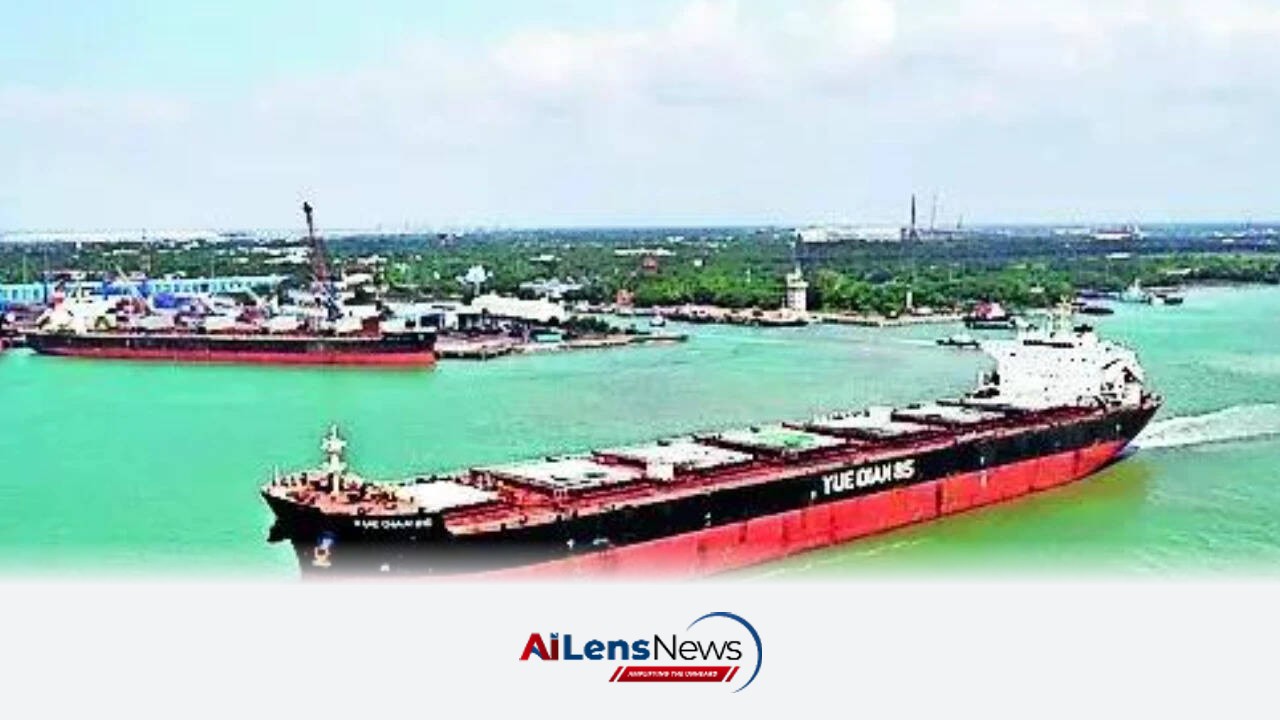



A Panama-flagged cargo ship sank in the Bay of Bengal near Odisha, prompting a major search and rescue operation for its 24 crew members.
New Delhi, India Aug 23, 2026 ALN: Authorities have launched a large-scale search and rescue operation following the sinking of a Panama-flagged bulk carrier in the Bay of Bengal off the coast of Odisha. The vessel reportedly vanished from maritime tracking systems, raising concerns about the safety of its 24 crew members. The incident has drawn attention not only due to the immediate implications for those onboard but also because of the broader issues it raises regarding maritime safety and navigation.
The cargo ship, which was en route when it disappeared, has not been located yet. The circumstances surrounding its disappearance remain unclear, prompting maritime authorities to intensify their efforts in locating the vessel and its crew. The Bay of Bengal, known for its vast and often treacherous waters, poses unique challenges for search and rescue operations, especially when a vessel goes missing without a trace.
Search operations commenced shortly after the ship was reported missing. The Coast Guard has deployed multiple vessels and aircraft to scour the area where the ship was last tracked. Local fishermen have also been alerted to assist in the search, utilizing their knowledge of the waters to aid in the efforts. This collaborative approach underscores the importance of community involvement in maritime search operations, especially in regions where local fishermen are familiar with the sea conditions.
Officials are coordinating with various agencies to ensure a comprehensive search effort. The focus is on covering a wide area of the Bay of Bengal, where the ship is believed to have sunk. Such operations can be complicated due to factors such as weather conditions, ocean currents, and the depth of the water in the area. The search teams are equipped with advanced technology, including sonar and satellite imagery, to enhance their chances of locating the vessel.
This incident raises significant concerns regarding maritime safety and the effectiveness of tracking systems for vessels operating in the region. Experts have pointed out that the disappearance of the ship highlights potential vulnerabilities in maritime navigation and communication technologies. The reliance on electronic tracking systems, while generally effective, can some fail due to technical malfunctions, human error, or environmental factors. This case serves as a reminder of the need for robust backup systems and protocols to ensure continuous monitoring of vessels.
Authorities are expected to conduct a thorough investigation into the circumstances leading to the ship's sinking, including examining the ship's maintenance records and compliance with safety regulations. Investigators will likely look into the ship's history, including any previous incidents, the qualifications of the crew, and the operational protocols followed during its voyage. Such inquiries are essential to determine whether negligence or systemic issues contributed to the tragedy.
The sinking of the cargo ship could have broader implications for maritime operations in the Bay of Bengal. Shipping companies may need to reassess their safety protocols and tracking systems to prevent similar incidents in the future. This situation may prompt a review of existing regulations governing maritime operations, leading to potential changes in policies that govern ship safety, navigation, and crew training.
In addition, the incident may affect public confidence in maritime transport, particularly in regions where shipping is a vital component of the economy. Stakeholders in the shipping industry, including shipping lines, insurers, and port authorities, may need to engage in discussions about enhancing safety measures and improving emergency response capabilities.
As the search continues, families of the crew members are anxiously awaiting updates on their loved ones. The emotional toll of such incidents can be profound, as families grapple with uncertainty and fear for the safety of their relatives. Support services may be necessary to assist families during this distressing time, providing them with information and counseling as they navigate the challenges of waiting for news.
In conclusion, the sinking of the Panama-flagged cargo ship off the Odisha coast serves as a stark reminder of the challenges faced in maritime safety and the need for robust tracking systems to ensure the safety of crew members at sea. The ongoing search and rescue efforts highlight the commitment of authorities to locate the missing crew and provide answers to the families affected. As investigations unfold, it is hoped that lessons learned from this incident will lead to improved safety measures and prevent future tragedies in maritime operations.
To learn more about the latest developments in Political Controversies, stay updated with our exclusive reports and analyses on AILensNews.

