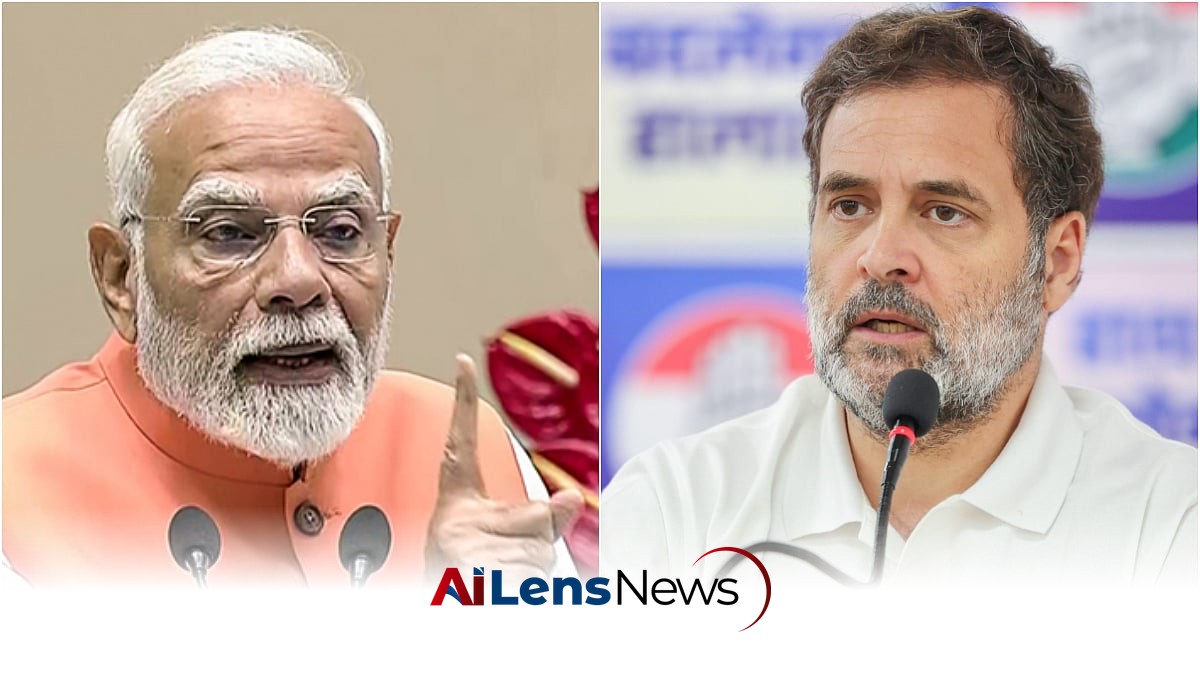


Rahul Gandhi criticizes PM Modi's response to the NEET-UG paper leak, calling for the resignation of Education Minister Dharmendra Pradhan and accountability for student protests.
New Delhi, India Jul 24, 2026 ALN: The NEET-UG (National Eligibility cum Entrance Test for Under Graduate) paper leak controversy has sparked significant political discourse in India, particularly in the context of the ongoing debate about educational integrity and student rights. The issue came to the forefront when Congress leader Rahul Gandhi publicly criticized Prime Minister Narendra Modi’s response to the scandal, which has been a source of distress for many students and their families.
On Friday, Gandhi's remarks were directed at both the Prime Minister and Union Education Minister Dharmendra Pradhan, whom he demanded resign from his position. This call for resignation is rooted in the broader context of student grievances regarding the handling of the NEET-UG examination process, which is vital for aspiring medical students across the country. The NEET-UG is a highly competitive examination that determines admission to medical colleges in India, and any disruptions or controversies surrounding it can have significant implications for students' futures.
The NEET-UG exam, conducted annually, serves as a critical gateway for students aspiring to pursue medical education in India. Given the immense pressure associated with this examination, any allegations of misconduct, such as paper leaks, can lead to widespread anxiety and uncertainty among students. The NEET-UG controversy has raised questions not only about the examination's administration but also about the transparency and fairness of the entire educational system in India.
Gandhi's criticism followed a video message from PM Modi, in which he addressed the NEET-UG paper leak issue. In this message, Modi acknowledged the seriousness of the situation, stating that the government had taken strict action against those involved in the leak and was working diligently to prevent future occurrences of examination fraud. He emphasized that the government was committed to ensuring that students did not lose an academic year due to the controversy, which has been a primary concern for many affected families. This commitment reflects the government's recognition of the high stakes involved in medical admissions and the potential long-term impact on students' careers.
In his social media response, Gandhi articulated that students were seeking accountability from the Education Minister. He expressed disappointment with the Prime Minister’s late-night address, suggesting that it failed to adequately address the pressing concerns of students. Gandhi's remarks included a direct appeal to Modi, stating, "Mr. Modi, our students are demanding Dharmendra Pradhan’s resignation," highlighting the urgency and seriousness of the students' demands. This statement underscores the growing frustration among students who feel that their voices are not being heard in the corridors of power.
Furthermore, Gandhi outlined three specific demands in response to the situation: the removal of Dharmendra Pradhan from his ministerial role, punitive action against individuals accused of assaulting protesting students, and a formal apology from the government. These demands reflect a broader call for accountability and justice in the face of what many perceive as governmental negligence regarding the examination process and the treatment of students during protests. The inclusion of a demand for an apology indicates a desire for acknowledgment of the distress caused to students and their families by the government's handling of the situation.
In his video address, PM Modi described the paper leak as a "serious issue" that had affected a large number of students, emphasizing the emotional toll it had taken on them and their families. He underscored the government’s efforts over the past two and a half months to address the crisis, including the arrest of those responsible for the leak. The Prime Minister conveyed that the government had mobilized substantial resources to ensure that examinations could be conducted for approximately 22 lakh students, allowing them to continue their educational journeys. This figure highlights the scale of the examination and the number of students whose futures are intertwined with its integrity.
Despite the government's efforts to quickly conduct examinations and declare results, Gandhi's call for resignation and accountability signifies a growing frustration among students and their advocates regarding the government's handling of educational issues. The NEET-UG controversy has highlighted systemic weaknesses in the examination process and raised questions about the adequacy of current measures to protect the integrity of such high-stakes assessments. The potential for further examination leaks or other forms of misconduct remains a concern, as does the broader issue of how educational institutions are governed.
Modi also mentioned that the government was not merely satisfied with conducting examinations but was actively working on measures to strengthen the examination system. He indicated that he had directed officials to formulate a proposal for a fast-track judicial mechanism specifically designed to deal with cases of examination leaks. This proposal aims to facilitate quicker legal responses to ensure that such incidents do not recur in the future. The establishment of such a mechanism could serve as a deterrent against future violations and restore confidence among students and parents.
The Prime Minister stated that the proposal had received approval and would be discussed by the Union Cabinet, indicating a proactive approach by the government in addressing the concerns raised by the NEET-UG incident. Modi's commitment to introducing and passing the proposed legislation in the upcoming parliamentary session reflects an acknowledgment of the need for reform in the educational sector, particularly regarding examination integrity. However, the effectiveness of such reforms will depend on their implementation and the willingness of the government to engage with stakeholders in the education sector.
However, the political ramifications of the NEET-UG controversy extend beyond immediate policy responses. The public discourse surrounding the issue serves as a reminder of the broader challenges facing India's education system, including access to quality education, transparency in examination processes, and the treatment of students during protests and demonstrations. The demands made by Gandhi and the reactions from the government highlight a critical juncture in which students are increasingly vocal about their rights and the need for accountability from those in power. This moment may also inspire further activism among students, who are becoming more aware of their agency in advocating for change within the educational framework.
As the situation continues to unfold, it remains to be seen how the government will respond to the demands for resignation and accountability, and what measures will ultimately be implemented to safeguard the integrity of examinations in the future. The NEET-UG paper leak controversy has not only affected the immediate stakeholders—students and their families—but has also initiated a broader conversation about the role of government in education and the importance of maintaining trust in academic processes. This trust is crucial for the long-term stability of the educational system, as students and parents must have confidence that examinations are fair and that the opportunities they provide are based on merit, rather than corruption or malpractice.
In conclusion, the NEET-UG controversy serves as a critical case study in the intersection of education, politics, and student rights in India. It underscores the necessity for transparent governance in educational matters and the importance of listening to the voices of students. As political leaders navigate this situation, the outcomes will likely have lasting implications for the future of educational policy and student engagement in India, fostering a culture of accountability and reform that could reshape the landscape of medical education and beyond.
To learn more about the latest developments in Political Controversies, stay updated with our exclusive reports and analyses on AiLensNews.

