

Chief Minister Bhagwant Mann is pushing for the temporary release of Jagtar Singh Hawara, a convict in the Beant Singh assassination case, to visit his ailing mother.
New Delhi, India Aug 13, 2026 ALN: Punjab Chief Minister Bhagwant Mann has intensified his efforts to secure parole for Jagtar Singh Hawara, who is currently serving a life sentence for the assassination of former Chief Minister Beant Singh. This advocacy comes at a time when Hawara's family is seeking a brief release for him to visit his ailing octogenarian mother, a situation that has raised significant emotional and political stakes.
The assassination of Beant Singh in 1995 marked a pivotal moment in Punjab's political history. Singh, who served as the Chief Minister from 1992 until his assassination, was a prominent figure during a tumultuous period characterized by insurgency and violence in the region. His tenure was marked by efforts to restore peace and stability in a state that had been ravaged by militancy and communal discord. The death of Beant Singh was a significant blow to the Indian National Congress party and led to a crackdown on militant activities in Punjab. Hawara, a member of the militant group Babbar Khalsa, was convicted for his role in this high-profile assassination, and his life sentence has been a matter of considerable debate and division among the populace.
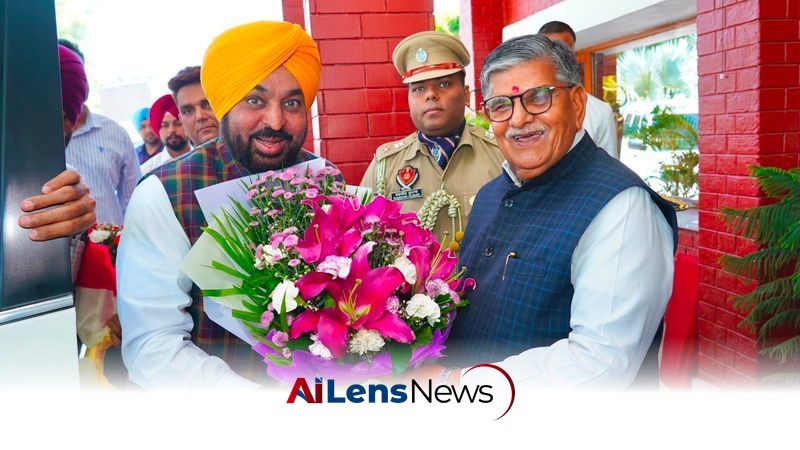
During a recent meeting with the Governor of Punjab, Mann expressed his hope that Hawara could be granted a limited period of parole. The Chief Minister emphasized the emotional significance of this request, highlighting the need for family support during difficult times, particularly for individuals who are facing health crises within their families. This appeal underscores the human aspect of legal decisions, where the personal circumstances of convicts can evoke sympathy and prompt calls for compassion.
Hawara's conviction and the discussions surrounding his potential parole have sparked a contentious debate within Punjab. On one side are supporters who argue that allowing him to visit his mother is a humanitarian gesture that reflects basic family rights and compassion. They contend that regardless of his past, the right to family support during times of personal crisis should be upheld. These supporters often highlight the importance of forgiveness and rehabilitation in the justice system, advocating for a more humane approach to punishment. They argue that the emotional well-being of family members should be a consideration in such cases, especially when health issues are involved.
Conversely, opponents raise serious concerns about the implications of granting parole to a convict involved in such a high-profile case. They argue that allowing Hawara to leave prison could undermine the severity of the crime he committed and send a negative message regarding accountability and justice in Punjab. This perspective is particularly strong among families who were directly affected by the violence of that era, as well as among political factions that prioritize law and order in their platforms. They fear that such a decision could lead to public unrest or be perceived as a leniency toward terrorism-related activities. Many in this camp emphasize the need for justice to be served, arguing that the pain and suffering caused by the actions of individuals like Hawara must not be overlooked in the name of compassion.
Mann's push for Hawara's parole reflects a broader trend in Punjab politics, where issues of justice and family rights often intersect with public sentiment and political maneuvering. The Chief Minister's position is particularly delicate, as he must navigate the complexities of public opinion while also addressing the emotional needs of a family in distress. His advocacy can be seen as an attempt to position himself as a leader who is compassionate and responsive to the needs of the people, particularly in a state that has a long history of trauma and loss. This balancing act is emblematic of the challenges faced by political leaders in regions with a history of violence and political instability.
The case also highlights the ongoing challenges within the Indian justice system, where the balance between justice for victims and compassion for convicts remains a contentious issue. The legal framework surrounding parole in India is complex, often influenced by public sentiment, political considerations, and the specifics of individual cases. As discussions continue, the final decision regarding Hawara's parole rests with the state's judicial system and the Governor's office. This decision will likely take into account not only the legal aspects of Hawara's case but also the broader societal implications of granting such a request.
In conclusion, the outcome of this parole request will not only affect Hawara's family but may also resonate throughout Punjab's political landscape. It has the potential to influence public opinion and future policy decisions related to parole and the treatment of convicts in high-profile cases. As the situation unfolds, it will be crucial for all stakeholders to consider the myriad factors at play, including the emotional needs of families, the importance of justice, and the broader implications for peace and stability in Punjab. The sensitivity surrounding the case reflects the ongoing struggle within Punjab to reconcile its violent past with a desire for healing and progress. The implications of this decision could ripple through the political fabric of the state, impacting how future cases are handled and the public's trust in the justice system.
To learn more about the latest developments in Elections, stay updated with our exclusive reports and analyses on AiLensNews.

