

As Prime Minister Modi prepares for his visit to Punjab, state officials express concerns over the central government's role in the drug trade.
New Delhi, India Jul 15, 2026 ALN: In a significant development ahead of Prime Minister Narendra Modi's scheduled visit to Punjab and Chandigarh on July 17, state officials have openly accused the central government of facilitating the drug trade in the region. This accusation comes as Punjab grapples with a growing drug crisis that has plagued the state for years. The drug problem in Punjab has been a persistent issue, with roots in socio-economic challenges, border proximity to drug-producing regions, and a lack of effective law enforcement.
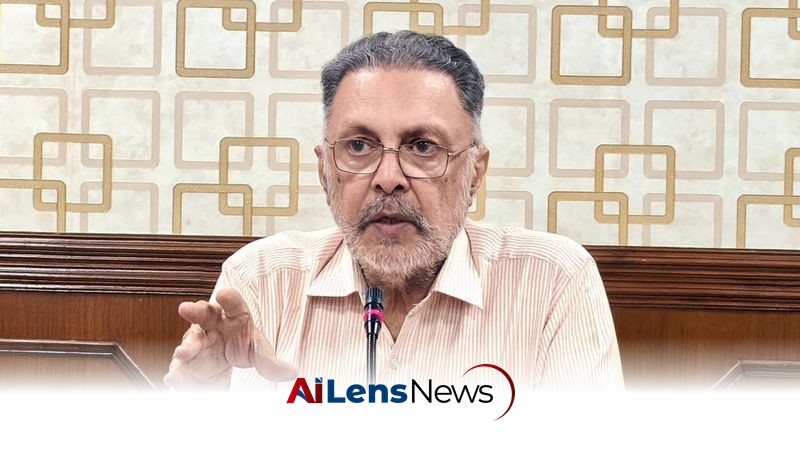
During a recent press conference, Punjab's Chief Minister and other officials highlighted their concerns regarding the central government's alleged inaction and complicity in the drug trade. They pointed to the increasing availability of narcotics in the state, which they claim is a direct result of insufficient federal intervention. Punjab shares a border with Pakistan, a country known for its opium production, which has contributed to the influx of drugs into the state. This geographical reality complicates the drug enforcement landscape, as traffickers exploit the porous borders.
The Punjab government has been vocal about its struggles with drug trafficking, which has led to widespread addiction and social issues. The state has witnessed a surge in drug-related crimes, and families are often torn apart as addiction takes hold of their loved ones. Officials argue that the central government has not provided adequate support or resources to combat this growing problem. They believe that without a collaborative effort, the situation will only worsen.
In recent years, the state has reported an alarming increase in the number of drug-related deaths, particularly among the youth. The opioid crisis, which has affected many parts of the world, has also found its way into Punjab, with drugs like heroin, synthetic opioids, and other narcotics becoming increasingly accessible. Punjab's Chief Minister has emphasized that the drug trade not only affects health but also contributes to rising crime rates and social unrest.
During the press conference, a senior official stated,
“The central government must take responsibility for the rising drug trade in Punjab. Their lack of action is enabling traffickers and harming our communities.”
This sentiment was echoed by various local leaders who are calling for immediate federal intervention. They argue that the central government needs to take a more proactive stance by increasing funding for drug rehabilitation programs and enhancing law enforcement capabilities.
Moreover, officials have expressed frustration over the bureaucratic hurdles that often delay the implementation of effective drug policy measures. They argue that a lack of coordination between state and central agencies has hindered efforts to combat drug trafficking and addiction effectively.
Prime Minister Modi's visit is seen as an opportunity for the state to address these pressing issues directly with the central government. However, the accusations may overshadow the visit, as Punjab officials seek to bring attention to their grievances regarding drug policy and enforcement. The visit is expected to involve discussions on various developmental issues, but the drug crisis looms large as a critical concern that cannot be ignored.
Political analysts suggest that the outcome of Modi's visit could have significant implications for the ruling party in Punjab, particularly in the context of upcoming elections. If the central government is perceived as ineffective in addressing the drug crisis, it could impact voter sentiment and influence political dynamics in the state.
The drug crisis in Punjab has had devastating effects on families and communities. Reports indicate that many young people are falling victim to addiction, leading to a cycle of despair and violence. Families often face financial ruin as they spend their savings on treatment and rehabilitation, and the social stigma associated with addiction further complicates recovery efforts.
Local leaders are urging the central government to prioritize drug rehabilitation programs and law enforcement initiatives to combat this crisis. They advocate for a comprehensive approach that includes education, prevention, and treatment, alongside stricter enforcement against drug traffickers. Community-based initiatives are also being called for, as local organizations play a crucial role in providing support and resources to those affected by addiction.
As the date of Modi's visit approaches, the Punjab government is hopeful that their concerns will be addressed. They are advocating for a more robust partnership with the central government to tackle the drug trade effectively. The outcome of this visit could significantly impact Punjab's fight against drugs and the overall well-being of its citizens.
In conclusion, the accusations against the central government highlight the urgent need for a coordinated response to the drug crisis in Punjab. With Prime Minister Modi's visit on the horizon, all eyes will be on the discussions that unfold and the commitments made to address this critical issue. The implications of this situation extend beyond politics; they touch on the health, safety, and future of countless individuals and families in Punjab who are caught in the grip of addiction and the drug trade.
As the state continues to grapple with these challenges, the call for effective governance, community support, and a united front against drug trafficking remains paramount. The potential for change lies in the hands of both state and central governments, and the forthcoming discussions during Modi's visit could pave the way for meaningful action in the fight against drugs in Punjab.
Understanding the broader context of Punjab's drug crisis is crucial. The state has a long history of socio-economic challenges, including high unemployment rates and poverty, which have exacerbated the drug issue. Many young people, feeling disillusioned and without prospects, have turned to drugs as a means of escape. This has created a vicious cycle where addiction leads to further socio-economic decline, making it increasingly difficult for families and communities to recover.
The geographical factors also play a significant role. Punjab's proximity to the international border with Pakistan has made it a focal point for drug trafficking networks. Traffickers have taken advantage of the porous borders to smuggle narcotics into the state, making drugs readily available to the youth. The Punjab police and other law enforcement agencies have been working tirelessly to combat this issue, but they often face significant challenges, including limited resources and the need for better coordination with central agencies.
In addition to law enforcement, there is a pressing need for a robust public health response to the drug crisis. Many experts advocate for harm reduction strategies, which focus on minimizing the negative health impacts of drug use rather than solely emphasizing abstinence. This approach includes providing access to clean needles, supervised consumption spaces, and comprehensive addiction treatment services. Such measures could significantly improve the health outcomes for individuals struggling with addiction and reduce the stigma associated with drug use.
The upcoming discussions during Modi's visit could also explore the potential for international collaboration in tackling drug trafficking. Given the cross-border nature of the drug trade, cooperation with neighboring countries, particularly Pakistan, could be essential. Engaging in dialogues about joint efforts to dismantle trafficking networks and sharing intelligence could lead to more effective strategies to combat the drug crisis.
Ultimately, the fight against drugs in Punjab requires a multifaceted approach that includes law enforcement, public health initiatives, and community engagement. The state government’s accusations against the central government may serve as a catalyst for necessary changes in policy and funding, but it will require sustained commitment and collaboration from both levels of government to create lasting solutions.
To learn more about the latest developments in Political Controversies, stay updated with our exclusive reports and analyses on AiLensNews.

