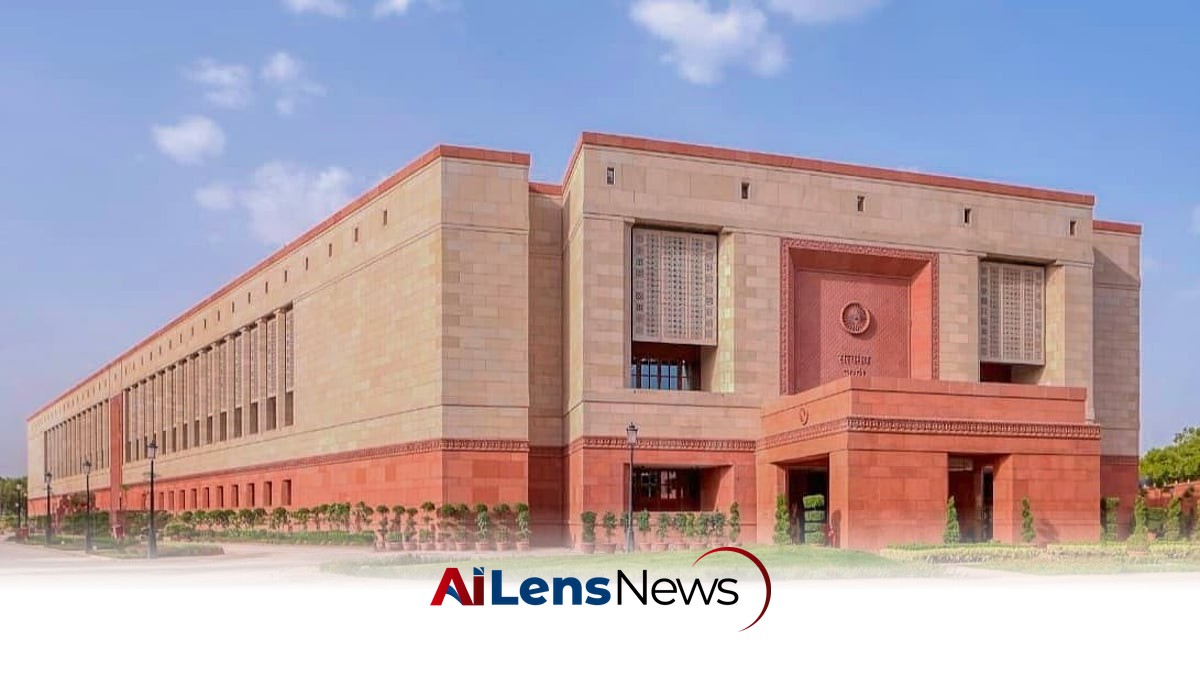


The Parliament remains in a deadlock with ongoing protests from the Opposition, leading to adjournments in both the Lok Sabha and Rajya Sabha amid critical discussions.
New Delhi, India Aug 12, 2026 ALN: The ongoing Monsoon Session of Parliament has entered its 18th day, marked by a significant political standoff between the ruling government and the opposition parties. This deadlock has led to repeated adjournments in both Houses, with each side firmly entrenched in their respective positions. The government is keen on advancing its legislative agenda, which includes various bills and proposals, while the opposition is vocal about its demands for discussions on critical issues, particularly the police action against student protesters that occurred on July 20.
The incident that has sparked considerable outrage among opposition parties involved police using force to disperse student demonstrators who were protesting against specific government policies. This police action has raised serious questions about the treatment of protesters and the right to free speech and assembly in the country. The opposition, comprising various political factions, including Congress, the Dravida Munnetra Kazhagam (DMK), and several minority groups, has been adamant about holding the government accountable for its actions during this incident. They are demanding a thorough discussion in Parliament to address these concerns and to ensure that such actions do not recur in the future.
In addition to the protests surrounding the police action, the FCRA (Foreign Contribution Regulation Act) Amendment Bill has also come under intense scrutiny. The FCRA governs the acceptance of foreign funds by non-governmental organizations (NGOs) and other entities in India. Critics of the amendment argue that it could further restrict the already limited ability of NGOs to receive foreign funding, thereby impacting their operations and advocacy work. Given the strong opposition from Congress, DMK, and minority groups, the government is considering referring the bill to a Joint Parliamentary Committee for further examination. This move could potentially provide a platform for a more comprehensive debate on the implications of the amendments, though it remains to be seen whether it will satisfy the opposition's demands for transparency and accountability.
On the agenda for today is the inquiry report into allegations against former Delhi High Court judge Justice Yashwant Varma. The inquiry was initiated following the discovery of unaccounted cash from his residence, which has raised serious ethical questions about judicial conduct. The three-member inquiry committee was tasked with investigating these allegations, and its findings are expected to be tabled in Parliament today. The Speaker of the Lok Sabha, Om Birla, had constituted this committee in August 2025, and the report is anticipated to shed light on the circumstances surrounding the cash discovery and the overall integrity of the judiciary.
Meanwhile, there has been speculation regarding a possible statement from Union Home Minister Amit Shah in the Lok Sabha. However, opposition parties, particularly those in the INDIA bloc, have indicated that they will continue their protests, insisting that Shah should not be allowed to make a unilateral statement without addressing their concerns first. This insistence on accountability and dialogue reflects a broader demand from opposition parties for greater transparency in government actions and decisions.
During the proceedings, the Rajya Sabha was adjourned until 2 PM amid uproar over alleged disparaging remarks made by BJP MP Sushmita Dev against CPM's John Brittas. Such incidents of heated exchanges and disruptions have become increasingly common in Parliament sessions, particularly during contentious discussions. The Lok Sabha also faced similar disruptions, leading to its adjournment until 2 PM due to ongoing protests by opposition members.
Prominent political figures have been vocal about the situation. Congress MP Priyanka Gandhi Vadra, responding to media inquiries about the deadlock, expressed frustration over the media's portrayal of the protests and the government's actions. She questioned whether silence was an acceptable response to state violence against students, emphasizing the need for accountability from both the government and the media. Her remarks highlight the tensions not only between the government and opposition but also the role of media in shaping public discourse around these issues.
In another significant development, Congress MP Manickam Tagore submitted an Adjournment Motion Notice in the Lok Sabha concerning a matter of urgent public importance related to the alleged misappropriation and irregular handling of donations and valuables at temples across the country. This issue resonates with many citizens, as it touches upon the broader themes of transparency and ethical governance in religious and charitable institutions. The handling of temple donations has often been a contentious issue, with various allegations of mismanagement surfacing over the years. Tagore's motion seeks to address these concerns and hold relevant authorities accountable.
The inquiry report on Justice Yashwant Varma's case is particularly significant as it not only pertains to the integrity of an individual judge but also reflects on the larger judicial system in India. The public's trust in the judiciary is paramount, and any allegations of corruption or misconduct can have far-reaching implications for the rule of law and justice in the country. The findings of the inquiry committee, which were submitted to the Lok Sabha Speaker in May, are expected to be a focal point of discussion among lawmakers and could influence public perception of the judiciary's credibility.
As Parliament continues to grapple with these pressing issues, the implications of the ongoing deadlock extend beyond the immediate legislative agenda. The inability to reach consensus on crucial matters such as police action against protesters, the FCRA Amendment Bill, and judicial integrity could lead to a growing disillusionment among the electorate regarding the effectiveness of democratic processes. The current session of Parliament thus serves as a critical juncture for both the government and opposition to engage in meaningful dialogue and address the concerns of their constituents.
In conclusion, the 18th day of the Monsoon Session of Parliament has underscored the deepening divide between the ruling government and opposition parties. With pressing issues on the table, including police actions against students, legislative amendments, and judicial integrity, the need for constructive dialogue and accountability has never been more urgent. As the session progresses, it remains to be seen whether lawmakers can move past their differences to address the pressing concerns of the public effectively.
To learn more about the latest developments in Elections, stay updated with our exclusive reports and analyses on AiLensNews.

