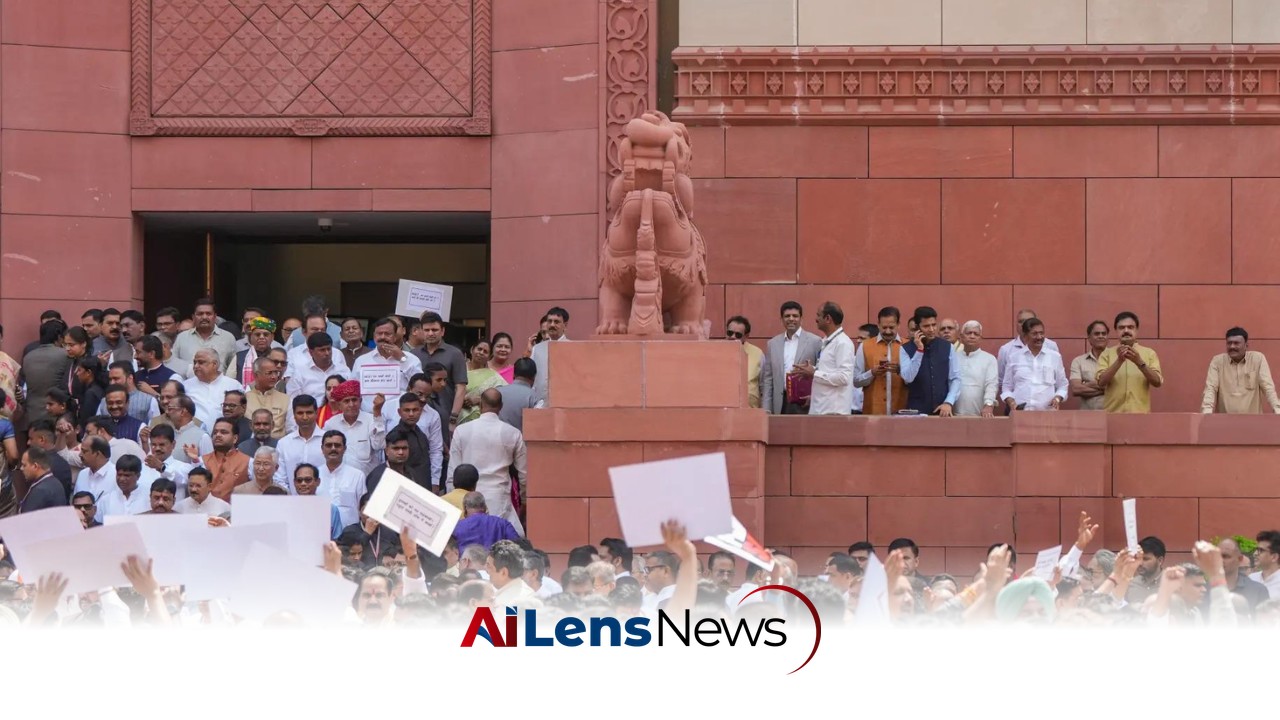


The NEET paper leak issue has led to a fourth consecutive day of deadlock in Parliament, with opposition demands for the education minister's resignation.
New Delhi, India Jul 23, 2026 ALN: Parliament has entered its fourth consecutive day of deadlock due to the ongoing controversy surrounding the NEET paper leak. The National Eligibility cum Entrance Test (NEET) is a highly significant examination in , determining the eligibility of students for admission to undergraduate medical programs across the country. The integrity of this examination is paramount, as it directly affects the future of thousands of aspiring medical students. The current controversy has intensified scrutiny over the examination process, raising serious concerns about transparency and fairness.
The NEET examination is a pivotal gateway for students aiming to pursue careers in medicine and dentistry. Conducted by the National Testing Agency (NTA), it serves as a standardized test that assesses the knowledge and skills of candidates in subjects like Physics, Chemistry, and Biology. Given its importance, any allegations of malpractice or irregularities can have profound implications not only for the students involved but also for the credibility of the educational system as a whole. This ongoing controversy has raised alarms regarding the efficacy of the examination framework and the mechanisms in place to safeguard its integrity.
Opposition Members of Parliament (MPs) have been vociferously demanding the resignation of the education minister, intensifying the standoff. The opposition's calls for accountability are rooted in allegations that the paper leak undermined the integrity of the NEET examination, potentially compromising the future of countless students. The opposition argues that the education minister must take responsibility for the mishandling of the examination process, which they claim has been marred by negligence and mismanagement. The gravity of these allegations has led to an escalation in tensions within Parliament, as the opposition insists that accountability is non-negotiable in the face of such serious claims.
The government, on the other hand, has proposed an immediate debate to address the concerns raised by the opposition. This offer to engage in discussion is seen as an attempt by the ruling party to demonstrate its commitment to transparency and accountability. However, this proposal has not been enough to quell the unrest, as both Houses of Parliament have experienced repeated disruptions. The ongoing protests have led to a chaotic atmosphere, with MPs from various parties shouting slogans and demanding justice for the students affected by the alleged paper leak. The standoff has highlighted the polarization of political discourse in the country, where issues of educational integrity and governance have become battlegrounds for broader political conflicts.
Outside the Parliament, counter-protests have erupted, further complicating the situation. Supporters of the government have taken to the streets, expressing their dissatisfaction with the opposition's handling of the issue. The atmosphere has been charged, with demonstrators expressing their frustrations over the handling of the NEET examination process. This division among the public adds another layer of complexity to the already tense situation within Parliament, as both sides vie for public support and legitimacy. The protests reflect a deep-seated concern among citizens regarding the future of education in the country and underscore the high stakes involved in the NEET examination controversy.
Efforts to resolve the impasse through meetings with the Speaker have so far proven ineffective. The Speaker has been attempting to mediate between the opposing factions, urging them to find common ground and prioritize legislative business. However, as discussions between the parties continue to stall, substantive legislative business remains unaddressed, leaving many critical issues pending. This deadlock is particularly concerning given the pressing legislative agenda that includes various bills and policies that require immediate attention. The inability to pass crucial legislation could have far-reaching consequences for governance and public welfare, especially in sectors such as healthcare, education, and infrastructure development.
The NEET paper leak controversy has not only disrupted the functioning of Parliament but has also raised questions about the integrity of the examination process. The implications of this controversy are far-reaching, as it affects not only the immediate stakeholders—students and educational institutions—but also the broader educational landscape in . The credibility of entrance examinations is crucial for maintaining trust in the educational system, and any perceived failure can have long-lasting repercussions. The fallout from this incident could lead to a decline in public confidence in standardized testing and a reevaluation of the processes that govern such examinations.
In response to the ongoing turmoil, various student organizations have voiced their opinions, demanding stricter regulations and oversight of the examination process to prevent future incidents. They are calling for a comprehensive investigation into the alleged leak, as well as for the establishment of more robust mechanisms to ensure the fairness of the examination process. These calls for reform reflect a growing demand among students and parents for greater accountability and transparency in educational assessments. The mobilization of student groups signifies a critical shift in the engagement of young people in political and educational issues, emphasizing the importance of their voices in shaping policy decisions that directly affect their futures.
As the deadlock persists, the future of legislative proceedings hangs in the balance. The inability to reach a consensus on this issue could have significant implications for the functioning of Parliament, potentially delaying the passage of important legislation that affects millions of citizens. The ongoing protests and counter-protests indicate a deepening divide within the political landscape, which could hinder collaborative efforts to address pressing national issues. The implications of this deadlock extend beyond the current crisis, raising concerns about the overall health of democratic processes and the ability of elected officials to govern effectively in the face of dissent.
With both sides standing firm, it remains to be seen how this situation will unfold in the coming days. The government’s willingness to engage in debate may be the key to breaking the stalemate, but the opposition's demands for accountability are equally pressing. The resolution of this impasse is crucial not only for the functioning of Parliament but also for restoring public confidence in the educational system. Failure to address these concerns adequately could lead to a further erosion of trust in governmental institutions, particularly in the realm of education.
In the context of the broader political climate, the NEET paper leak controversy highlights the increasing polarization in n politics. As parties become more entrenched in their positions, finding common ground becomes increasingly challenging. The implications of this deadlock extend beyond the immediate issue at hand, potentially impacting future legislative initiatives and the overall governance of the country. This situation is emblematic of a larger trend in which political disputes overshadow substantive policy discussions, resulting in a legislative gridlock that could stymie progress on critical issues.
As the situation develops, it will be essential for all parties involved to prioritize the interests of students and the integrity of the educational system. A collaborative approach that seeks to address the root causes of the controversy while ensuring accountability could pave the way for a resolution. However, the continued escalation of tensions may hinder efforts to reach a compromise, leaving the future of the NEET examination process and legislative proceedings uncertain. The outcome of this controversy may serve as a litmus test for the political landscape in , potentially influencing public sentiment and voter behavior in upcoming elections.
To learn more about the latest developments in Political Controversies, stay updated with our exclusive reports and analyses on AiLensNews.

