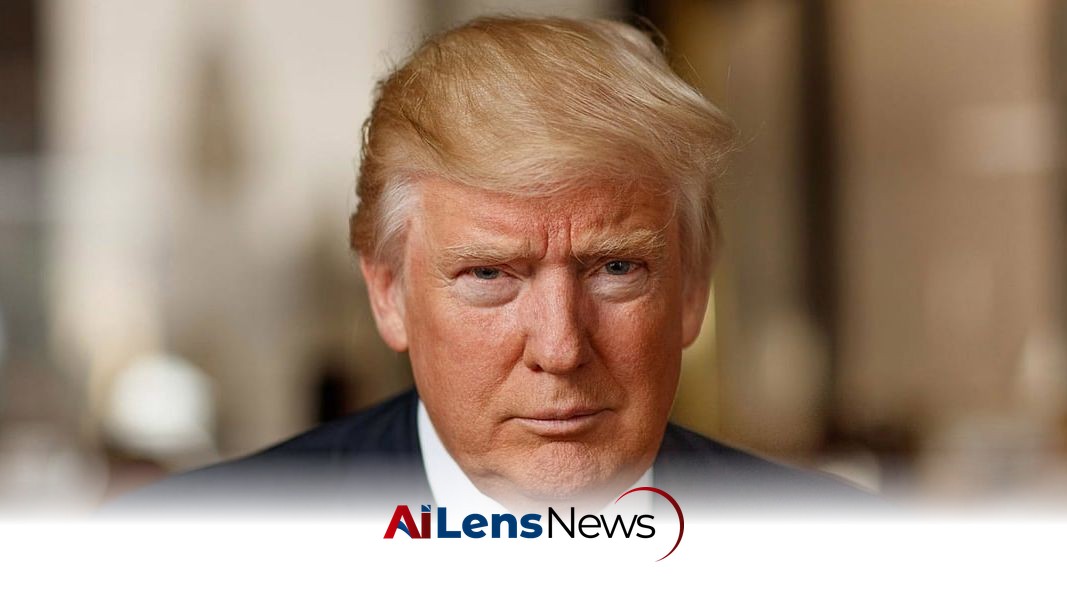


The Trump administration supports a sanctions bill that could impose severe tariffs on India for purchasing Russian oil, following Senator Graham's death.
Kohima, India Jul 15, 2026 ALN: The Trump administration has signaled its backing for a sweeping Russia sanctions bill that could subject India to steep new tariffs over its purchases of Russian oil, a White House official confirmed, days after the legislation’s lead sponsor, Senator Lindsey Graham, passed away.
In response to a query regarding President Trump's support for the bill and potential penalties for India due to its Russian crude purchases, a White House official stated: “President Trump supports the bill.” This endorsement aligns with the administration's broader strategy of exerting economic pressure on nations that continue to engage with Russia amidst ongoing geopolitical tensions stemming from the conflict in Ukraine. The implications of such a stance could be significant, not only for India’s economy but also for its diplomatic relations with the United States.
The legislation, often referred to as the Sanctioning Russia Act, co-authored by Graham along with Democratic Senator Richard Blumenthal, would grant Trump the authority to impose tariffs of up to 500 percent on imports from countries engaging with Russia’s energy sector. If enacted, this bill would represent the most extensive secondary tariff authority over third-country trade ever granted to a president by Congress. This unprecedented power raises questions about the potential for economic retaliation and the balance of trade relations globally.
Senator Graham had repeatedly identified India and China as primary targets of this legislation, arguing that the bill’s main objective is to penalize customers of Putin. He noted that together, China and India account for approximately 70 percent of Russian oil, gas, and petroleum product purchases. Graham believed that the war would conclude when economic pressure compelled these buyers to turn against Moscow. This perspective reflects a broader strategy employed by the United States, which seeks to isolate Russia economically and politically by targeting its key trading partners.
Earlier this year, Indian refiners significantly reduced their Russian crude imports amid bilateral trade discussions with Washington and U.S. sanctions on Russian oil producers. According to Kpler data, Russian crude imports dropped from around 1.84 million barrels a day in November 2025 to about 1.04 million barrels a day by February 2026. This reduction can be attributed to India's efforts to navigate the complex landscape of international relations while attempting to maintain its energy security. However, the decline in imports also illustrates the challenging position India finds itself in, balancing its energy needs with international diplomatic pressures.
Further complicating the situation, a temporary U.S. Treasury waiver that had permitted Indian purchases of Russian crude without triggering sanctions expired on June 17, 2026, leaving India's current purchasing status in a legal grey area. This expiration places Indian refiners in a precarious position, as they must now reassess their sourcing strategies in light of potential tariffs and sanctions. Economists estimate that a full 500 percent tariff could potentially reduce India’s GDP by up to 0.5 percent, with major U.S. export sectors such as pharmaceuticals, textiles, and IT services facing the most immediate disruptions. Such an economic hit could have far-reaching consequences for India's growth trajectory and its ability to recover from the economic shocks of the pandemic.
New Delhi has not publicly responded to this latest development and has consistently asserted that its energy purchases are driven by national economic interests rather than political affiliations. India has historically maintained a non-aligned stance in international conflicts and has sought to protect its energy security by diversifying its sources of crude oil. The Indian government’s position reflects a broader trend among emerging economies that prioritize economic stability over alignment with major powers in geopolitical conflicts.
The potential for a 500 percent tariff on Russian oil imports could lead to a significant shift in India’s energy procurement strategies. Analysts suggest that India may be forced to seek alternative sources of crude oil, which could lead to increased competition for oil supplies globally. This shift may also have implications for global oil prices, depending on how quickly India can adapt to new sourcing strategies and the availability of alternative suppliers.
Moreover, the sanctions bill's focus on secondary sanctions could set a precedent for how the U.S. engages with other nations that maintain trade relations with countries deemed adversarial. If the U.S. successfully implements these tariffs, it could embolden further legislative efforts to impose economic penalties on countries that do not align with U.S. foreign policy objectives.
In the broader context of U.S.-India relations, the sanctions bill could strain diplomatic ties, especially as India has sought to strengthen its partnership with the United States in recent years. The two nations have collaborated on various fronts, including defense, trade, and technology. However, this new development could create friction, as India navigates its longstanding relationships with other energy-producing nations, including Russia.
As the situation continues to evolve, it remains to be seen how India will respond to the potential imposition of tariffs and what measures it will take to protect its economic interests. The complexities of international trade and diplomacy underscore the intricate balance that nations must maintain in an increasingly interconnected world, particularly in the face of geopolitical tensions.
In conclusion, the Trump administration's endorsement of the Sanctioning Russia Act raises critical questions about the future of U.S.-India relations, the stability of the global oil market, and the broader implications of economic sanctions as a tool of foreign policy. As countries navigate these challenges, the outcomes will likely shape the geopolitical landscape for years to come.
To learn more about the latest developments in Political Controversies, stay updated with our exclusive reports and analyses on AiLensNews.

