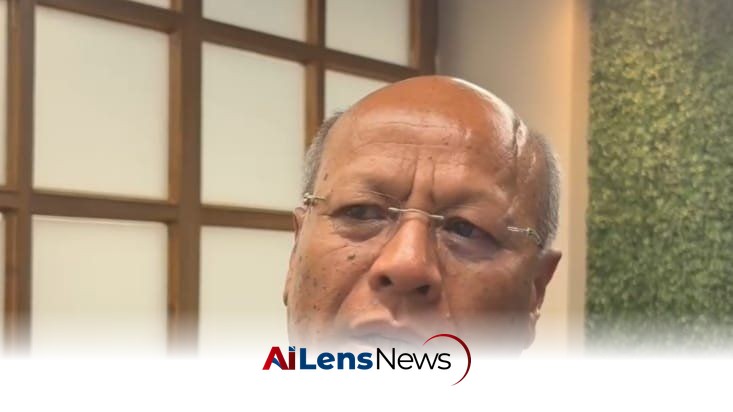


Deputy Chief Minister Prestone Tynsong emphasized that the public hearing for Shree Cement's limestone mining project is a legal requirement, not an endorsement by the government.
Shillong, India Jul 31, 2026 ALN: Deputy Chief Minister Prestone Tynsong on Thursday defended the public hearing for Shree Cement’s limestone mining project at Lum Syrman in East Jaintia Hills, stating it is a mandatory legal process and not a sign of government approval. The project has become a focal point of contention in the region, highlighting the delicate balance between economic development and environmental conservation.
The statement from Tynsong came amid escalating tensions, as police were compelled to fire tear gas and use batons to disperse protesters who had blocked roads leading to the hearing venue. This incident underscores the growing unrest among local communities who are voicing their opposition to the project, fearing potential environmental degradation and disruption to their livelihoods.
In his remarks, Tynsong emphasized that the government has instructed the district administration to be “proactive” in maintaining law and order ahead of Friday’s hearing. This proactive stance indicates the government's recognition of the potential for conflict and its commitment to ensuring that the hearing proceeds without further incident.
“There is vocal opposition, but also massive demand that the project should come up. It is not only demands for cancellation,” he said, reflecting the complex dynamics at play in the region. The Deputy Chief Minister's comments reveal a divided opinion among the local populace, with some community members advocating for the economic benefits that the Shree Cement project could bring, while others remain steadfast in their opposition due to environmental concerns.
Tynsong stressed that an environmental public hearing is required under the law to record public opinion before any decision is made regarding the project. “The law governing environmental clearance is very strong and clear. We cannot bend a single clause,” Tynsong said, reinforcing the legal framework that governs such projects in India. This legal requirement is intended to ensure transparency and accountability in decision-making processes, allowing for community input and assessment of potential impacts.
Environmental concerns have been a significant aspect of the debate surrounding the Shree Cement project. Tynsong addressed these issues by stating that both the state and central governments are monitoring safeguards to protect the environment. This oversight is crucial, as mining operations can have far-reaching consequences on local ecosystems, water sources, and air quality. The government’s commitment to monitoring suggests an acknowledgment of these risks and an intention to mitigate them, although critics may question the effectiveness of such measures.
In addition to addressing environmental concerns, Tynsong highlighted that several local village committees have sought more cement industries, citing benefits from existing units. “The companies work in tandem with the Dorbar Shnong and contribute to village development programmes,” he said. This statement points to the economic incentives that some communities perceive from the presence of cement companies, including job creation, infrastructure development, and contributions to local initiatives. However, the benefits must be weighed against the potential environmental costs, a consideration that remains contentious among residents.
The recent protests and the government's response have raised questions about the use of force in dealing with dissent. Tynsong, in response to allegations of excessive police force, mentioned that he was yet to receive an official report. This lack of immediate information may lead to further scrutiny of law enforcement's actions and the government's approach to managing public protests. The balance between maintaining order and respecting citizens' rights to protest is a critical issue in democratic societies, and how the government navigates this situation could have implications for future public engagements.
The Shree Cement project, like many industrial initiatives, is emblematic of broader challenges faced by developing regions in India. The quest for economic growth often clashes with the need for sustainable environmental practices, leading to tensions between various stakeholders, including government authorities, local communities, and private enterprises. As the situation unfolds, the outcomes of the public hearing and subsequent decisions will likely influence not only the immediate community but also set precedents for future projects in the region.
The ongoing debate around the Shree Cement project also reflects a larger trend in India, where environmental activism has gained momentum in recent years. Communities are increasingly vocal about their rights and the impacts of industrial development on their environment and health. This trend is not limited to but is seen across various states, where local populations are challenging government and corporate decisions that they believe threaten their way of life.
In conclusion, the public hearing for the Shree Cement project is not merely a procedural step but a critical juncture that encapsulates the complexities of development, environmental stewardship, and community rights. As stakeholders await the outcomes of this hearing, the implications of this situation will resonate beyond East Jaintia Hills, potentially influencing policy discussions and community engagement strategies in similar contexts throughout India.
In recent years, the Indian government has faced increasing pressure to balance economic growth with environmental sustainability. The Shree Cement project represents a microcosm of this larger debate, as it pits the potential for job creation and economic benefits against the necessity of protecting the environment. The region's history of mining and its associated environmental impacts add another layer of complexity to the discussion. Historical instances of mining operations leading to land degradation, water pollution, and loss of biodiversity have left communities wary of new industrial projects.
Moreover, the role of cement in India's infrastructure development cannot be understated. As the country continues to urbanize and develop its infrastructure, the demand for cement is projected to rise. This creates a paradox where local communities may benefit economically from such developments, yet they also face the risk of environmental harm. This tension between immediate economic needs and long-term environmental sustainability is a critical challenge that policymakers must navigate.
The government’s commitment to environmental monitoring is a necessary step, but it raises questions about the effectiveness of enforcement mechanisms. Critics argue that without robust regulatory frameworks and community involvement in monitoring processes, the potential for environmental degradation remains high. The government must demonstrate that it can protect both the environment and the rights of local communities, ensuring that the voices of those most affected by industrial projects are heard and taken into account.
As the public hearing approaches, the government’s handling of the situation will be closely watched by various stakeholders, including environmental groups, community leaders, and industry representatives. The outcomes of the hearing may set a precedent for how similar projects are approached in the future, influencing not only local governance but also broader national policies regarding industrial development and environmental protection.
In summary, the Shree Cement project and the surrounding public hearing reflect the ongoing struggle between development and environmental preservation in India. The government must navigate these challenges carefully, balancing the need for economic growth with the imperative of protecting the environment and respecting community rights. The decisions made in the coming days will resonate far beyond East Jaintia Hills, shaping the future of industrial development in the region and potentially across the country.
To learn more about the latest developments in Elections, stay updated with our exclusive reports and analyses on AiLensNews.

