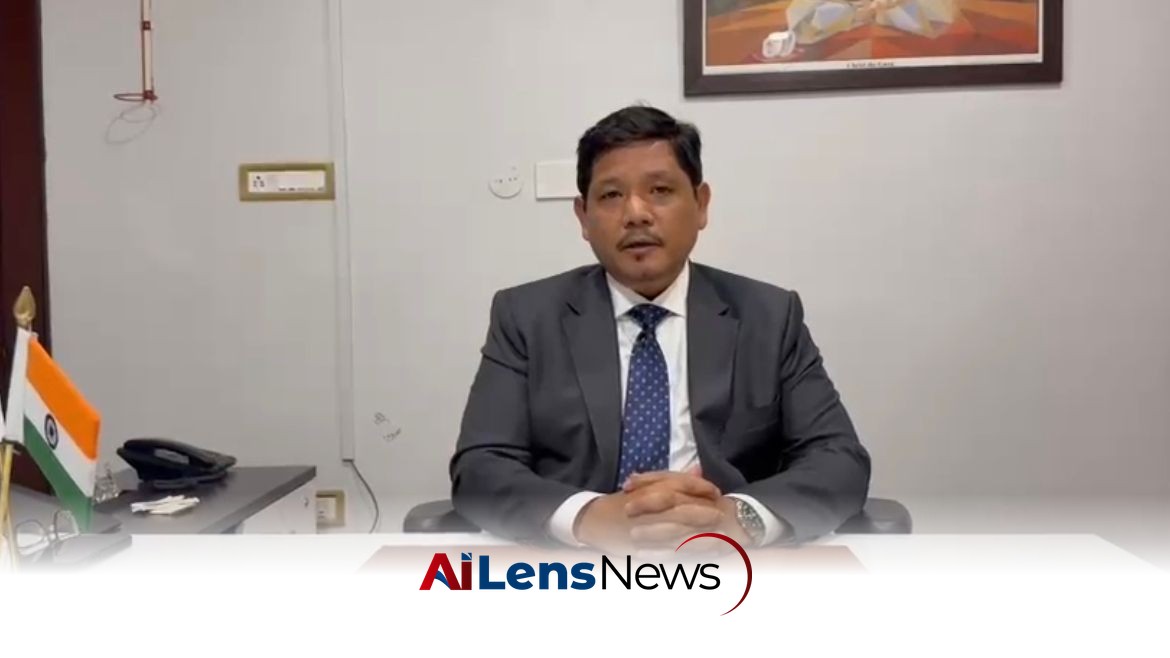


The government is set to pass a resolution in the Assembly to formally oppose uranium mining, reaffirming its commitment to environmental safety.
Shillong, India Jul 16, 2026 ALN: The state government has announced its decision to pass a resolution in the Assembly opposing uranium mining. This decision comes amid growing public concern and ongoing debates about the implications of uranium extraction in the region.
An official statement released on Thursday, July 16, indicated that Chief Minister Shri Conrad K Sangma responded to ongoing speculation and media reports regarding uranium mining in the state. His remarks reflect a broader context of environmental activism and public health advocacy that has gained momentum in recent years, particularly in areas rich in natural resources. The topic of uranium mining is particularly sensitive in regions where communities have historically faced the repercussions of mining activities.
The Chief Minister stated that the resolution aims to formally ban uranium mining, emphasizing that the government has never approved any uranium mining projects. This proposed resolution is intended to address long-standing public concerns regarding the potential environmental and social impacts associated with uranium mining. The state’s decision is particularly significant given the historical backdrop of mining in the region, where previous mining activities have often resulted in adverse environmental consequences. For instance, past coal mining operations have led to deforestation, soil degradation, and water pollution, raising alarms about the sustainability of such practices.
Uranium mining is a contentious issue not only in India but also globally, as it is often associated with various environmental risks, including soil and water contamination, deforestation, and the displacement of local communities. The extraction process can release radioactive materials, which pose serious health risks to workers and nearby residents. In light of these potential dangers, the government’s resolution against uranium mining highlights its commitment to safeguarding both the environment and public health. The health risks associated with uranium mining are well-documented, with studies indicating that exposure to radioactive materials can lead to severe health issues, including cancer and other chronic illnesses.
The Chief Minister’s announcement also serves to clarify the government’s position on the matter, effectively putting to rest years of speculation and uncertainty surrounding uranium mining in the state. Over the past decades, there have been numerous debates regarding the economic benefits of mining versus the potential hazards it poses to the local population and ecosystem. The government remains committed to protecting the environment and ensuring the well-being of its citizens, a stance that resonates with many activists and environmentalists. This commitment is particularly relevant in a state like , which is known for its rich biodiversity and unique ecosystems.
This move is seen as a significant step towards reinforcing the state’s dedication to environmental safety and public health. The resolution is expected to have far-reaching implications not only for the people of but also for the broader discourse on resource extraction in India. As the global community increasingly prioritizes sustainable development and environmental protection, the state’s decision could serve as a precedent for other regions grappling with similar issues. It signals a shift towards more environmentally conscious governance, where the voices of local communities are taken into account in decision-making processes.
Historically, has been rich in minerals, including coal and limestone, which have been extensively mined. However, the adverse effects of these activities have led to increased scrutiny and calls for more responsible mining practices. The state’s decision to oppose uranium mining can be viewed as part of a larger trend toward prioritizing ecological balance and community health over short-term economic gains. This trend is not unique to ; it reflects a growing awareness across India and the world regarding the importance of sustainable resource management.
The public response to the government’s announcement has been largely positive, with many community leaders and environmental groups expressing support for the resolution. Activists have long argued that the potential risks associated with uranium mining far outweigh any economic benefits it might bring. They emphasize the importance of sustainable development practices that do not compromise the health of future generations. This public support is crucial, as it demonstrates a collective desire for a more sustainable approach to resource management that prioritizes community welfare.
In addition to local reactions, the resolution may attract attention from national and international environmental organizations. These groups often monitor mining activities and their impacts on communities and ecosystems. The stance taken by the government could enhance its reputation as a leader in environmental governance, potentially attracting support and collaboration from various stakeholders interested in sustainable development. Engaging with these organizations could also provide the state with access to resources, expertise, and funding aimed at promoting sustainable practices.
Moreover, the decision to oppose uranium mining aligns with India’s broader environmental policies and commitments. The country has been increasingly focusing on sustainable practices and renewable energy sources as part of its strategy to combat climate change. By taking a firm stance against uranium mining, the government is contributing to this national narrative, reinforcing the importance of protecting natural resources and promoting public health. This alignment with national policies could also facilitate the implementation of alternative energy sources in the region, providing new opportunities for economic development without the associated risks of uranium mining.
As the resolution moves forward, it will likely be subject to discussions and debates within the Assembly. Lawmakers will have the opportunity to express their views and concerns regarding the implications of the proposed ban. It will be essential for the government to engage with various stakeholders, including local communities, environmental experts, and industry representatives, to ensure a comprehensive understanding of the issue at hand. This engagement is critical in fostering a collaborative approach to resource management that considers diverse perspectives and interests.
In conclusion, the government’s decision to pass a resolution against uranium mining marks a pivotal moment in the state’s environmental policy. By formally opposing such activities, the government is not only addressing public concerns but also positioning itself as a proactive participant in the global movement towards sustainable resource management. The implications of this resolution extend beyond immediate environmental concerns, potentially influencing future policies and practices related to mining and resource extraction in the region. As other states observe 's actions, this could inspire a broader shift towards prioritizing environmental health and community welfare in resource management across India and beyond.
To learn more about the latest developments in Political Controversies, stay updated with our exclusive reports and analyses on AiLensNews.

