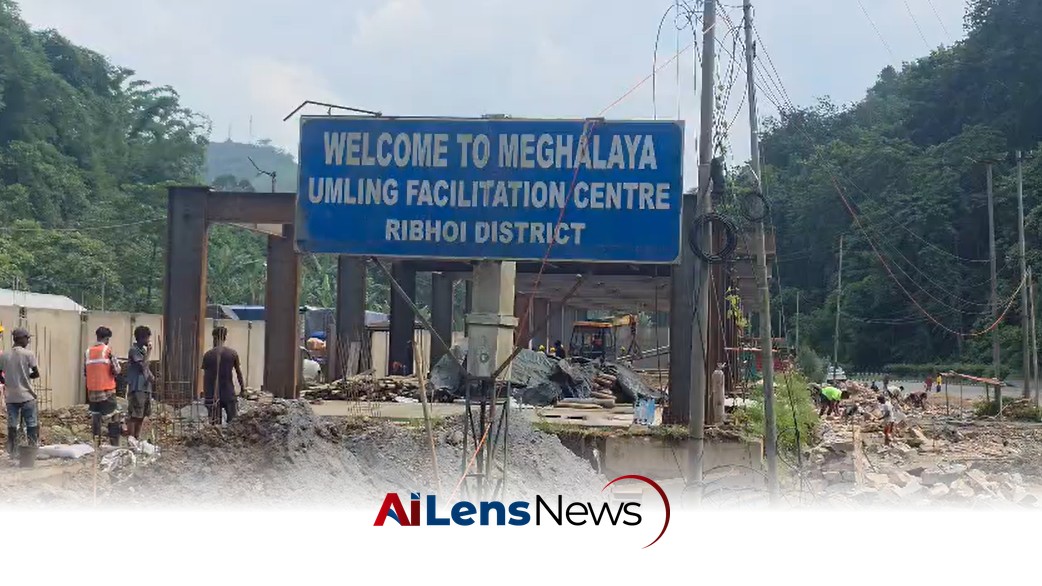


The government emphasizes that the full implementation of the Residents Safety and Security Act (MRSSA) depends on pending amendments with the Centre, while reaffirming plans for the Umling facilitation centre.
Shillong, India Jul 30, 2026 ALN: The government on Wednesday emphasized the critical role of the pending amendments to the Residents Safety and Security Act (MRSSA) in the full implementation of the proposed facilitation centre at Umling. The Deputy Chief Minister and Home Minister Prestone Tynsong clarified during a press briefing that the plans for a comprehensive facilitation centre at Umling have not been abandoned, despite ongoing discussions and delays.
The MRSSA was introduced to enhance the safety and security of residents and visitors in the region, providing a framework for managing entry points into the state. The Act aims to create a system that can effectively monitor and regulate the flow of people, ensuring that the rights and safety of local residents are prioritized. However, the full operationalization of this Act is contingent upon the approval of certain amendments that are currently pending with the Central government.
In response to inquiries regarding the government’s recent decision to develop a food court at the Umling entry point, Tynsong outlined that this initiative is intended to serve travelers as they undergo verification procedures. The food court is part of a broader strategy to enhance the amenities available at the entry point, ensuring that visitors have access to food, rest areas, and essential conveniences, including washrooms. This development is seen as a temporary yet necessary measure to improve the experience of travelers while the larger facilitation centre project is being finalized.
“The idea of establishing a full-fledged facilitation centre has not been abandoned. That plan remains very much in place,” Tynsong affirmed, highlighting the government’s commitment to the project. The proposed facility is envisioned to include a variety of services aimed at making the entry process smoother and more efficient for visitors, thereby promoting tourism in the region.
The Deputy Chief Minister elaborated on the bureaucratic process surrounding the amendment of the MRSSA. He noted that the amendment, which was passed by the state Assembly, was subsequently forwarded to the Governor. The Governor then referred the proposal to the Union Ministry of Home Affairs for further examination. After receiving feedback and observations from the Centre, the state government has been engaged in ongoing discussions to address any concerns raised by the Union Ministry. Tynsong expressed optimism that the amendment process would be completed soon, which would allow for the necessary infrastructure to support the facilitation centre at Umling to be established.
In addition to the facilitation centre, the government has already set up district task forces across the state under the MRSSA. These task forces, led by Deputy Commissioners, are responsible for implementing the provisions of the Act in collaboration with local police, traditional heads, and other stakeholders. In the East Khasi Hills district, for example, the task force has been operational for several years, focusing on enhancing community safety and security through coordinated efforts.
Concerns have been raised by various organizations regarding the implementation of the MRSSA, particularly in relation to its impact on local communities and the potential for it to infringe on the rights of residents. In light of these concerns, Tynsong assured that the government is committed to maintaining an open dialogue with stakeholders. He referenced previous discussions held by Chief Minister Conrad K Sangma with the Khasi Students’ Union (KSU), which focused on clarifying issues related to the Act and addressing any misunderstandings. The government’s willingness to engage in further consultations underscores its recognition of the importance of stakeholder input in the legislative process.
“The door is always open. If there are still doubts, we are ready to sit down with stakeholders at any time,” Tynsong stated, reinforcing the government’s approach to transparency and collaboration. This open dialogue is crucial in fostering trust between the government and the communities it serves, especially in the context of legislation that directly affects the lives of residents.
The implications of the MRSSA and its amendments are significant, as they are designed to balance the needs of security and safety with the rights and freedoms of local residents. As the government moves forward with the facilitation centre at Umling, the successful implementation of the MRSSA will be key to ensuring that the facility operates effectively and that the concerns of local communities are adequately addressed.
Furthermore, the development of the facilitation centre is expected to have positive ramifications for the local economy, particularly in the tourism sector. By improving the infrastructure at entry points, the government aims to create a more welcoming environment for visitors, which could lead to increased foot traffic and economic activity in the region. This aligns with broader efforts to promote tourism as a vital component of the state’s economic development strategy.
In conclusion, the government’s commitment to the MRSSA amendments and the development of the Umling facilitation centre reflects a proactive approach to enhancing safety, security, and tourism in the region. As discussions with the Centre continue and the government remains open to dialogue with stakeholders, there is hope for a resolution that will pave the way for the successful implementation of these important initiatives. The ongoing efforts signify a recognition of the interconnectedness of community safety, resident rights, and economic development, which are essential for the overall well-being of the state and its residents.
The MRSSA has been a topic of considerable debate since its inception, with proponents arguing that it is essential for maintaining order and safety in a region that sees significant movement of people, particularly from neighboring states and countries. The Act is designed to address the unique challenges posed by the demographic and geographical realities of the region, where tourism plays a crucial role in the local economy.
However, critics have voiced concerns that the MRSSA could lead to excessive monitoring and control over residents' movements, infringing on their rights and freedoms. The government has sought to address these concerns through dialogue and by emphasizing the importance of balancing security needs with the rights of individuals. This balancing act is particularly sensitive in a culturally rich and diverse region like , where local traditions and customs play a vital role in community life.
The facilitation centre at Umling is envisioned not just as a regulatory hub but also as a gateway to the rich cultural heritage of the region. It is expected to provide information about local attractions, promote local handicrafts, and support small businesses catering to tourists. Such initiatives could enhance the overall visitor experience and encourage longer stays, benefiting local economies.
Moreover, the government’s focus on developing amenities such as food courts and rest areas at entry points is indicative of a broader strategy to improve infrastructure across the state. This infrastructure development is essential for attracting tourists and ensuring their safety and comfort during their stay. As the state grapples with the dual challenges of promoting tourism and ensuring resident safety, the MRSSA amendments and the facilitation centre are critical components of a comprehensive approach to regional development.
As the government continues to navigate the complexities of implementing the MRSSA and establishing the facilitation centre, it remains committed to transparency and stakeholder engagement. This approach not only aims to build trust but also to ensure that the legislation serves its intended purpose of enhancing safety without compromising the rights of residents. The outcome of these efforts will likely set a precedent for how similar initiatives are handled in the future, making it a pivotal moment for governance in the region.
In summary, the government’s active engagement with the MRSSA amendments and the facilitation centre project at Umling reflects a nuanced understanding of the interplay between security, community rights, and economic development. As stakeholders continue to voice their opinions and the government seeks to address these concerns, the hope is that a balanced and effective framework will emerge, benefiting both residents and visitors alike.
To learn more about the latest developments in Elections, stay updated with our exclusive reports and analyses on AiLensNews.

