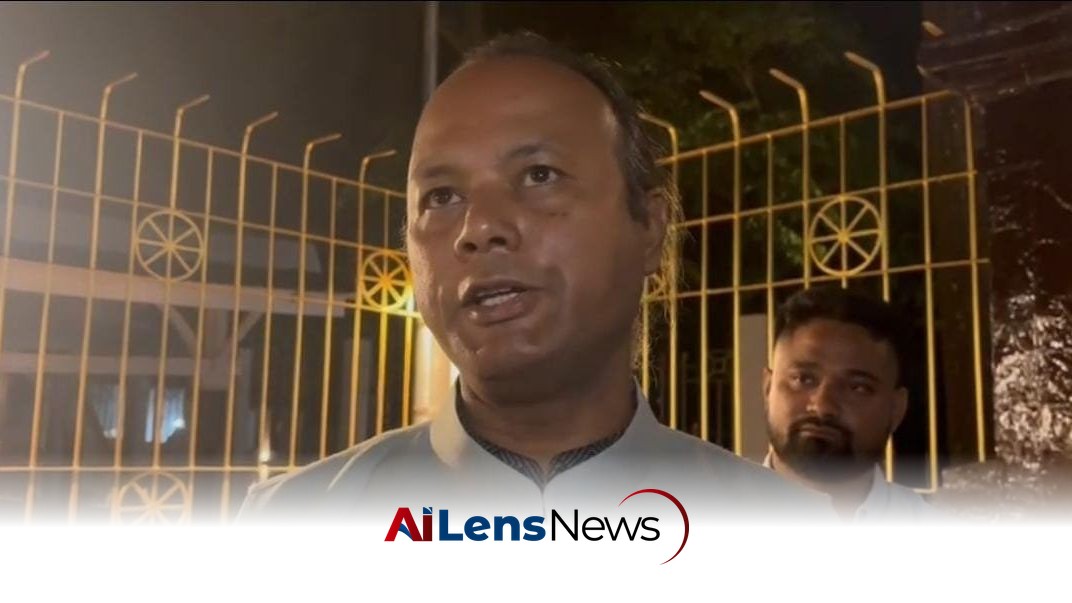


Tura MDC Bernard N. Marak criticizes GHADC reforms, alleging they weaken the council's autonomy and delay fund releases as political pressure.
Shillong, India Jul 19, 2026 ALN: Tura MDC Bernard N. Marak has alleged that reform initiatives have weakened the constitutional autonomy of the Garo Hills Autonomous District Council (GHADC). His statements come amidst ongoing discussions about the role of autonomous councils in India and the implications of recent governmental reforms that are perceived to encroach upon their autonomy.
The Garo Hills region, located in the state of , has a unique administrative structure governed by the Sixth Schedule of the Indian Constitution. This schedule provides for the establishment of autonomous councils in tribal areas, allowing them to exercise certain legislative and executive powers. The GHADC was formed to ensure the self-governance of the Garo people, enabling them to manage their own affairs, including land use, resource management, and cultural preservation.
Marak's assertion that the reform initiatives have undermined this autonomy is particularly significant given the historical context of the Garo Hills. The region has faced numerous challenges, including economic underdevelopment, political instability, and issues related to resource management. The GHADC was created as a means to empower local governance and ensure that the voices of the Garo people are heard in matters that directly affect their lives. The establishment of the GHADC was a response to the aspirations of the Garo community for self-governance and recognition of their unique cultural identity.
In his comments, Marak highlighted the delay in the release of funds as a critical issue, suggesting that it reflects a broader trend of financial control being wielded as a form of political pressure. This claim raises concerns about the implications of such control on the functioning of the GHADC and its ability to serve the needs of the local population. The NPP-led Executive Committee had previously promised various reforms, including the regularization of salaries and the clearance of financial backlogs, as part of an agreement to extend its term. However, Marak argues that these promises have not been fulfilled, leading to disillusionment among council members and the community.
Marak characterized the ongoing non-payment of salaries to GHADC employees as a “betrayal of the people of Garo Hills” and an “assault on the autonomy” of the council. This situation not only impacts the employees but also their families, creating a ripple effect of financial hardship throughout the community. The economic implications of delayed salaries can be profound, affecting local spending, family welfare, and overall community stability. The inability to meet financial obligations can lead to increased poverty levels, reduced access to education and healthcare, and a general decline in the quality of life for many families.
In light of these challenges, Marak has called upon the District Council Affairs Department to expedite the clearance of pending files and ensure that funds are released without delay. He emphasized that there is no justification for the continued financial distress faced by GHADC employees and their families. This appeal reflects a growing frustration among local leaders regarding the perceived lack of responsiveness from higher authorities in addressing the needs of autonomous councils. The local governance structures, which are meant to be responsive to community needs, are hindered by bureaucratic delays and political maneuvering.
Moreover, Marak's remarks also touch on legal and regulatory concerns regarding the transportation of natural resources in the region. He alleged that there have been instances of illegal transportation of coal and boulders, facilitated by the use of fake challans and duplicate documents, as well as trucks operating without valid Transit Passes. Such allegations highlight the complexities of resource management in the Garo Hills, where the extraction and transportation of natural resources are often contentious issues. The Executive Committee's resolution to verify TNT (Transport of Minerals) and Transit Passes on Marak's request underscores the need for greater oversight and accountability in resource management. However, the lack of implementation of this resolution raises questions about the effectiveness of the current governance structure and the commitment to addressing illegal activities.
The situation in Garo Hills is emblematic of broader debates surrounding the autonomy of tribal councils in India, particularly in the context of the Sixth Schedule. Many tribal leaders and activists argue that the constitutional provisions intended to protect tribal autonomy are being eroded by state and central government interventions. This has led to calls for a reevaluation of the powers and functions of autonomous councils, as well as greater support for their financial and administrative independence. The struggle for autonomy is not merely a local issue; it resonates with similar movements across the country where indigenous communities seek to reclaim their rights over land, resources, and governance.
The implications of these developments are significant, as they not only affect the governance of the Garo Hills but also serve as a microcosm for the challenges faced by tribal communities across India. The struggle for autonomy, self-governance, and the right to manage local resources is at the forefront of many tribal movements, which seek to assert their rights and preserve their cultural heritage in the face of external pressures. The erosion of autonomy can lead to a loss of cultural identity and increased marginalization of tribal communities, which historically have had a unique relationship with their land and resources.
As the situation unfolds, it will be crucial for stakeholders, including local leaders, government officials, and community members, to engage in constructive dialogue aimed at addressing the issues raised by Marak and others. Ensuring the financial stability of the GHADC and its employees, upholding the principles of autonomy enshrined in the Sixth Schedule, and addressing illegal resource extraction will require collaborative efforts and a commitment to the principles of self-governance. The role of civil society organizations and community groups will also be pivotal in advocating for the rights of the Garo people and holding authorities accountable for their actions.
In conclusion, the allegations made by MDC Bernard N. Marak regarding the weakening of the GHADC's autonomy and the financial challenges faced by its employees highlight critical issues that resonate beyond the Garo Hills. They reflect ongoing struggles for autonomy and self-determination among tribal communities in India, underscoring the need for a nuanced understanding of the complexities involved in governance, resource management, and community welfare in these regions. The outcome of these tensions will likely set important precedents for the future of tribal governance and the preservation of indigenous rights in India.
To learn more about the latest developments in Political Controversies, stay updated with our exclusive reports and analyses on AiLensNews.

