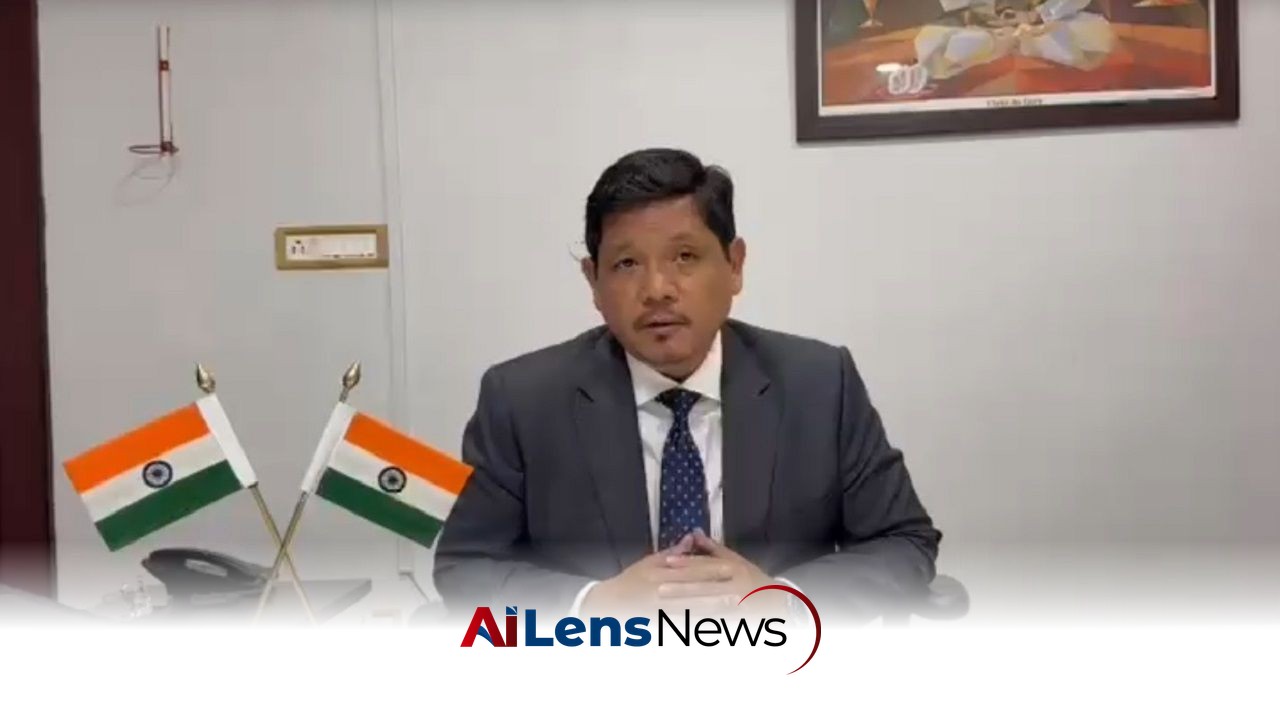


Chief Minister Conrad K Sangma announces plans for a resolution in the Assembly to oppose uranium mining, citing environmental and health concerns.
Shillong, India Jul 16, 2026 ALN: SHILLONG, JUL 16: The government of is set to introduce a resolution in the Assembly opposing uranium mining in the state, as announced by Chief Minister Conrad K Sangma on Thursday. This decision comes amidst growing concerns over the environmental and social implications of uranium mining, particularly in a region that is rich in biodiversity and cultural heritage. The backdrop of this decision is marked by a long-standing debate about the balance between economic development and environmental sustainability, a concern that is becoming increasingly relevant not just in but across India.
The Chief Minister, in a video statement, emphasized that the National People's Party (NPP)-led government stands firmly against uranium mining and will not permit any such projects within the state. He noted that the issue was thoroughly discussed during a meeting with senior NPP leaders on Wednesday, reflecting a consensus among the party members regarding the potential hazards associated with uranium mining. This consensus illustrates a robust political will to prioritize environmental and social considerations over potential economic benefits that mining could bring.
“All the leaders of the NPP have suggested to me that the state government and the Assembly must unanimously come up with a resolution to oppose the mining of uranium in the state,” the Chief Minister stated. This statement underscores the political will within the state government to take a definitive stand against uranium mining, which has been a contentious issue in for several years. The introduction of this resolution signifies a proactive approach by the government to address the concerns of its citizens and protect the state's natural resources.
Uranium mining has been a topic of intense debate in , particularly in the context of its potential impact on local communities and the environment. The state's rich deposits of uranium, primarily located in the West Khasi Hills district, have attracted interest from mining companies. However, opposition from various quarters, including local communities, environmental groups, and political leaders, has been persistent due to fears of health risks, environmental degradation, and disruption of traditional lifestyles. The local population is particularly concerned about the long-term consequences of mining activities, which could lead to irreversible damage to their environment and way of life.
Sangma confirmed that the government is acting on this recommendation and aims to pass the resolution to clarify its position on the matter. The resolution is expected to articulate the government's commitment to protecting the state's natural resources and the well-being of its citizens. This move aligns with a broader trend in which governments are increasingly recognizing the importance of sustainable practices and the need to safeguard the environment.
During his announcement, the Chief Minister highlighted concerns regarding the potential impact on the local population, environment, and forests as primary reasons for the opposition. “There are too many risks involved. We are aware of the implications it could have on our people, on our environment, on our forests, and on the future of our state. Hence, we are very firm that we will oppose uranium mining,” he asserted. This statement reflects a broader trend among various state governments in India, where environmental concerns are increasingly influencing policy decisions. It highlights a growing awareness of the need for careful consideration of the environmental costs associated with mining.
In the context of , the opposition to uranium mining is particularly poignant given the state’s unique ecological landscape, which is home to diverse flora and fauna, as well as significant water resources. The Khasi and Jaintia Hills, in particular, are known for their rich biodiversity, and any mining activities could potentially disrupt these ecosystems. Moreover, local communities, many of whom depend on agriculture and traditional livelihoods, fear that mining could lead to land displacement and loss of livelihood. The potential for increased pollution and health risks associated with uranium mining further exacerbates these concerns, making the case against mining even more compelling.
Regarding the central government's stance, Sangma referenced recent comments made by Union Minister of State Dr. Jitendra Singh during his visit to Shillong. “He clarified that the Government of India has not made any decision on that matter and is still examining it. No decision has been taken,” Sangma remarked. This statement highlights the ongoing discussions at the national level regarding uranium mining, where the central government is weighing the economic benefits of mining against the potential environmental and social costs. The lack of a definitive stance from the central government adds another layer of complexity to the situation, as states like navigate their own positions amid broader national policies.
The Chief Minister concluded by stating that the proposed resolution will reaffirm the state’s commitment to protecting its land from uranium mining and the potential consequences associated with it. This move is seen as a significant step in the ongoing struggle between development and environmental preservation, a conflict that is becoming increasingly relevant in many parts of India. The resolution is not just a political statement; it embodies a commitment to safeguarding the future of the state and its people.
The introduction of this resolution in the Assembly not only reflects the government's position but also serves as a barometer of public sentiment on the issue. The opposition to uranium mining is supported by various civil society organizations, environmental activists, and local communities who have long been advocating for sustainable development practices that prioritize ecological balance and social justice. This grassroots support is crucial, as it amplifies the voices of those who may be directly affected by mining activities.
As the Assembly prepares to discuss this resolution, it is likely to ignite further debate around the future of mining in , especially in light of the state’s aspirations for economic development. The resolution could also set a precedent for other states grappling with similar issues, as environmental concerns increasingly take center stage in policy-making processes. The outcome of this legislative move will be closely watched, not just within but also across India, as it may influence the national discourse on mining, environmental protection, and the rights of indigenous communities.
The resolution can serve as a powerful tool for the state government to assert its authority and commitment to environmental stewardship, while also addressing the legitimate concerns of its citizens regarding health, safety, and sustainability. As the government navigates these complex issues, it will be essential to engage with various stakeholders, including local communities, environmentalists, and industry representatives, to foster a more inclusive dialogue about the future of resource management in the state.
In conclusion, the proposed resolution against uranium mining in reflects a growing recognition of the need for responsible resource management and the importance of community voices in decision-making processes. As the state moves forward with this initiative, it will be essential to consider both the economic implications of mining and the imperative to protect the environment and the rights of local populations. The interplay of these factors will ultimately shape the future of and its natural resources, as the state strives to balance development with ecological integrity.
To learn more about the latest developments in Policies & Reforms, stay updated with our exclusive reports and analyses on AiLensNews.

