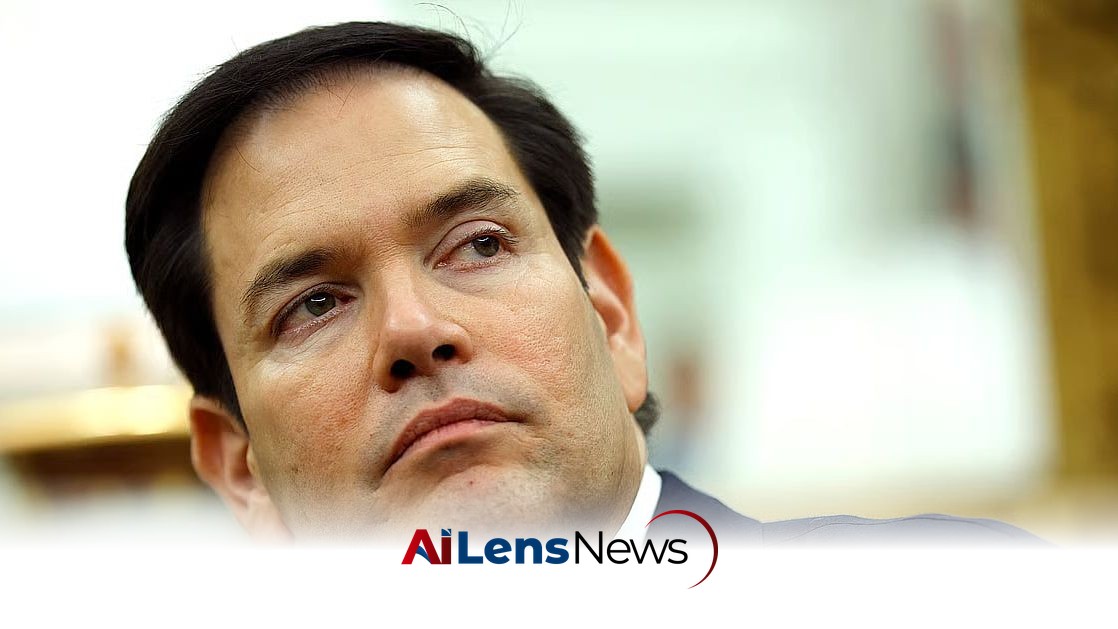


During discussions in Manila, US Secretary of State Marco Rubio emphasized the importance of concluding the Russia-Ukraine conflict while engaging with Russian Foreign Minister Sergey Lavrov.
New Delhi, India Jul 24, 2026 ALN: Manila [Philippines]: US Secretary of State Marco Rubio on Thursday stated that he discussed "the need to end the Russia-Ukraine war" during talks with Russian Foreign Minister Sergey Lavrov on the sidelines of the ASEAN Ministerial in Manila.
In a post on X following the meeting, Rubio mentioned that he also addressed US-Russia relations during their discussions.
"Met today with Russian Foreign Minister Sergey Lavrov on the sidelines of the ASEAN Ministerial. We discussed the U.S.-Russia relationship and the need to end the Russia-Ukraine war," Rubio stated in his post.
The Ministry of Foreign Affairs of Russia also confirmed the meeting between the two leaders in a post on X.
"Russia's Foreign Minister Sergey Lavrov and US Secretary of State hold talks on the sidelines of ASEAN ministerial events," the post read.
This meeting occurred as Washington continues to advocate for an end to the conflict in Ukraine while maintaining diplomatic channels with Moscow.
Earlier on Wednesday, while addressing reporters before the meeting, Rubio remarked that the war in Ukraine had significantly impacted broader US-Russia relations but emphasized that Washington remained open to engaging with Russia and supporting efforts aimed at resolving the conflict.
"We're going to talk about it. Obviously, the war in Ukraine, I think, has in many ways impeded the ability of Russia and the United States to find areas of agreement on other topics. That doesn't mean we won't seek to find other areas of potential cooperation," Rubio noted. He added that the United States believes ending the conflict would also be in Russia's interest.
The backdrop to these discussions is the ongoing and complex conflict in Ukraine, which began in 2014 following Russia's annexation of Crimea. This event marked a significant escalation in tensions between Russia and the West, leading to a series of sanctions imposed by the United States and the European Union against Russia. The situation further deteriorated in February 2022 when Russia launched a full-scale invasion of Ukraine, leading to widespread condemnation and a robust response from NATO allies, including increased military and financial support for Ukraine.
As the war has progressed, it has resulted in devastating humanitarian consequences, with thousands of lives lost and millions displaced. The conflict has also had far-reaching implications for global energy markets, food security, and international relations. Countries across the globe have been forced to reassess their foreign policies and alliances, as the ramifications of the war extend far beyond the borders of Ukraine.
Rubio's comments during the ASEAN meeting reflect a broader sentiment within the U.S. government regarding the necessity of diplomatic engagement with Russia, even amid ongoing hostilities. The Biden administration has maintained that while it will continue to support Ukraine, it is also important to keep lines of communication open with Moscow. This approach aims to prevent further escalation of the conflict and to explore potential avenues for peace.
The ASEAN Ministerial, a key platform for dialogue among Southeast Asian nations and their partners, provides an opportunity for high-level discussions on pressing global issues, including security and stability in the Indo-Pacific region. The presence of both Rubio and Lavrov at the event underscores the geopolitical significance of the Russia-Ukraine conflict, as it influences not only European security but also the strategic landscape in Asia.
In the context of these discussions, the U.S. has been vocal about its commitment to international norms and the sovereignty of nations. Rubio's assertion that ending the war would also be in Russia's interest highlights a potential shift in narrative, suggesting that a resolution could pave the way for improved relations and economic stability for Russia, which has faced severe economic repercussions due to sanctions and the ongoing conflict.
Furthermore, the dialogue between Rubio and Lavrov could be seen as an attempt to lay the groundwork for future negotiations. Both leaders acknowledged the significant barriers that the war poses to U.S.-Russia relations, yet they also recognized the importance of finding common ground on other issues, such as arms control, counterterrorism, and climate change. These topics have historically been areas where the two nations have found some measure of cooperation.
The implications of Rubio's meeting with Lavrov extend beyond the immediate context of the Russia-Ukraine conflict. They signal a potential recalibration of U.S. foreign policy, where engagement with adversaries is viewed as essential for addressing global challenges. As the world grapples with multiple crises, including climate change, public health, and economic instability, the ability to communicate and negotiate with rival nations becomes increasingly critical.
Looking ahead, the international community will be watching closely to see if this dialogue leads to tangible results. The path to peace in Ukraine remains fraught with challenges, and any potential negotiations will require concessions from both sides. However, the willingness of U.S. officials like Rubio to engage in discussions with Russian counterparts may represent a crucial step toward de-escalation and a long-term resolution to the conflict.
In conclusion, Marco Rubio's advocacy for ending the Russia-Ukraine war during his talks with Sergey Lavrov illustrates the complexities of international diplomacy in a time of conflict. While the road to peace may be long and uncertain, the importance of dialogue cannot be overstated. As the situation in Ukraine continues to evolve, the actions and decisions made by global leaders will play a pivotal role in shaping the future of not only Ukraine but also the broader international order.
The ongoing war has not only affected the immediate region but has also influenced global economic trends. For instance, energy prices have fluctuated significantly due to sanctions on Russian oil and gas, prompting countries to seek alternative energy sources. This shift has led to increased investments in renewable energy, as nations aim to reduce their dependence on fossil fuels from volatile regions. The discourse around the war has also heightened discussions about food security, as Ukraine is a major exporter of grains, and the disruption of its agricultural output has led to rising food prices worldwide.
Moreover, the conflict has redefined military alliances and defense strategies across Europe and beyond. NATO has seen a resurgence in unity among its member states, with increased military spending and a commitment to collective defense. The war has led to a reevaluation of national security policies, with many countries recognizing the need to bolster their defenses against potential aggression.
As diplomatic efforts continue, the role of multilateral organizations such as the United Nations will be crucial in facilitating dialogue and promoting peace. The international community's response to the conflict will likely shape the future of global governance and the effectiveness of multilateral institutions in addressing crises.
Ultimately, the outcome of the Russia-Ukraine war will have lasting implications for international relations, global security, and economic stability. The discussions between Rubio and Lavrov at the ASEAN Ministerial represent a critical juncture in this ongoing saga, highlighting the need for sustained diplomatic engagement and a commitment to finding a peaceful resolution to one of the most pressing conflicts of our time.
To learn more about the latest developments in Elections, stay updated with our exclusive reports and analyses on AiLensNews.

